draft
Temples and Shrines / 寺社
The temples and shrines of Sagishima as institutions: their founding histories, deities, buildings, and lineages. The festivals and rites that take place at them, the Archery Rite, the Jizo Festival, the Autumn Grand Festival, and the rest, are on Obon and Annual Ceremonies. The temple Anrakuji has its own page, Anrakuji.
佐木島の寺社を、制度としてのその沿革・祭神・社殿・系譜の面から扱う。そこで営まれる祭りや神事(御弓神事、地蔵祭、秋例大祭など)はお盆と年中行事にある。寺院・安楽寺には専用ページ安楽寺がある。
Source note: Drawn from さぎしま讃歌 and 双鷺洲. Japanese is authoritative for all names and dates. Many priest, donor, and place readings are TENTATIVE and several origin accounts are classical-Japanese-derived; all are flagged for native or historian review before formal use.
出典について:『さぎしま讃歌』『双鷺洲』による。名称・年代は日本語を正とする。社僧・寄進者・地名の読みの多くは暫定(TENTATIVE)であり、いくつかの起源説は古文由来である。正式使用の前に母語話者・歴史家の確認を要する点を本文中に明示する。
Temples / 寺院
- Anrakuji (安楽寺). The island's principal temple, with a continuous head-priest chronology and a list of stone monuments; its sanmon (mountain gate) was relocated in 1877 from Mihara Castle (see Anrakuji and Civic Buildings). 安楽寺。 島の中心的な寺院で、歴代住職の系譜と石造物の一覧を持つ。その山門は1877年に三原城から移築された(安楽寺、公共・施設建築を参照)。
- Other temples named in the island records include Jōdoji (浄土寺), Daizenji (大善寺), Shōhōji (正法寺), Sōkōji (宗光寺), and Jingūji (神宮寺); several appear together in the 1823 rain-prayer account (双鷺洲 p.82-83). A temple Jizōin (地蔵院) is recorded from Tenryaku 3 (949), revived in the Daiei era (see Premodern Sagishima). 島の記録に現れる他の寺院には浄土寺、大善寺、正法寺、宗光寺、神宮寺があり、いくつかは1823年の雨乞いの記事にまとめて現れる(双鷺洲 p.82-83)。地蔵院は天暦3年(949年)に記録され、大永年間に再興されたとされる(古代・中世の佐木島を参照)。
Hachiman Shrine / 八幡神社
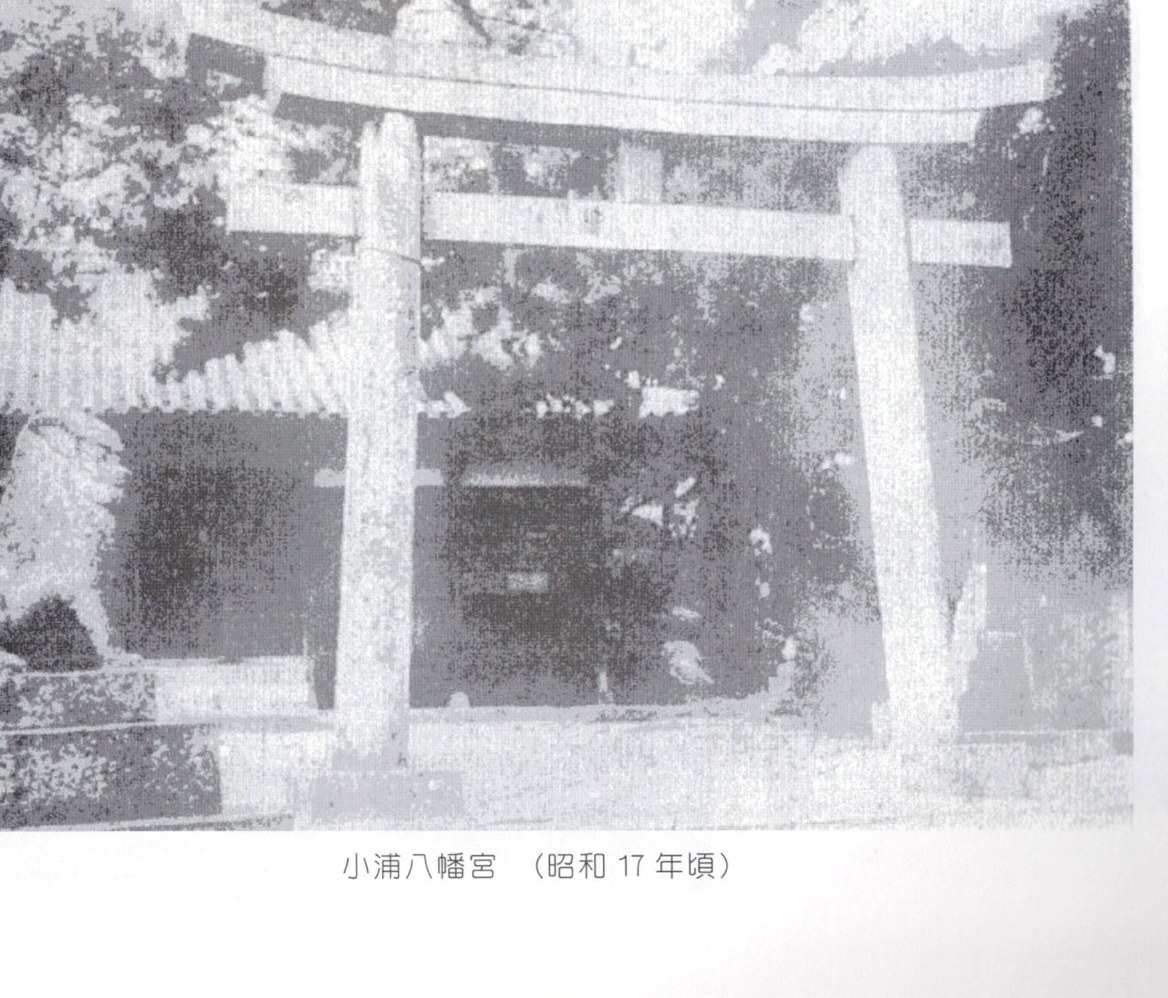
Hachiman Shrine (八幡神社) at Mukōda anchors much of the island's ritual life. As of 2015 its annual festival (reisai) was held on October 5 (formerly the 16th of the 9th lunar month); its festival calendar is detailed on Obon and Annual Ceremonies (双鷺洲 p.138-139).
向田の八幡神社は、2015年時点で島の祭祀の多くを支えていた。例祭は十月五日(旧来は旧暦九月十六日)に行われていた。その祭事暦はお盆と年中行事に詳しい(双鷺洲 p.138-139)。
Origin and traditions / 起源と伝承
According to legend, the shrine arose when a fleet sent by imperial command to suppress pirates of the southern seas reached the waters near Tomonotsu (鞆津) in Bingo Province (備後国), suffered an outbreak of disease aboard, put in at the anchorage of Sagi (鷺の泊, reading TENTATIVE) to rest, and there enshrined the ancestral spirit-tablet of Hiroie (広家, TENTATIVE) together with the Amida triad (阿弥陀三尊) to pray for victory (双鷺洲 p.163, classical-JA-derived, needs historian review).
伝承によれば、当社は、南海の海賊を討つよう勅命を受けた船団が備後国鞆津付近に至り、船中で疫病が発生したため、鷺の泊(読み未確定)に軍船を寄せて休み、そこで広家(未確定)の御霊と阿弥陀三尊を祀って戦勝を祈ったことに起こるという(双鷺洲 p.163、古文由来のため歴史家の確認を要する)。
A tradition holds that at the root of an old pine directly behind the main hall stands a strange stone pillar about 1.5 m high; people feared that touching it would cause a strange illness, so none approached. It is said to hold the relics of the founder, Murakami Yoichibei (村上与市兵衛, TENTATIVE) (双鷺洲 p.155). Arrow-bamboo (yadake, 矢竹) grows in the grounds; by one tradition it was planted by ancestors of the Doi family (土居家) so the shrine could serve as a fort in time of need, since such bamboo is normally planted rather than wild (双鷺洲 p.183).
伝承によれば、本殿のすぐ裏手の老松の根もとに高さ約1.5mの奇妙な石柱が立ち、触れると奇病にかかると恐れられ、誰も近づかなかったという。これは開祖・村上与市兵衛(未確定)の遺骨を納めるものと伝えられる(双鷺洲 p.155)。境内には矢竹が生えており、一説には、有事に当社を砦とするため土居家の祖先が植えたものとされる。矢竹は通常自生せず植栽されるものだからである(双鷺洲 p.183)。
Building and dedication chronology / 造営・奉納の年表
Donor names are largely TENTATIVE and must be cross-checked against any existing building or family page before a donor name is treated as settled.
寄進者名の多くは暫定(TENTATIVE)であり、寄進者名を確定として扱う前に、既存の建物・家系ページと突き合わせること。
- 1811 (Bunka 8): a stone torii was donated to the grain-deity sub-shrine (穀神社, Koku-jinja); later rebuilt after damage (双鷺洲 p.151). 1811年(文化8年): 穀神社に石鳥居が寄進された。のちに破損して再建された(双鷺洲 p.151)。
- 1914 (Taishō 3), April 12: as a commemoration of Emperor Taishō's enthronement, 140 plum trees were planted along the Mukōda Honkawa (向田本川) embankment and on the Hachiman Shrine grounds (双鷺洲 p.236). 1914年(大正3年)4月12日: 大正天皇の即位記念として、梅140本が向田本川の堤と八幡神社の境内に植えられた(双鷺洲 p.236)。
- 1923 (Taishō 12): Funatsuki Ryūtarō (船附龍太郎) and Tsuchida Kihei (土田喜平) donated a pair of stone lanterns flanking the great torii (大鳥居両脇燈籠2基) (双鷺洲 p.145). 1923年(大正12年): 船附龍太郎・土田喜平が大鳥居両脇の石灯籠2基を寄進した(双鷺洲 p.145)。
- 1930 (Shōwa 5): a memorial stele honoring Nishihara Shōzō (西原庄蔵頌德碑) was erected (双鷺洲 p.145; see Families). 1930年(昭和5年): 西原庄蔵頌德碑が建てられた(双鷺洲 p.145、島の家族を参照)。
- 1931 (Shōwa 6): a folding screen painted with plants by Japanese-style painter Yamashita Kaoru (山下薰) was dedicated; a major refurbishment (大造営) is grouped under this year (双鷺洲 p.145). 1931年(昭和6年): 日本画家・山下薰による植物画の衝立が奉納された。八幡神社の大造営もこの年にまとめられている(双鷺洲 p.145)。
- 1940 (Kōki 2600 / Shōwa 15): for the 2600th year of the imperial era, lanterns were dedicated, including upper-step-flanking lanterns donated by Nishikawa Ryōsaku (西川良作) and Nishikawa Shōzō (西川庄造) (双鷺洲 p.147, p.237; さぎしま讃歌 p.2-7). 1940年(皇紀2600年・昭和15年): 紀元2600年記念として灯籠が奉納され、上段石段両脇の灯籠は西川良作・西川庄造が寄進した(双鷺洲 p.147, p.237、さぎしま讃歌 p.2-7)。
- 1940 to 1943 (Shōwa 15 to 18): a pair of lanterns flanking the worship hall was donated and the shrine building was re-roofed (双鷺洲 p.145). 1940年から1943年(昭和15年から18年): 拝殿両脇の灯籠2基が寄進され、社殿が葺き替えられた(双鷺洲 p.145)。
- 1955 (Shōwa 30): the main-approach great torii was donated by the Iwata (Yoshito) family brothers (岩田(芳人)家), and the lower stone steps of the main approach were donated (双鷺洲 p.145-147). 1955年(昭和30年): 本参道大鳥居が岩田(芳人)家の兄弟により寄進され、本参道下段の石段も寄進された(双鷺洲 p.145-147)。
- 1993 (Heisei 5): the shrine banner was newly made (双鷺洲 p.149). 1997 (Heisei 9): a major repair of the shrine was carried out (双鷺洲 p.149). 2008 (Heisei 20): a worship-hall approach torii and a pair of komainu were donated, with a recorded roster of parish representatives (all readings TENTATIVE) (双鷺洲 p.151). 1993年(平成5年): 神社幟が新調された(双鷺洲 p.149)。1997年(平成9年): 神社大改修が行われた(双鷺洲 p.149)。2008年(平成20年): 拝殿参道の鳥居と狛犬一対が寄進され、氏子総代の名簿が記録される(いずれも読みは暫定)(双鷺洲 p.151)。
Other shrines / その他の神社
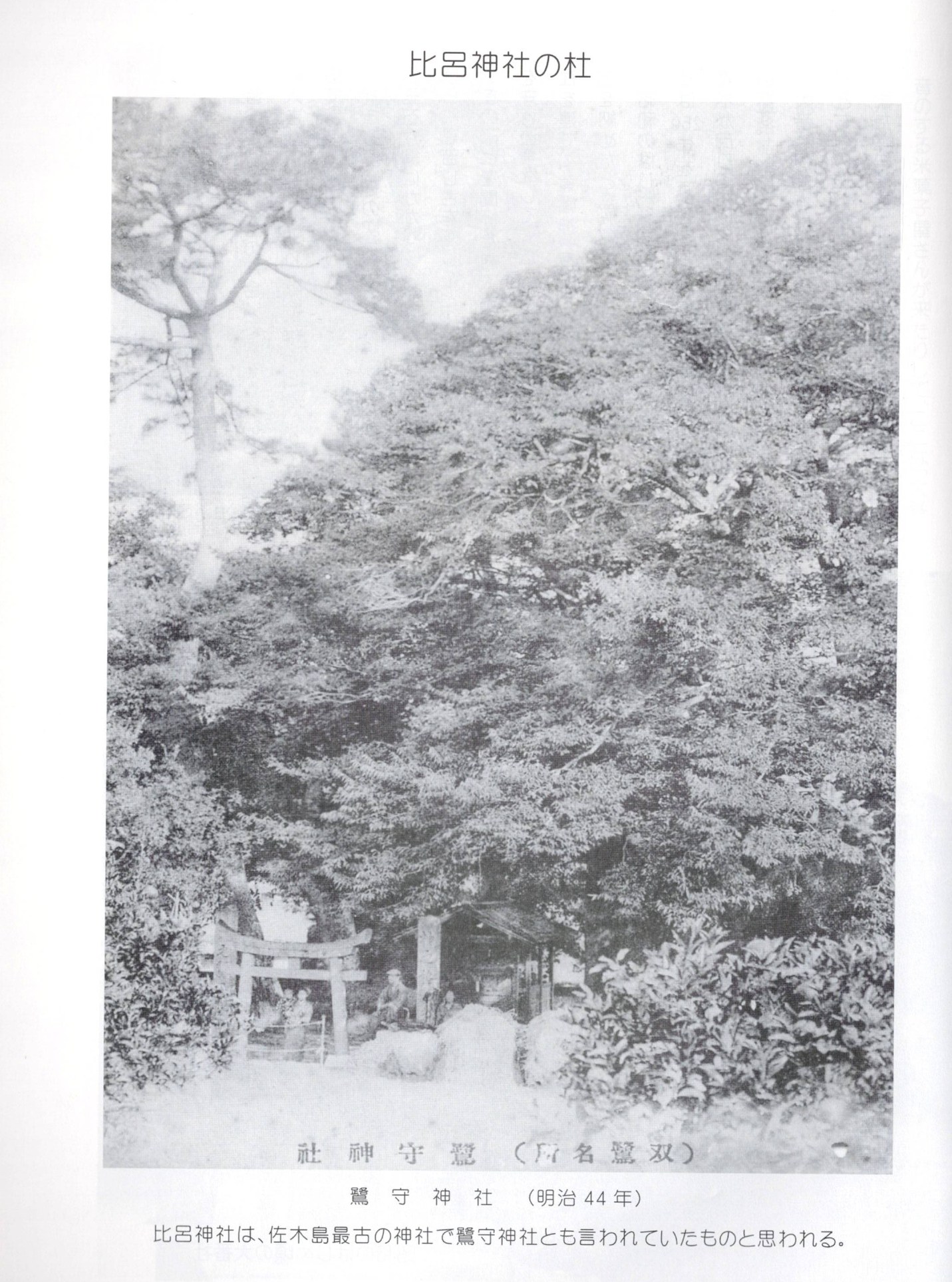
- Sagimori Shrine (鷺守神社, Sagimori Jinja) is described as the oldest shrine on Sagishima; it appears in a Meiji 44 (1911) postcard (さぎしま讃歌 p.131). (Compare the Hiro Shrine (比呂神社), also recorded among the island's oldest; see Geography and Premodern Sagishima.) 鷺守神社は佐木島で最も古い神社とされ、明治44年(1911年)の絵葉書に写っている(さぎしま讃歌 p.131)。(島で最も古い社の一つとされる比呂神社と比較のこと。地理、古代・中世の佐木島を参照。)
- Kōjinja / Kōjin Shrine (幸神社 / 荒神社). On the sea boundary between Mukōda (向田) and Suwa (須波) / Sagi (佐木) stands a land-deity shrine called Kōjinja (幸神社) enshrining Sarutahiko-no-mikoto (猿田彦命), functioning as a boundary deity (Saenokami, 塞の神) (双鷺洲 p.99). A Kōjin Shrine is recorded with the deity Susanoo-no-mikoto (須佐之男命), its annual festival in mid-October (former festival day September 28) (双鷺洲 p.165). [To confirm: whether 幸神社 and 荒神社 are one shrine or two distinct shrines.] 幸神社/荒神社。 向田と須波・佐木の海境には、猿田彦命を祀り、境の神(塞の神)として機能する地神の社「幸神社」がある(双鷺洲 p.99)。荒神社は祭神を須佐之男命とし、年祭は十月中旬(旧来は九月二十八日)に行われると記録される(双鷺洲 p.165)。〔要確認:幸神社と荒神社が一社か別々の二社か。〕
- Shrines named in the sources (place-naming records). Takenouchi no Sukune (武内宿祢), formerly at the Sukune Shrine (宿祢社) on Sukune Island (宿祢島, reading TENTATIVE), amalgamated into the Komeura shrine in Meiji 7 (1874); out-of-precinct subordinate shrines (境外社) including Hiro Shrine (比呂神社), an Earth/Ji shrine (地神社), and a Kōjin shrine on Kosagishima (小佐木島荒神社); and the companion-hall Ōtani Shrine (大谷神社), enshrining Amaterasu-ōmikami, Susanoo no Mikoto, and Sarutahiko no Mikoto (双鷺洲 p.155, p.157). 史料に地名とともに見える社。 武内宿祢(旧・宿祢島の宿祢社、明治7年に米浦の社へ合祀、読み暫定)、境外社の比呂神社・地神社・小佐木島荒神社、相殿の大谷神社(天照大神・須佐之男命・猿田彦命を祀る)(双鷺洲 p.155, p.157)。
- The Ebisu (恵比須) and Ōban-sha (大番社 / 大谷社, origin legend with a round stone and the Kōhata-gami deity) shrines of Sunoue are treated on Sunoue. 須ノ上の恵比須社と、丸い石と皇旗神の起源伝承を持つ大番社については須ノ上で扱う。
Ancestral-spirit enshrinement / 祖霊の合祀
At the soreisha (祖霊社, ancestral-spirit shrine) are enshrined at the center Mononobe-no-Ame-no-Hiwashi-no-Mikoto (物部天日鷲命) and Takenouchi-no-Sukune-no-Mikoto (武内宿弥命); as of 2015, on October 11 each year the ancestors of parishioners, the war dead, and those who died during the year were enshrined together (合祀) (双鷺洲 p.105). A related entry records the annual enshrinement on October 1 and names six ancestral lines (六祖), including Doi (土居御祖), Sorano/Karano (空野御祖, TENTATIVE), and Yamamoto (山本御祖) (双鷺洲 p.145). [To confirm: the two dates, October 11 and October 1.]
祖霊社では、中央に物部天日鷲命と武内宿弥命を祀り、2015年時点では、毎年十月十一日に氏子の祖先・戦没者・その年の物故者を合祀していた(双鷺洲 p.105)。関連する記述では、毎年の合祀を十月一日とし、土居御祖・空野御祖(読み未確定)・山本御祖を含む六祖を祀るとされる(双鷺洲 p.145)。〔要確認:十月十一日と十月一日の二つの日付。〕
With the Meiji Restoration, Shinto-style funerals (神葬祭, shinsōsai) were permitted, and Mukōda adopted them mainly; the first was officiated by Sawada Tatehiko (澤田楯彦, TENTATIVE), a Shinto priest from Setoda (瀬戸田), and thereafter by the Hachiman Shrine priest (双鷺洲 p.143).
明治維新により神式の葬儀(神葬祭)が認められ、向田は主にこれを採用した。最初の神葬祭は瀬戸田の神官・澤田楯彦(未確定)が斎主を務め、その後は八幡神社の社掌が執り行った(双鷺洲 p.143)。
Warei-ishi Jizō / 和霊石地蔵
The Warei-ishi Jizō (和霊石地蔵, reading TENTATIVE) is a full stone Jizō Buddha carved in deep relief in the full-lotus position (結跏趺座) into a huge boulder, regarded as unique nationwide and dated to 1300 (Shōan 2) (さぎしま讃歌 p.96). It was designated a prefectural Important Cultural Property in 1975 (双鷺洲 p.181). Its July Jizo Festival, its stewardship history, and the related monuments are on Obon and Annual Ceremonies.
和霊石地蔵(読み未確定)は、巨岩に結跏趺座の姿で深く浮き彫りされた本格的な石地蔵で、全国でも類を見ないとされ、1300年(正安2年)のものとされる(さぎしま讃歌 p.96)。1975年に県の重要文化財に指定された(双鷺洲 p.181)。七月の地蔵祭、その担い手の歴史、関連する碑についてはお盆と年中行事にある。
Related / 関連
- Obon and Annual Ceremonies (the festival calendar and rites) · Anrakuji · Civic Buildings (the relocated Anrakuji sanmon) · Geography · Premodern Sagishima お盆と年中行事・安楽寺・公共・施設建築・地理・古代・中世の佐木島
Sources / 出典
- Primary: さぎしま讃歌 pp.96, 131, 2-7 (Warei-ishi Jizō; Sagimori Shrine; commemorative lanterns). 双鷺洲 pp.82-83, 99, 105, 138-139, 143, 145-151, 155-165, 181, 183, 236-237 (rain-prayer temples; shrine origin, deities, building chronology, ancestral enshrinement, Shinto funerals). Both are local-history compilations; cite the deeper primary each names once traced. See bibliography. 一次資料: さぎしま讃歌 96・131・2-7頁。双鷺洲 82-83・99・105・138-139・143・145-151・155-165・181・183・236-237頁。いずれも郷土史編纂物であり、各書が名指す一次資料が辿れ次第そちらを併記すること。参考文献を参照。