draft
School Lineage (1875–) / 学校の系譜(1875〜)
Overview / 概要
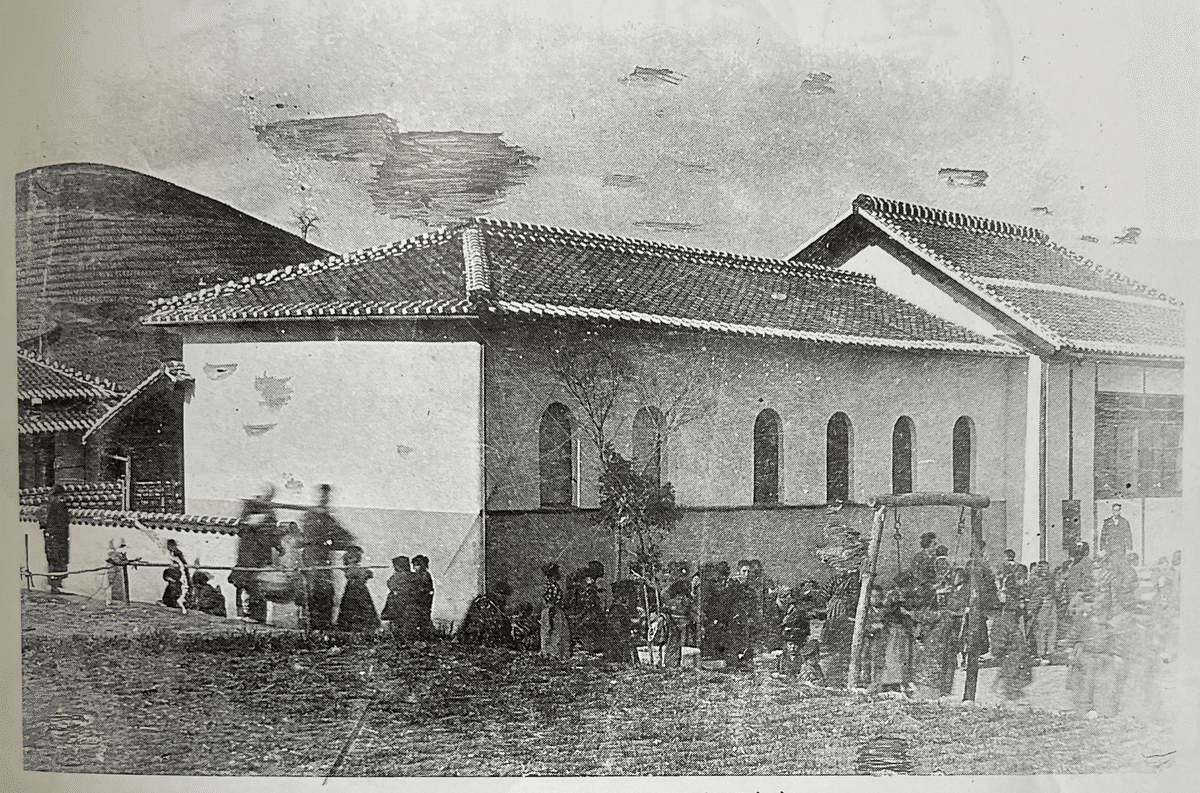
In 1875 a school was founded on Sagishima under the name Kaku-Mei-Sha (格明舎). It operated for 120 years, closing in 1995. The name carries forward into the current Kakumeisha not as the same building, but as the inherited educational lineage of the place. To call the current schoolhouse Kakumeisha is to claim that lineage explicitly.
1875年、佐木島に格明舎という名の学校が創設された。120年間にわたって続き、1995年に閉じた。この名は、同じ建物としてではなく、その土地の受け継がれた教育の系譜として、現在の格明舎へと引き継がれている。現在の校舎を格明舎と呼ぶことは、その系譜を明示的に引き受けることを意味する。
What we know / わかっていること
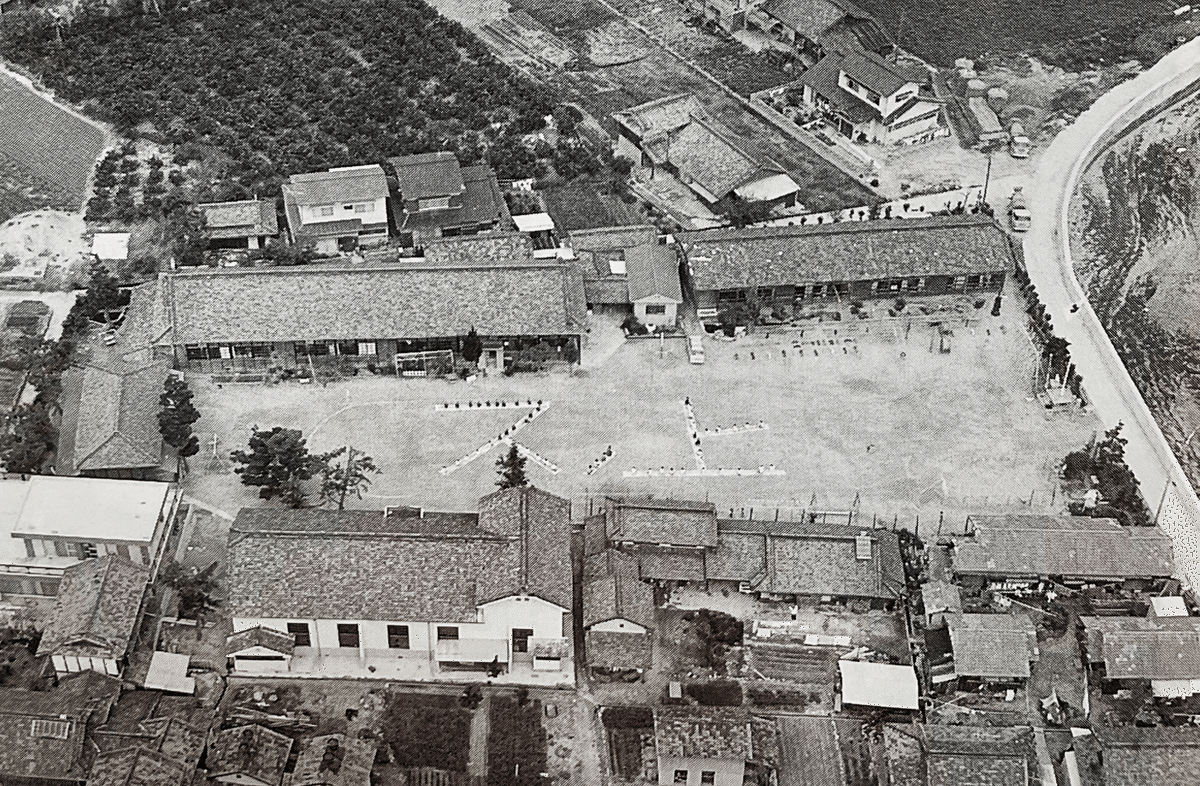
- The original Kaku-Mei-Sha is distinct from the present building (a 1949 clinic). What is inherited is the name and the tradition, not the structure. 初代の格明舎は、現在の建物(1949年の診療所)とは別のものである。受け継がれているのは名と伝統であって、建物そのものではない。
- The name reads, character by character, 格 (essence) + 明 (to clarify) + 舎 (a building, a shelter), glossed by the Foundation as "exploring the essence of things." この名は一字ずつ読むと、格(物事の本質)+明(明らかにする)+舎(建物、住まい)となり、財団はこれを「物事の本質を探究する」と説明している。
- For a time before its 2024 naming, the current schoolhouse was informally called Terakoya (寺子屋), the Edo-period term for community schoolhouses. 2024年に命名される前のしばらくの間、現在の校舎は非公式に寺子屋と呼ばれていた。江戸時代における地域の学び舎を指す言葉である。
Related / 関連
- Kakumeisha (the building that now carries the name) · Premodern Sagishima
The island's schools / 島の学校
Sagishima's modern school history runs from the 1870s family schools and temple academies through three district elementary schools, a junior high, and a high-school branch, consolidating into a single Sagiura kindergarten and elementary school in 1995 and finally merging the junior high off-island in 2008. The name Kakumeisha (格明舎) in particular belongs to the founding of what became Sunoue Elementary School (須ノ上小学校).
佐木島の近代の学校史は、1870年代の家塾と寺子屋に始まり、三つの地区の小学校、中学校、高等学校分校を経て、1995年に一つの鷺浦幼稚園・小学校へと統合され、2008年には中学校が島外へ統合された。とりわけ格明舎の名は、後の須ノ上小学校となる学校の創設に属する。
Origins: family schools and temple academies / 起源:家塾と寺子屋
- In 1871 (Meiji 4) Yamashita Seihachirō (山下精八郎) opened a family school (家塾) and taught the children of Sunoue (須ノ上). (双鷺洲 p.195, 沿革) 1871年(明治4年)、山下精八郎が家塾を開き、須ノ上の子どもたちを教えた。(双鷺洲 p.195 沿革)
- At Anrakuji (安楽寺), the 8th head priest Ryōō Yūchō (良応宥澄, reading TENTATIVE; a disciple of Rai San'yō / 頼山陽) opened a terakoya (寺子屋) and contributed to the island's culture and education. The 9th head priest, Eiō Ningai (恵応忍鎧, reading TENTATIVE), carried the academy forward and became the first head (初代舎長) of Kaiseisha (開成舎), the predecessor of Sagi Elementary School (鷺小学校). (双鷺洲 p.131-132, p.207) 安楽寺では、第8世住職の良応宥澄(読みは要確認。頼山陽の門人)が寺子屋を開き、島の文化と教育に寄与した。第9世住職の恵応忍鎧(読みは要確認)はこれを引き継ぎ、鷺小学校の前身である開成舎の初代舎長となった。(双鷺洲 p.131-132、p.207)
- Kaiseisha (開成舎) was founded as a teaching place at Anrakuji in 1876 (Meiji 9), having grown out of the temple terakoya. (双鷺洲 p.203, p.207) 開成舎は寺子屋から発展し、1876年(明治9年)に安楽寺に教場として開かれた。(双鷺洲 p.203、p.207)
NATIVE/HISTORIAN REVIEW: priest names 良応宥澄 and 恵応忍鎧 (the latter also written 恵応忍鏡) are OCR-affected and reading-uncertain; the source's 鷺小学校 also appears as a 鯊 OCR artifact (鷺 = Sagi is correct).
Kakumeisha (1875) and Sunoue Elementary / 格明舎(1875年)と須ノ上小学校
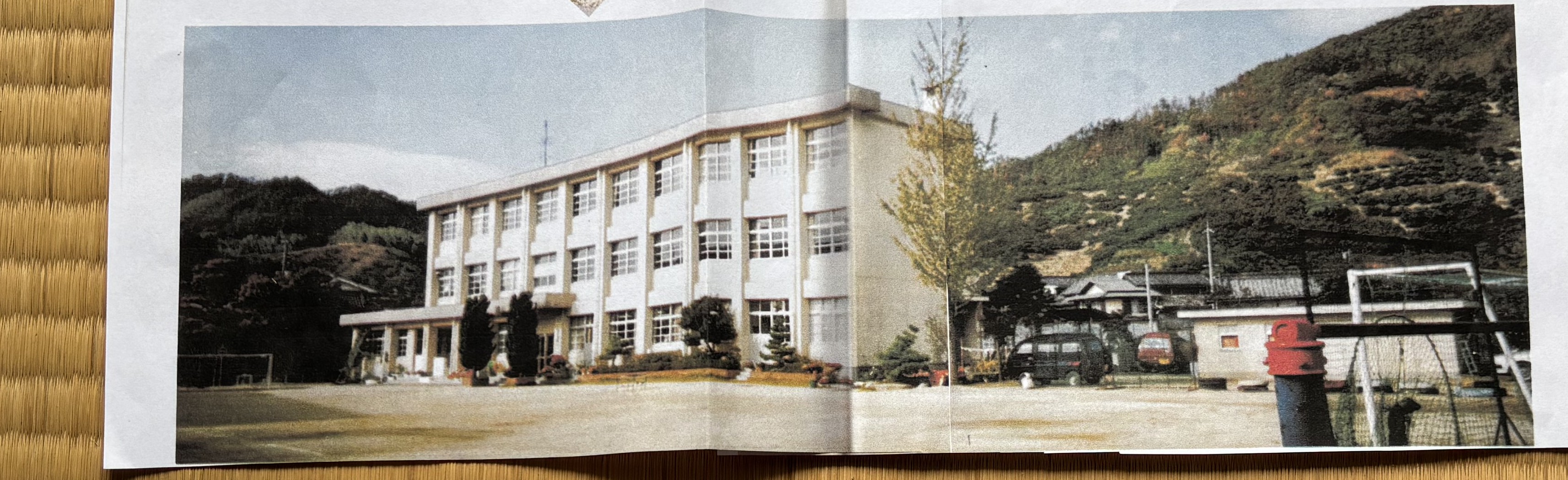
Flag: identified by the resident as Sunoue Elementary in its final year; the booklet is titled 学園風景 and shows a sizable modern school. Confirm whether this is Sunoue Elementary or the consolidated Sagiura Junior High before formal use. 注:住民は須ノ上小学校の最終年と説明したが、冊子の題は「学園風景」で、写るのは大きな近代的校舎である。須ノ上小学校か、統合後の鷺浦中学校かは、正式な使用の前に確認すること。
- Mihara Municipal Sunoue Elementary School (三原市立須ノ上小学校) traces its origin to the Kakumeisha (格明舎) academy founded in 1875 (Meiji 8). Its first head (初代舎長) was a person surnamed Noda (野田), and the original school building was a converted thatched-roof private house. (双鷺洲 p.193) 三原市立須ノ上小学校は、1875年(明治8年)に創設された格明舎にその起源をたどる。初代舎長は野田姓の人物で、最初の校舎は草葺の民家を転用したものであった。(双鷺洲 p.193)
- In 1875 (Meiji 8) an old private house was purchased and rebuilt to create the Sunoue Kakumeisha (須ノ上格明舎): a single thatched-roof school building measuring 3 ken by 6 ken, plus a tiled-roof teacher's residence measuring 2.5 ken by 3 ken. (双鷺洲 p.195, 沿革) 1875年(明治8年)、古民家を購入・改築して須ノ上格明舎が設けられた。草葺の校舎一棟(三間×六間)と、瓦葺の教員住宅(二間半×三間)が建てられた。(双鷺洲 p.195 沿革)
- It was renamed Sunoue School (須ノ上学校) in 1879 (Meiji 12) with a three-year course, then passed through Sunoue Elementary, Sunoue Ordinary Elementary (尋常小学校), Sunoue Simplified Elementary (簡易小学校), and Sunoue National School (国民学校), becoming Sunoue Elementary School from April 1947 (Shōwa 22). (双鷺洲 p.193, p.195) 1879年(明治12年)に修業年限3年の須ノ上学校と改称され、その後、須ノ上小学校、須ノ上尋常小学校、須ノ上簡易小学校、須ノ上国民学校を経て、1947年(昭和22年)4月から須ノ上小学校となった。(双鷺洲 p.193、p.195)
CONFLICT, HELD for reconciliation: The existing page states the 1875 school was founded "on Sagishima under the name Kaku-Mei-Sha," frames it as the island's single 1875 lineage, and says "the original Kaku-Mei-Sha is distinct from the present building (a 1949 clinic)." The primary sources instead tie Kakumeisha specifically to the lineage of Sunoue Elementary School (须ノ上), describe its building as a converted thatched-roof private house (3 ken x 6 ken) used until a new middle school building was raised in 1913 (Taishō 2) and thereafter as an etiquette/sewing room, music room and library, then kindergarten classroom (双鷺洲 p.197), and place its first head as a person surnamed Noda. None of these primary sources mention a 1949 clinic conversion. Do NOT overwrite the existing "1949 clinic" claim or the island-wide framing; flag for the editor to reconcile the note.com account (n94cc32ff41cd) against 双鷺洲 p.193-197.
Three district elementary schools / 三つの地区の小学校
- The island had three elementary schools: Sagi (鷺), Mukōda (向田), and Sunoue (須ノ上), plus Sagiura Junior High School (鷺浦中学校). They formed a combined body, the Shōchū Rengō (小中連合), running annual swimming meets, ekiden relay races (駅伝大会), and sketch contests at rotating venues. (さぎしま讃歌 p.162) 島には鷺、向田、須ノ上の三つの小学校と、鷺浦中学校があった。これらは小中連合を構成し、水泳大会、駅伝大会、写生大会などを会場を持ち回りで毎年開催した。(さぎしま讃歌 p.162)
- The island swimming meet was held at Mukōda's Shikada coast (志加田海岸, name TENTATIVE), where a temporary pool was made by floating farm boats (農舟); it drew many spectators and continued until around 1957 (Shōwa 32). (さぎしま讃歌 p.162-163) 島の水泳大会は向田の志加田海岸(地名は要確認)で開かれ、農舟を浮かべて仮設のプールがつくられた。多くの見物人を集め、1957年(昭和32年)頃まで続いた。(さぎしま讃歌 p.162-163)
- Kosagishima (小佐木島) had no school because of its small population, so its school-age children commuted across to Sagishima (the Sagi / 佐木 shore) for schooling. (さぎしま讃歌 p.170; 双鷺洲 p.124) 小佐木島は人口が少なく学校がなかったため、学齢の子どもたちは佐木島(佐木の岸)へ通学した。(さぎしま讃歌 p.170、双鷺洲 p.124)
Sagi Elementary School (鷺小学校) / 鷺小学校
- Grown from the Anrakuji terakoya and Kaiseisha (開成舎). In 1908 (Meiji 41) the ordinary course (尋常科) was extended to a fifth year and a handicrafts course (手工科) was added; in 1909 (Meiji 42) a vocational continuation school (実業補習学校) was attached. (双鷺洲 p.204) 安楽寺の寺子屋・開成舎から発展した。1908年(明治41年)に尋常科が5年に延長され手工科が加えられ、1909年(明治42年)には実業補習学校が附設された。(双鷺洲 p.204)
- The north and south schoolhouses (北校舎・南校舎) were built in 1911 (Meiji 44) on the former site of the village headman (庄屋) Nishihara (西原) residence; a storehouse, toilet building, teacher's residence, and stone gate pillars were added. (Source mis-prints the Western year as 1908; Meiji 44 = 1911.) (さぎしま讃歌 p.131; 双鷺洲 p.204, p.207-208) 北校舎・南校舎は1911年(明治44年)、庄屋西原邸の跡地に建てられ、倉庫、便所棟、教員住宅、北門の石柱が加えられた。(出典は西暦を1908年と誤記。明治44年=1911年)(さぎしま讃歌 p.131、双鷺洲 p.204、p.207-208)
- In 1917 (Taishō 6) a classroom was added to the south schoolhouse (5 classes); in 1920 (Taishō 9) the south schoolhouse was reoriented to expand the athletic ground (運動場); in 1930 (Shōwa 5) a two-story wooden schoolhouse was built and a Himalayan cedar (ヒマラヤシーダー) planted. (双鷺洲 p.204, p.206, p.208) 1917年(大正6年)に南校舎へ一教室増築(5学級)、1920年(大正9年)に運動場拡張のため南校舎の向きを変更、1930年(昭和5年)に木造二階建校舎を建てヒマラヤシーダーを植えた。(双鷺洲 p.204、p.206、p.208)
- In 1940 (Shōwa 15) a cowshed, compost shed, farm-tool room, and firearms storehouse (銃器庫) were built and a siren installed on the central schoolhouse roof. (双鷺洲 p.205) 1940年(昭和15年)、牛舎・堆肥舎・農具室・銃器庫が建てられ、中校舎の屋根にサイレンが設置された。(双鷺洲 p.205)
- Renamed Sagi National School (鷺国民学校) in 1941 (Shōwa 16); reverted to Sagi Elementary School (鷺小学校) in 1947 (Shōwa 22), with higher-elementary children moving to the new-system junior high. Became Mihara Municipal Sagi Elementary School (三原市立鷺小学校) in 1956 (Shōwa 31). (双鷺洲 p.202, p.205) 1941年(昭和16年)に鷺国民学校と改称、1947年(昭和22年)に鷺小学校へ戻り、高等科児童は新制中学校へ移った。1956年(昭和31年)に三原市立鷺小学校となった。(双鷺洲 p.202、p.205)
- A reinforced-concrete two-story schoolhouse was completed in 1967 (Shōwa 42) alongside the school's 90th-anniversary ceremony and the launching of the Kosagishima commuter boat (小佐木通学船). In 1968 (Shōwa 43), for the Meiji centennial (明治百年記念), a Ninomiya Kinjirō statue with garden stones was installed. School lunch (学校給食) began 12 April 1973 (Shōwa 48). (双鷺洲 p.205, p.208) 1967年(昭和42年)に鉄筋二階建校舎が完成し、創立90周年記念式典と小佐木通学船の進水式が行われた。1968年(昭和43年)には明治百年記念として二宮金次郎像が庭石とともに設置された。学校給食は1973年(昭和48年)4月12日に始まった。(双鷺洲 p.205、p.208)
CONFLICT/REVIEW NOTE on founding year: Sagi Elementary's 90th-anniversary ceremony in 1967 (Shōwa 42) implies a founding c.1877, consistent with the Kaiseisha origin (1876, Meiji 9). This differs from the 1875 (Kakumeisha / Sunoue) date the page title is built around. The two lineages have different founding years; flag for the editor.
Mukōda Elementary School (向田小学校) / 向田小学校
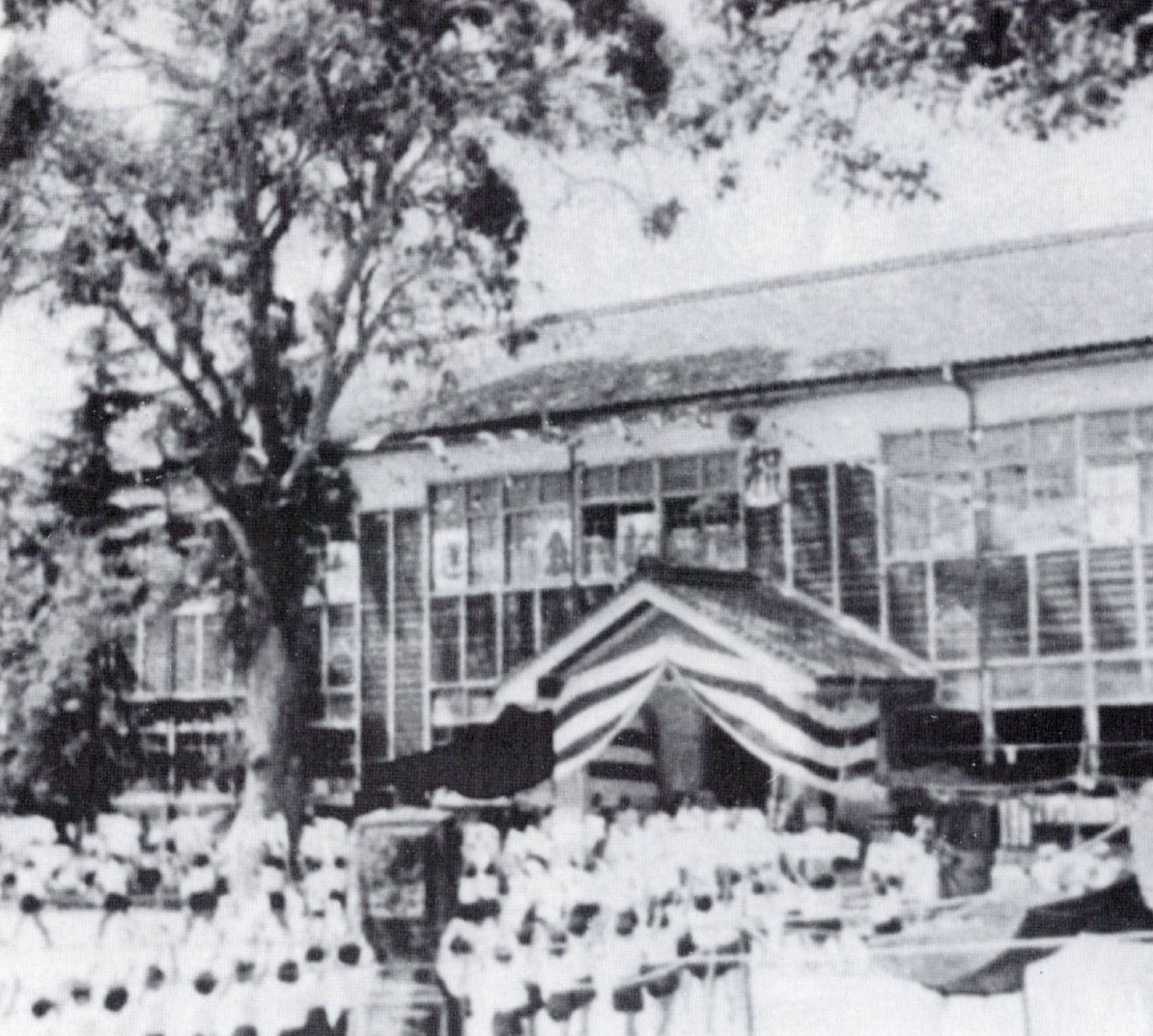
- Mukōda Jinjō Elementary School (向田尋常小学校) appears in a 1911 (Meiji 44) postcard. The school building was newly built/expanded at its present location in 1911 (Meiji 44) during the term of the third village mayor Nishihara Hachirō (西原八郎), together with two teacher-residence buildings (total cost 6,500 yen). (さぎしま讃歌 p.131; 双鷺洲 p.187) 向田尋常小学校は1911年(明治44年)の絵葉書に写る。校舎は1911年(明治44年)、第三代村長西原八郎の代に現在地へ新築・拡張され、教員住宅2棟もあわせて建てられた(総工費6,500円)。(さぎしま讃歌 p.131、双鷺洲 p.187)
- A large eucalyptus (ユーカリ) stood to the left of the entrance; it had grown in the garden of the shōya (village headman) Nishihara residence (庄屋西原邸) that occupied the site before the 1911 school, and became the school's symbol. (さぎしま讃歌 p.144; 双鷺洲 p.189) 入口の左には大きなユーカリがあった。1911年の校舎が建つ前にこの地にあった庄屋西原邸の庭に育っていたもので、学校の象徴となった。(さぎしま讃歌 p.144、双鷺洲 p.189)
- In 1931 (Shōwa 6) Nishikawa Shōzō (西川庄造) donated a bronze statue of Ninomiya Kinjirō (二宮金次郎) at the foot of the eucalyptus to mark his shorō (初老) milestone; unveiled 20 February 1931. It was relocated to the schoolyard's east side in 1936 (Shōwa 11) during a building reconstruction. The original bronze was requisitioned (供出) for weapons during the war; as of the early 2010s the statue was a stone replacement. (さぎしま讃歌 p.145) 1931年(昭和6年)、西川庄造が初老の記念にユーカリの根元へ二宮金次郎の銅像を寄贈し、2月20日に除幕された。1936年(昭和11年)の校舎改築の際、校庭東側へ移された。戦時中、銅像は兵器のため供出され、2010年代初頭の時点では石造の代替像であった。(さぎしま讃歌 p.145)
- Renamed Mukōda National School (向田国民学校) in 1941 (Shōwa 16), then Mukōda Elementary School (向田小学校) from April 1947 (Shōwa 22); became Mihara City Municipal Mukōda Elementary School (三原市立向田小学校) in 1956 (Shōwa 31) on Sagiura Village's merger into Mihara City. (双鷺洲 p.185, p.187) 1941年(昭和16年)に向田国民学校、1947年(昭和22年)4月から向田小学校と改称。鷺浦村の三原市合併に伴い1956年(昭和31年)に三原市立向田小学校となった。(双鷺洲 p.185、p.187)
- An indoor gymnasium (屋内運動場) with a round roof was completed in 1979 (Shōwa 54); the old buildings were demolished in September 1981 (Shōwa 56) and a reinforced-concrete three-story school and kindergarten building (total floor area 1,193 m2, cost 33,430,000 yen) completed in 1982 (Shōwa 57); a 25 m three-lane swimming pool followed (cost 20,855,000 yen). (双鷺洲 p.187, p.189, p.191) 1979年(昭和54年)に丸屋根の屋内運動場が完成。1981年(昭和56年)9月に旧校舎を解体し、1982年(昭和57年)に鉄筋三階建の校舎・幼稚園舎(延床1,193平方メートル、工費33,430,000円)が完成。続いて25メートル3コースのプール(工費20,855,000円)が設けられた。(双鷺洲 p.187、p.189、p.191)
- The school song was established in 1964 (Shōwa 39) for the 90th anniversary of founding (lyrics 重圍贇雄, reading TENTATIVE; music Hamamoto Masataka / 浜本正孝), referencing the shining Setouchi and Sagishima (鷺島), Mt Ōhira (大平, TENTATIVE), and Kameyama hill (亀山) with the village shrine of Mukōda. (双鷺洲 p.185, p.187) 校歌は1964年(昭和39年)、創立90周年を記念して制定された(作詞 重圍贇雄〔読み要確認〕、作曲 浜本正孝)。光る瀬戸内と鷺島、大平〔要確認〕の山、向田の村社を擁する亀山が詠まれる。(双鷺洲 p.185、p.187)
CONFLICT/REVIEW NOTE on Mukōda anniversaries and the eucalyptus: An 80th-anniversary sports day in 1954 (Shōwa 29) implies a founding c.1874-75 (consistent with the 1875 lineage), but the same source states a 30th anniversary in 1927 (Shōwa 2), implying founding c.1897. These are internally inconsistent. The eucalyptus is also dated inconsistently: the body text places its toppling by typhoon at the 1927 30th anniversary, while a photo caption gives 1954 (Shōwa 29). Flag both for the editor. (さぎしま讃歌 p.144; 双鷺洲 p.189)
Sagiura Junior High School (鷺浦中学校) / 鷺浦中学校
- Founded 1947 (Shōwa 22) as Sagiura Village Sagiura Junior High School (豊田郡鷺浦村立鷺浦中学校), starting out in the south building of Sagi Elementary School and the Youth Hall (青年会館) as temporary quarters. The first principal was Shirasu Kenzō (白須憲造, reading TENTATIVE), who served fourteen years. (双鷺洲 p.210, p.213-214) 1947年(昭和22年)、豊田郡鷺浦村立鷺浦中学校として創設され、当初は鷺小学校の南校舎と青年会館を仮校舎とした。初代校長は白須憲造(読み要確認)で、14年間在任した。(双鷺洲 p.210、p.213-214)
- Mayor Miyashita Kiyoshi (宮下清) championed the new junior high; villagers met at the Sunoue community hall (須ノ上公民館) and capped the cost at 2,000,000 yen. Sagiura was a forerunner in Toyoda County (豊田郡), where otherwise only Kawachi (河内, TENTATIVE) had built a junior high. The new building was completed in 1948 (Shōwa 23) (one classroom building and one night-duty room), with a completion ceremony on 25 October and a Villagers' Athletic Meet (村民体育大会) on 26 October. (さぎしま讃歌 p.17; 双鷺洲 p.205, p.214, p.218) 村長宮下清が新中学の建設を主導し、村民は須ノ上公民館に集まって工費を200万円に上限を定めた。鷺浦は豊田郡で先駆けであり、ほかに中学を建てたのは河内〔要確認〕のみであった。新校舎は1948年(昭和23年)に完成し(校舎1棟・宿直室1棟)、10月25日に落成式、10月26日に村民体育大会が行われた。(さぎしま讃歌 p.17、双鷺洲 p.205、p.214、p.218)
- The school song (1957, Shōwa 32) was written by principal Shirasu and revised by the prefecturally noted lyricist Shigezono (重園, reading TENTATIVE), and composed by the leading national composer Koseki Yūji (古関裕而), secured via NHK through vice-principal Kanai Masanori (金井正範, reading TENTATIVE). The school crest used three laurel leaves (月桂の三葉) for intellect/virtue/body (智徳体) and for the three districts of Sagi, Mukōda, and Sunoue (佐木・向田・須ノ上). (双鷺洲 p.208-209, p.214) 校歌(1957年・昭和32年)は校長白須が作詞し、県内で知られた作詞家・重園〔読み要確認〕が手を入れ、国民的作曲家古関裕而が作曲した(NHKを通じ教頭金井正範〔読み要確認〕の尽力による)。校章は月桂の三葉で智徳体、ならびに佐木・向田・須ノ上の三地区を表した。(双鷺洲 p.208-209、p.214)
- Milestones: All-Japan Junior High Correspondence Swimming Meet win (1955); auditorium/gymnasium (講堂兼体育館) completed 1972 (Shōwa 47); swimming pool 1977 (Shōwa 52); reinforced-concrete three-story building rebuilt 1979 (Shōwa 54); designated a Ministry of Education five-day-week pilot school (1992); 50th-anniversary ceremony 1997 (Heisei 9). (双鷺洲 p.210-212, p.218-219) 主な歩み:1955年に全日本中学校通信水泳大会優勝、1972年(昭和47年)講堂兼体育館完成、1977年(昭和52年)プール、1979年(昭和54年)鉄筋三階建校舎へ改築、1992年に学校週五日制文部省指定校、1997年(平成9年)創立50周年記念式典。(双鷺洲 p.210-212、p.218-219)
- In 2008 (Heisei 20) Sagiura Junior High was merged into Daini (No. 2) Junior High School (第二中学校), and junior-high students began commuting across the sea. (さぎしま讃歌 p.174) 2008年(平成20年)、鷺浦中学校は第二中学校に統合され、中学生は海を渡って通学するようになった。(さぎしま讃歌 p.174)
Hongō High School Sagiura Branch / 本郷高等学校鷺浦分校
- The Hiroshima Prefectural Hongō High School Sagiura Branch (広島県立本郷高等学校鷺浦分校) was established in July 1948 (Shōwa 23), initially holding classes in Sagiura Junior High; its own building was completed adjacent to the junior high in October 1952 (Shōwa 27). It had Agriculture (農業科) and Home/Living (生活科) departments with a four-year course. (双鷺洲 p.222) 広島県立本郷高等学校鷺浦分校は1948年(昭和23年)7月に設置され、当初は鷺浦中学校の教室を使い、1952年(昭和27年)10月に中学校に隣接して独自の校舎が完成した。農業科と生活科を置き、修業年限は4年であった。(双鷺洲 p.222)
- Abolished in March 1965 (Shōwa 40), becoming the Horticulture Department (園芸科) of Prefectural Innoshima Kita High School (県立因島北高等学校) and relocating to Innoshima. (双鷺洲 p.222) 1965年(昭和40年)3月に廃止され、県立因島北高等学校の園芸科となって因島へ移転した。(双鷺洲 p.222)
Consolidation and the present day / 統合と現在
- In 1995 (Heisei 7), as depopulation and declining birthrate advanced, all three of the island's elementary schools (Sagi, Sunoue, Mukōda) and their kindergartens closed and were merged into Mihara Municipal Sagiura Elementary School (三原市立鷺浦小学校) and Sagiura Kindergarten (鷺浦幼稚園), opened in the facilities of the former Sagi Elementary School. The Sagi closing ceremony was held 25 March 1995. (さぎしま讃歌 p.174; 双鷺洲 p.185, p.193, p.202, p.225) 1995年(平成7年)、過疎と少子化の進行に伴い、島の三つの小学校(鷺・須ノ上・向田)と幼稚園はすべて閉校・閉園し、三原市立鷺浦小学校・鷺浦幼稚園に統合され、旧鷺小学校の施設で開校した。鷺の閉校式は1995年3月25日に行われた。(さぎしま讃歌 p.174、双鷺洲 p.185、p.193、p.202、p.225)
- In 2008 (Heisei 20) Sagiura Junior High closed (merged into the No. 2 Junior High); from 2010 (Heisei 22) the Sagiura Kindergarten and Elementary School relocated into the former junior high building, and as of 2015 it was operating as Mihara Municipal Sagiura Elementary School (三原市立鷺浦小学校). (さぎしま讃歌 p.174-175; 双鷺洲 p.223, p.225) 2008年(平成20年)に鷺浦中学校が閉校(第二中学校へ統合)し、2010年(平成22年)から鷺浦幼稚園・小学校は旧中学校舎へ移転し、2015年の時点では三原市立鷺浦小学校として運営されていた。(さぎしま讃歌 p.174-175、双鷺洲 p.223、p.225)
- Sagiura Elementary received special-acceptance-school (特認校) designation in 2002 (Heisei 14), allowing transfers from outside the district. (双鷺洲 p.225) 鷺浦小学校は2002年(平成14年)に特認校の指定を受け、学区外からの転入が認められた。(双鷺洲 p.225)
REVIEW NOTE: 双鷺洲 p.197 ties the Sunoue closure/Sagiura opening to Heisei 1 (1989) in one OCR passage, while every other source (and the same page nearby) gives 1995 (Heisei 7), with 1995 being the closing-memorial publication year. Treat 1995 as the consolidation year and flag the 1989 figure as an OCR-attributable anomaly for the editor.
Schools and farm life / 学校と農村の暮らし
- During the agricultural busy seasons the elementary schools held busy-season closures (農繁休業), closing or shortening classes to mornings so children could help at home, and ran busy-season day-care/nurseries (農繁期託児所) for pre-school-age children, led by teachers, the principal and teachers' wives with the village head (村長) and ward head (区長) and community participating. Each ran about one week in spring and autumn. Both were discontinued in 1961 (Shōwa 36). (さぎしま讃歌 p.54, p.56; 双鷺洲 p.247, p.251) 農繁期には、小学校は農繁休業を行い、休校や午前中で授業を終えて子どもが家の農作業を手伝えるようにし、就学前の幼児のために農繁期託児所を開いた。教員・校長・教員の妻が中心となり、村長・区長や地域も参加した。春と秋にそれぞれ約1週間。いずれも1961年(昭和36年)に廃止された。(さぎしま讃歌 p.54、p.56、双鷺洲 p.247、p.251)
- In 1952 (Shōwa 27) the Sagiura Village Board of Education (鷺浦村教育委員会) was inaugurated and a Sagiura Village Production Education (鷺浦村生産教育) theme was adopted under a New-Life Rural Reconstruction plan (新生農村建設計画), with school and village working as one; a Sagiura Village Youth Class (鷺浦村青年学級) opened that September, founded by the village youth corps with the village and board of education supporting it. (さぎしま讃歌 p.23; 双鷺洲 p.227, p.234) 1952年(昭和27年)、鷺浦村教育委員会が発足し、新生農村建設計画のもと鷺浦村生産教育を掲げ、学校と村が一体となった。同年9月には鷺浦村青年学級が開かれ、村青年団が創設し、村と村教育委員会がこれを支えた。(さぎしま讃歌 p.23、双鷺洲 p.227、p.234)
School-commuting ferry / 通学船
- In 1959 (Shōwa 34) Mihara City launched the 2-ton school-commuting ferry Shirasagi-maru (しらさぎ丸), provisionally ending commuting by private boat; the 40 pupils and students it served attended Sagi Elementary, Sagiura Middle School, and the Hongō High branch. (双鷺洲 p.120, p.124) 1959年(昭和34年)、三原市は2トンの通学船しらさぎ丸を就航させ、私船による通学を一応終わらせた。利用した児童・生徒40名は、鷺(佐木)小学校、鷺浦中学校、本郷高校分校に通っていた。(双鷺洲 p.120、p.124)
NATIVE/HISTORIAN REVIEW recommended throughout: many personal names (西川庄造, 重圍贇雄, 浜本正孝, 白須憲造, 重園, 金井正範, 野田, 良応宥澄, 恵応忍鎧, 西原八郎) and place/era details derive from OCR of 双鷺洲, which the routing notes repeatedly flag as garbled or as quoting deeper primaries (鷺浦中学校創立五十周年記念誌; 向田小学校閉校記念誌, 平成7年; 平成七年閉校記念誌). 双鷺洲 facts above cite the deeper primary where the routing identified one. Confirm readings marked TENTATIVE with a native reader/local historian before any formal use.
Sources / 出典
-
Primary: note.com "私たちの校舎「格明舎」/ Our school building Kaku-Mei-Sha" (Nao Kono,
n94cc32ff41cd, 2024-01-21). See bibliography. 一次資料:note.com「私たちの校舎「格明舎」/ Our school building Kaku-Mei-Sha」(Nao Kono、n94cc32ff41cd、2024-01-21)。文献一覧を参照。 -
Primary: さぎしま讃歌 (Sagishima Sanka), pp.2-7, 8, 17, 23, 25, 54, 56, 131, 144-145, 147, 162-163, 170, 174-175, 199. Title hymn poem sourced from the former Mukōda Elementary School centennial (百周年) memorial museum. 一次資料:『さぎしま讃歌』 pp.2-7, 8, 17, 23, 25, 54, 56, 131, 144-145, 147, 162-163, 170, 174-175, 199。表題の讃歌の詩は旧向田小学校百周年記念資料館に由来。
- Primary: 双鷺洲 (Sōroshū), pp.120, 124, 131-132, 185, 187, 189, 191, 193, 195, 197, 199-219, 222-227, 234-236, 239-241, 246-247, 251, 255, 273. Where 双鷺洲 quotes a deeper primary, that primary is cited: 鷺浦中学校創立五十周年記念誌 (Sagiura Junior High 50th-anniversary volume); 向田小学校閉校記念誌, Heisei 7 / 1995; 須ノ上小学校 and 鷺小学校 closing-commemoration publications (平成七年閉校記念誌, Heisei 7 / 1995). 一次資料:『双鷺洲』 pp.120, 124, 131-132, 185, 187, 189, 191, 193, 195, 197, 199-219, 222-227, 234-236, 239-241, 246-247, 251, 255, 273。『双鷺洲』が引く一次資料は当該資料を出典として明記:『鷺浦中学校創立五十周年記念誌』、『向田小学校閉校記念誌』(平成7年)、須ノ上小学校・鷺小学校の閉校記念誌(平成七年)。