draft
Sagiura / 鷺浦
Overview / 概要
The district that holds Sagiura Elementary School (鷺浦小学校), the island's sole operating elementary school, with roughly twenty-five children, a principal, and a head teacher. The Foundation collaborates with the school on deconstruction ceremonies, curriculum work, sports events, arts and crafts classes, and plastering workshops. The Mihara City partnership names "interaction with Sagiura Elementary School and the local community" as one of its three formal pillars.
島で唯一運営されている小学校、鷺浦小学校を擁する地区。在籍する児童は約25人で、校長と教頭が置かれている。財団は、解体の儀式、カリキュラムづくり、スポーツ行事、図工の授業、左官のワークショップなどで学校と協働している。三原市との連携では、「鷺浦小学校および地域との交流」が三つの正式な柱の一つとして掲げられている。
What we know / わかっていること
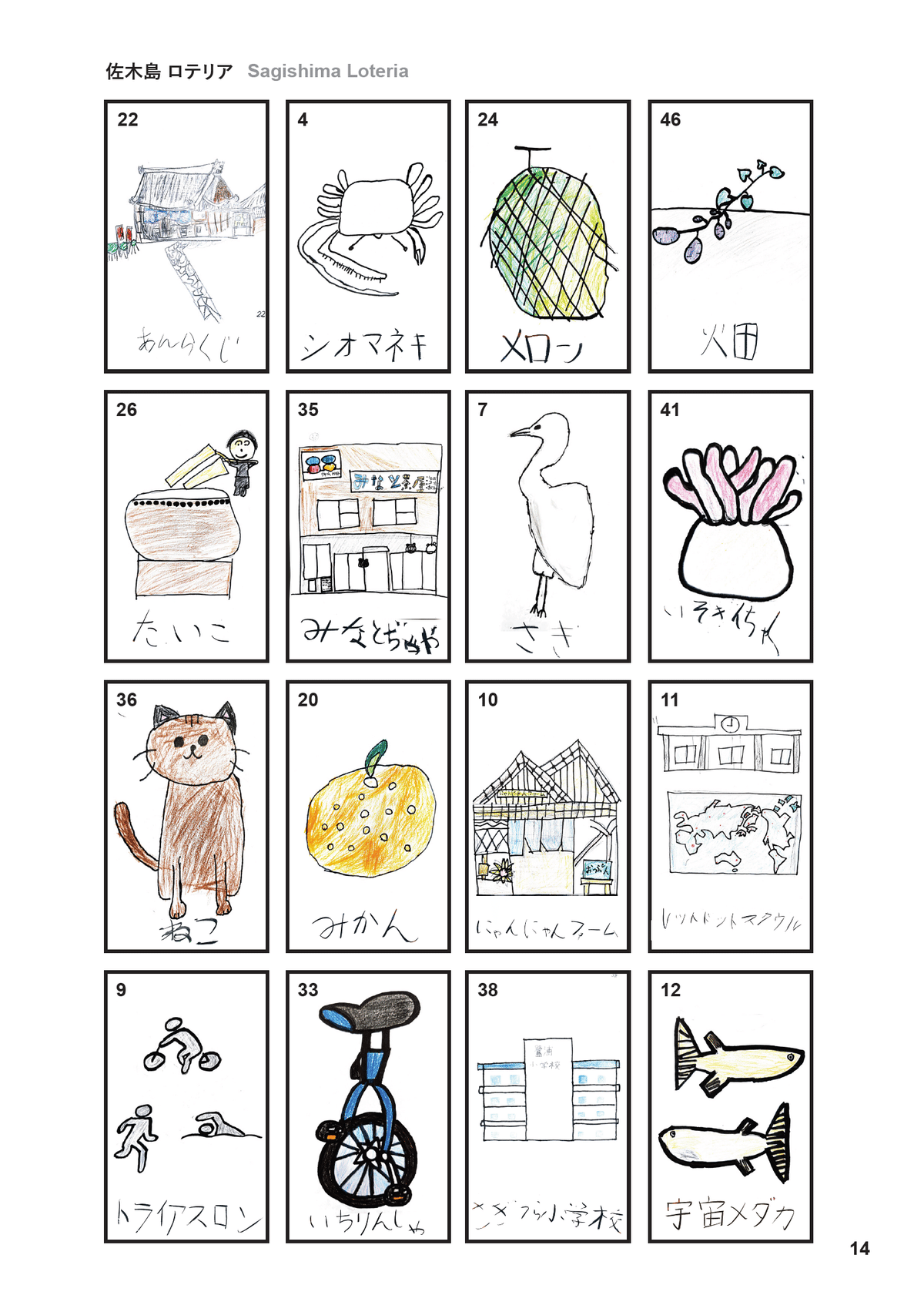
- Sagishima Loteria (佐木島ロテリア) is the most visible artifact of the Foundation–school relationship. Loteria is the Mexican card-bingo tradition, brought by Bryan (whose heritage is Mexican); in January 2024 the children and the Foundation co-created a Sagishima version whose cards depict things specifically of the island. 佐木島ロテリアは、財団と学校の関係を最もよく示すものである。ロテリアはメキシコのカード式ビンゴの伝統で、メキシコにルーツをもつ Bryan が持ち込んだ。2024年1月、子どもたちと財団は、島ならではの事物を札に描いた佐木島版を共同でつくり上げた。
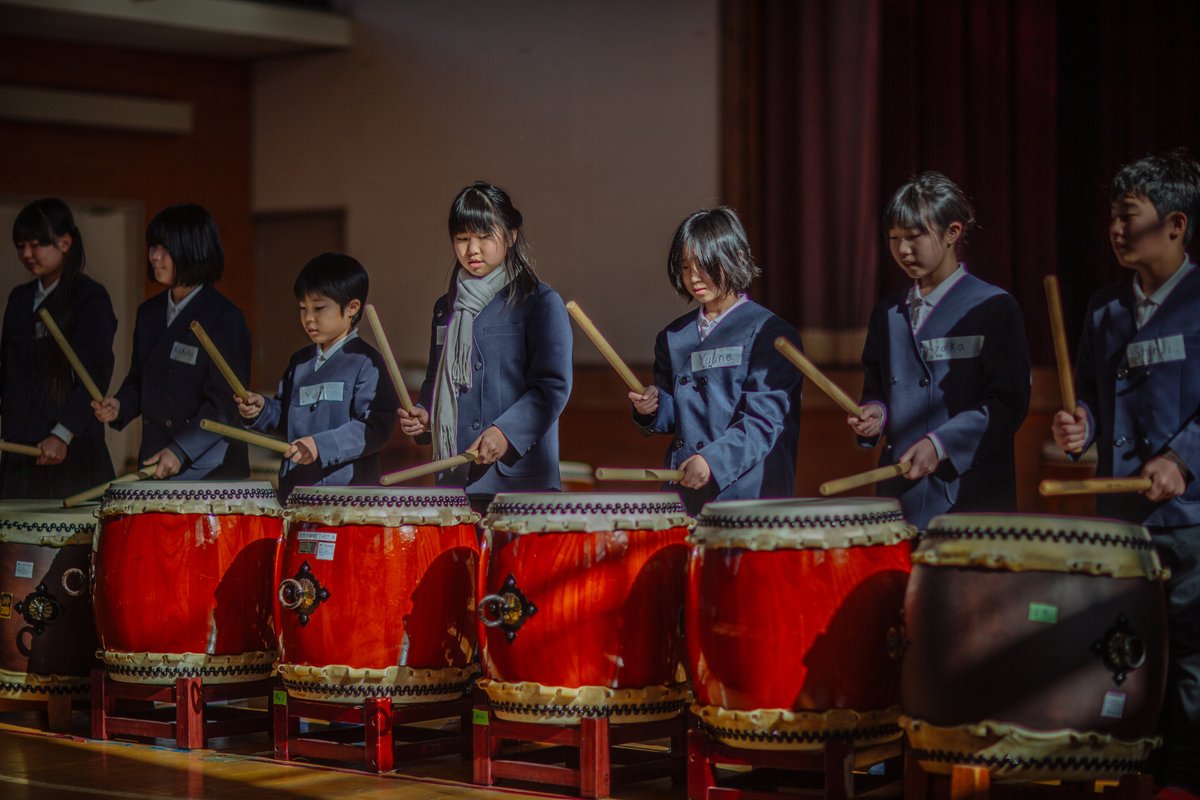
 - When Melbourne University students arrived for fieldwork that same month, the children welcomed them with a taiko drum performance.
同じ月にメルボルン大学の学生たちがフィールドワークのために来島した際、子どもたちは太鼓の演奏で彼らを迎えた。
- Transliteration note: the City partnership document uses "Sagiura" once, but the school's standard romanization is "Sagiura." The Foundation uses Sagiura.
表記についての注:三原市との連携文書では一度だけ「Sagiura」が用いられているが、学校の標準的なローマ字表記は「Sagiura」である。財団はSagiuraを用いる。
- When Melbourne University students arrived for fieldwork that same month, the children welcomed them with a taiko drum performance.
同じ月にメルボルン大学の学生たちがフィールドワークのために来島した際、子どもたちは太鼓の演奏で彼らを迎えた。
- Transliteration note: the City partnership document uses "Sagiura" once, but the school's standard romanization is "Sagiura." The Foundation uses Sagiura.
表記についての注:三原市との連携文書では一度だけ「Sagiura」が用いられているが、学校の標準的なローマ字表記は「Sagiura」である。財団はSagiuraを用いる。
Related / 関連
History and shrines / 歴史と神社
Native- and historian-review needed. The following draws on classical-Japanese shrine records (双鷺洲 quoting 藤井家文書 1681, Meiji 45 郷土資料, 三原市史) and several proper-noun readings are TENTATIVE. Dates are given in both Western and era form, with Japanese authoritative.
要・ネイティブ/郷土史家確認。以下は古文献の神社記録(双鷺洲が引く藤井家文書〔1681〕・明治45年郷土資料・三原市史)に基づき、いくつかの固有名詞の読みは暫定(TENTATIVE)である。年は西暦と元号を併記し、日本語表記を正とする。
Komura Hachiman-gū (Sagi district) / 小浦八幡宮(佐木地区)
The principal Hachiman shrine of the Sagi district is Komura Hachiman-gū (小浦八幡宮; reading TENTATIVE, the source also renders it "Komeura"). It is said to have been founded by inviting (勧請) a branch-spirit of Usa Hachiman-gū (宇佐八幡宮). The deities of the founding era are believed to have been Ōjin Tennō (応神天皇), Hime-Ōkami (比咩大神), and Empress Jingū (神功皇后). (双鷺洲 p.107)
佐木地区の中心となる八幡社が小浦八幡宮(読みは暫定。出典は「Komeura」とも記す)である。宇佐八幡宮の分霊を勧請して創建されたと伝えられ、創建期の祭神は応神天皇・比咩大神・神功皇后であったと考えられている。(双鷺洲 p.107)
A separate founding tradition (由緒) records that the shrine was founded in 1581 (Tenshō 9) when Murakami Yoichibei Naomori (村上与市兵衛直盛; reading TENTATIVE), a deputy/magistrate (代官) of the Innoshima Murakami house (因島村上家), invited the divided spirit of Usa Hachiman-gū (then of Kanpei Taisha rank) as the petitioner (願主). The local steward/deputy steward Mukai Kizaemon Naonobu (向井喜左衛門尚信; reading TENTATIVE) donated his own forest land of 4 tan 6 se 18 bu (4反6畝18歩), and the spirit was enshrined on the small island of Sagi (佐木の小島) on the 13th day of the 6th month of Tenshō 9. (双鷺洲 p.155, citing the 由緒 / 三原市史・須波村系 origin record)
別の由緒では、1581年(天正9年)、因島村上家の代官村上与市兵衛直盛(読み暫定)が願主となり、宇佐八幡宮(当時の官幣大社)の分霊を勧請して創建されたと記す。庄司代向井喜左衛門尚信(読み暫定)が自らの山林4反6畝18歩を寄進し、天正9年6月13日に佐木の小島へ祀ったとされる。(双鷺洲 p.155、由緒/三原市史・須波村系の起源記録による)
Flag: the two foundation accounts differ. The p.107 account gives no founding year and names Ōjin / Hime-Ōkami / Jingū as the founding deities; the p.155 account gives 1581 (Tenshō 9) and a Murakami-house founder. Both cite Usa Hachiman-gū as the source shrine. HELD for reconciliation by a historian. 注記:p.107 と p.155 の創建記は内容が異なる。p.107 は創建年を示さず祭神を応神・比咩・神功とし、p.155 は天正9年(1581)と村上家による創建を記す。いずれも勧請元を宇佐八幡宮とする。郷土史家による照合のため保留。
Earlier (Buddhist) form. Per the Fujii family documents (藤井家文書), around 1681 (Enpō 9) the enshrined deities were an Amida triad (阿弥陀三尊): Amida Nyorai (阿弥陀如来) at center, Kannon Bosatsu (観音菩薩) at left, and Seishi Bosatsu (勢至菩薩) at right. This reflects the shrine's pre-separation Shinto-Buddhist (神仏習合) form. (双鷺洲 p.107 and p.155, citing 藤井家文書, 延宝9 / 1681)
より古い(仏教的な)姿。 藤井家文書によれば、1681年(延宝9年)頃の祭神は阿弥陀三尊で、中尊が阿弥陀如来、向かって左に観音菩薩、右に勢至菩薩であった。これは神仏分離以前の神仏習合の姿を示す。(双鷺洲 p.107・p.155、藤井家文書〔延宝9/1681〕による)
Kyōhō-era events. The shrine was struck by the great fire of 1727 (Kyōhō 12) and rebuilt the following year, 1728 (Kyōhō 13). Also during the Kyōhō era (1716-1736), a divided spirit of the Hinomisaki Shrine of Izumo Province (出雲国日御碕神社, formerly Kokuhei Chūsha rank) was invited and enshrined, per Meiji 45 (1912) local-history materials. (双鷺洲 p.155, p.157)
享保期の出来事。 当社は1727年(享保12年)の大火に遭い、翌1728年(享保13年)に再建された。また享保年間(1716〜1736)には、明治45年(1912)の郷土資料によれば出雲国日御碕神社(旧国幣中社)の分霊が勧請・合祀された。(双鷺洲 p.155・p.157)
Meiji renaming. Formerly called Komura Hachiman-gū (小浦八幡宮), the shrine was renamed Komura Jinja (小浦神社; reading TENTATIVE) at the Restoration (維新). (双鷺洲 p.157, 元小浦八幡宮卜言ヒ維新ノ際改メテ小浦神社トス)
明治の改称。 もと小浦八幡宮と称し、維新の際に小浦神社(読み暫定)と改めた。(双鷺洲 p.157「元小浦八幡宮卜言ヒ維新ノ際改メテ小浦神社トス」)
Shinto-Buddhist separation and co-enshrinement / 神仏分離と合祀
Under the 1871 (Meiji 4) Gōsha Teisoku (郷社定則, village-shrine ordinance) accompanying the separation-of-Shinto-and-Buddhism edict, the rule of one ujigami per village (一村一氏神) applied: lesser shrines were abolished and their deities re-enshrined as co-deities (相殿神) of Komura Hachiman-gū. In Sagi district no formal Shinto "conversion" was recorded as such, but the enshrined kami changed: the Kōjin shrine (荒神社) formerly at Anrakuji (安楽寺) moved to Komura Hachiman-gū, and many shrines became its co-enshrined deities (相殿神). (双鷺洲 p.107)
神仏分離令にともなう明治4年(1871)の郷社定則のもとで、一村一氏神の原則が適用され、小社は廃され、その祭神は小浦八幡宮の相殿神として合祀された。佐木地区では神道への「改宗」がそれとして記録されたわけではないが、祭神は変化した。安楽寺にあった荒神社が小浦八幡宮へ移され、多くの社がその相殿神となった。(双鷺洲 p.107)
The companion-hall deities (相殿) were amalgamated on staggered dates: (双鷺洲 p.155, 由緒)
相殿の祭神は、次の異なる時期に合祀された。(双鷺洲 p.155、由緒)
- 1869 (Meiji 2): Susanoo-no-Mikoto (素盞嗚尊 / 素蓋鳴尊) of the Kōjin shrine (荒神社), moved from within the precincts of Anrakuji (安楽寺) and enshrined together; later confirmed as a co-deity (相殿神). (双鷺洲 p.107, p.155) 1869年(明治2年): 安楽寺境内から移された荒神社の素盞嗚尊(素蓋鳴尊)を合祀。のちに相殿神とされた。(双鷺洲 p.107・p.155)
- 1884 (Meiji 17): the Munakata three goddesses (宗像三女神) of Itsukushima Shrine (厳島神社). (双鷺洲 p.155) 1884年(明治17年): 厳島神社の宗像三女神。(双鷺洲 p.155)
- 1890 (Meiji 23): Kotoshironushi-no-Mikoto (言代主命) of the Ebisu shrine (恵美須社). (双鷺洲 p.155) 1890年(明治23年): 恵美須社の言代主命。(双鷺洲 p.155)
Present co-enshrined deities. The present Komura Hachiman-gū enshrines as co-deities (相殿神): Susanoo-no-Ōkami (須佐之男大神), Munakata-no-Ōkami (宗像大神), Hachiman-Ōkami (八幡大神), and Kotoshironushi-no-Ōkami (事代主大神). (双鷺洲 p.107)
現在の相殿神。 現在の小浦八幡宮は、相殿神として須佐之男大神・宗像大神・八幡大神・事代主大神を祀る。(双鷺洲 p.107)
Komura Jinja per the Meiji 45 (1912) record / 小浦神社(明治45年〔1912〕記録)
The Meiji 45 (1912) local-history materials record the following for Komura Jinja. The origin (由緒) is given as unknown (不詳). (双鷺洲 p.157)
明治45年(1912)の郷土資料は、小浦神社について次のように記す。由緒は不詳とする。(双鷺洲 p.157)
- Enshrined deities: the Munakata three goddesses (宗形三女神), Homudawake-no-Mikoto (品陀和気之命 = Emperor Ōjin), Takenouchi-no-Sukune (武内宿祢), Kotoshironushi-no-Mikoto (事代主命), and Susanoo-no-Mikoto (須佐之男命). (双鷺洲 p.157) 祭神: 宗形三女神・品陀和気之命(応神天皇)・武内宿祢・事代主命・須佐之男命。(双鷺洲 p.157)
- Building dimensions: main hall (正殿) 1 ken x 1 ken; offering hall (幣殿) 1 ken x 2 ken; worship hall (拝殿) 1 ken x 4 ken; sacred-implement storehouse (御神用庫) 2 ken x 1 ken. (双鷺洲 p.157) 社殿の寸法: 正殿 1間×1間、幣殿 1間×2間、拝殿 1間×4間、御神用庫 2間×1間。(双鷺洲 p.157)
- Precinct (境内): 199 tsubo (百九拾九坪), government-owned (官有地) type 1, plus 3 tan 9 se 21 bu (三段九畝廿壱歩) of government-owned type-1 land. Permission to incorporate former upland/forest land (上地林) into the precinct was granted on the 25th day of the 12th month of Meiji 34 (December 1901). (双鷺洲 p.157) 境内: 百九拾九坪、官有地第一種。ほかに官有地第一種 三段九畝廿壱歩。上地林を境内に編入する許可は明治34年(1901)12月25日に下りた。(双鷺洲 p.157)
Flag: the source's era-to-Western mapping for this entry should be verified. Meiji 34 = 1901 is correct, but the routing note observed an internal inconsistency in how the source renders this date elsewhere. Verify against the original entry 明治三十四年十二月廿五日上地林境内編入許可. HELD. 注記:本項の元号・西暦対応は要確認。明治34年=1901で正しいが、出典が他所で異なる表記を用いている可能性がある。原文「明治三十四年十二月廿五日上地林境内編入許可」と照合のこと。保留。
Main hall reconstruction. The main hall (本殿) was reconstructed in 1923 (Taishō 12). (双鷺洲 p.155, 由緒, and 社歴 p.161)
本殿の再建。 本殿は1923年(大正12年)に再建された。(双鷺洲 p.155 由緒、社歴 p.161)
Ungraded shrines under Komura Jinja / 小浦神社管下の無格社
The Meiji 45 (1912) record lists two ungraded shrines (無格社) under Komura Jinja: Hiro Shrine (比呂神社; reading TENTATIVE, cross-referenced separately) and Kōjin Shrine (荒神社). (双鷺洲 p.157)
明治45年(1912)の記録は、小浦神社管下の無格社として比呂神社(読み暫定、別途参照)と荒神社の二社を挙げる。(双鷺洲 p.157)
Kōjin Shrine (荒神社) details (Meiji 45 record): deity Susanoo-no-Mikoto (須佐之男命); origin unknown; main hall 3 shaku 2 sun x 2 shaku 7 sun; worship hall 1.5 ken x 2 ken; precinct 232 tsubo (弍百三拾弍坪), government-owned type 1; 176 adherents (信徒 弌百七拾六人). (双鷺洲 p.157)
荒神社の詳細(明治45年記録):祭神須佐之男命、由緒不詳、本殿 3尺2寸×2尺7寸、拝殿 1.5間×2間、境内 弍百三拾弍坪(官有地第一種)、信徒百七拾六人。(双鷺洲 p.157)
Hachiman Shrine sacred pillar (saltern relic) / 八幡神社の神柱(塩田の遺物)
In the Hachiman Shrine chronology, a hexagonal sacred pillar (六角神柱) was erected in 1836 (Tenpō 7); it is thought to have been moved from the Ōgihama saltern (扇濱塩田) into the shrine precinct. (双鷺洲 p.142)
八幡神社の社歴では、1836年(天保7年)に六角神柱が建てられた。これは扇濱塩田から境内へ移されたものと考えられている。(双鷺洲 p.142)
Mukōda district / 向田地区
Mukōda Hachiman-gū (Hachiman Shrine) / 向田八幡宮(八幡神社)
The torii of Mukōda Hachiman-gū (向田八幡宮 / Hachiman Shrine) seen in the Meiji 44 (1911) postcard was erected in 1744 (Enkyō 1) and was relocated to the north approach (北参道) in 1935 (Shōwa 10). (さぎしま讃歌 p.130)
明治44年(1911)の絵葉書に写る向田八幡宮(八幡神社)の鳥居は、1744年(延享元年)に建立され、1935年(昭和10年)に北参道へ移された。(さぎしま讃歌 p.130)
To commemorate Kigen 2600 in 1940 (Shōwa 15), lanterns (燈籠) were donated to the Hachiman Shrine (八幡神社) in Mukōda by Nishikawa Ryōsaku (西川良作; reading TENTATIVE) and Nishikawa Shōzō (西川庄造; reading TENTATIVE). (さぎしま讃歌 p.135)
紀元2600年を記念して、1940年(昭和15年)、向田の八幡神社に西川良作(読み暫定)と西川庄造(読み暫定)が燈籠を奉納した。(さぎしま讃歌 p.135)
Kigen-2600 coast reclamation / 紀元2600年記念の海岸埋立
As its Kigen-2600 project, the Mukōda Youth Group (向田青年団) reclaimed the Shikada coast (志加田海岸; reading TENTATIVE) in 1940 (Shōwa 15), using a trolley (トロッコ) to haul mountain sand and sea sand in a large-scale construction effort. (さぎしま讃歌 p.134)
1940年(昭和15年)、向田青年団は紀元2600年記念事業として、トロッコで山の砂と海の砂を運ぶ大規模な工事により、志加田海岸(読み暫定)の埋立を行った。(さぎしま讃歌 p.134)
Sagiura Post Office / 鷺浦郵便局
In 1927 (Shōwa 2), a Sagiura post-handling office (鷺浦郵便取扱所, yūbin toriatsukaijo) was established behind the Kotani Residence (小谷邸; reading TENTATIVE). In 1930 (Shōwa 5) it became the Sagiura Post Office (鷺浦郵便局), a non-collection/delivery (無集配, mushūhai) branch office. In 1985 (Shōwa 60) the post office was relocated and newly rebuilt. (さぎしま讃歌 p.165)
1927年(昭和2年)、小谷邸(読み暫定)の裏手に鷺浦郵便取扱所が設けられた。1930年(昭和5年)には無集配の鷺浦郵便局となった。1985年(昭和60年)、郵便局は移転・新築された。(さぎしま讃歌 p.165)
Community and welfare buildings / 集会・福祉施設
The Sagi Meeting House (鷺集会所, Sagi Shūkaijo) was built in 1977 (Shōwa 52). (さぎしま讃歌 p.187)
鷺集会所は1977年(昭和52年)に建てられた。(さぎしま讃歌 p.187)
In 1987 (Shōwa 62), Tanaka Shin'ichi (田中信一), then a prefectural assembly member with far-reaching ideals for island welfare, consulted Shōda Mamoru (正田守), director of a hospital in Hiroshima, and invited a large Silver Center (シルバーセンター) to Mukōda Hamada-shinkai (向田浜田新開). (さぎしま讃歌 p.189)
1987年(昭和62年)、島の福祉に高い理想を抱いていた当時の県議会議員田中信一は、広島の病院長正田守に相談し、向田浜田新開へ大規模なシルバーセンターを誘致した。(さぎしま讃歌 p.189)
Sagi port and the cherry-blossom park / 佐木港と桜の公園
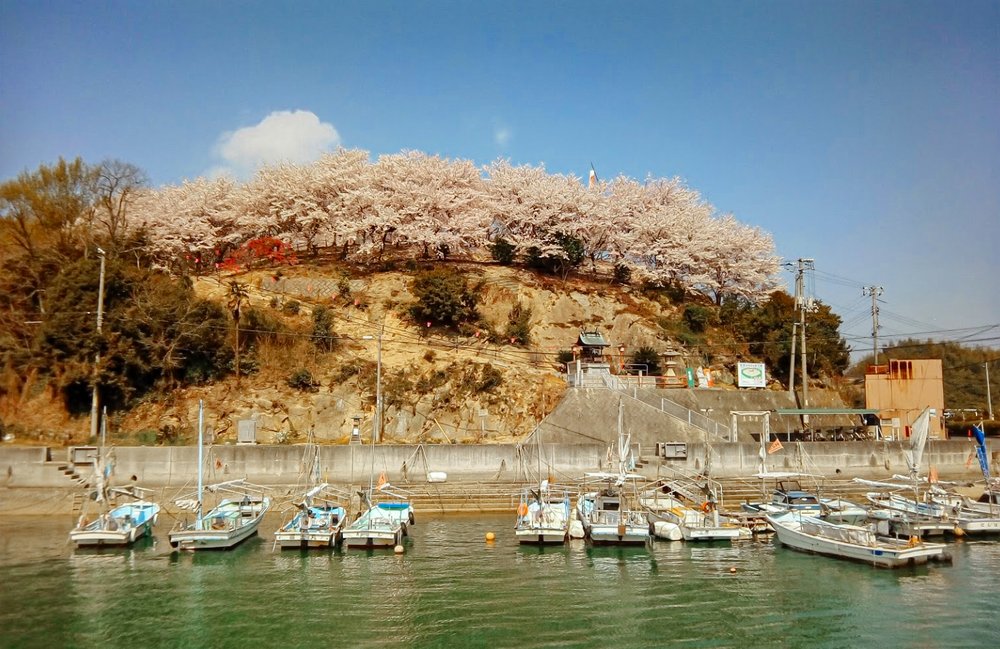
The proposal was taken up by Shirasu Hitoshi (白須均), then head of the Sagiura townsmen's association (鷺浦町内会長) and a Mihara City Council member, who rallied local volunteers; the area around Sagi port became a major cherry-blossom site. Children of Sagiura Elementary School (鷺浦小学校) named it "Minato-no-oka Park" (港の丘公園), and a viewing platform was installed. (双鷺洲 p.116)
この計画は、当時の鷺浦町内会長で三原市議会議員でもあった白須均が取り上げ、地元の有志を集めて進めた。佐木港周辺は桜の名所となり、鷺浦小学校の児童が「港の丘公園」と名付け、展望台が設けられた。(双鷺洲 p.116)
Note: this same Sagiura Elementary School (鷺浦小学校) is the school described in the page's Overview. The cherry-blossom harbor view here is consistent with the existing harbor photo. The romanization "Sagiura" used in this 双鷺洲 source aligns with the project rule (鷺浦 = Sagiura) and differs from the page's house style "Sagiura"; see the page's transliteration note. HELD for the page-wide romanization decision. 注記:ここに出る鷺浦小学校は概要で述べた学校と同一である。本ページの表記方針「Sagiura」と、出典・プロジェクト規則の「Sagiura」(鷺浦)が食い違う点については本ページの表記注を参照。ページ全体の表記方針の決定まで保留。
Industry / 産業
The Horiguchi Pearl farm operated in front of Sachi Shrine (幸神社, Sachi-jinja; reading TENTATIVE, possibly Saiwai-jinja), which is visible at a distance from the Sagi (佐木) side. (さぎしま讃歌 p.156-157)
堀口真珠の養殖場は、佐木側から遠くに望める幸神社(読み暫定、「さいわい神社」の可能性あり)の前で営まれていた。(さぎしま讃歌 p.156-157)
Kotohira Shrine (Sagi district) / 金刀比羅神社(佐木地区)
A photo dated circa 1941 (Shōwa 16) shows a view including Kotohira Shrine (金刀比羅神社, Konpira-jinja) in the Sagi district. In 1993 (Heisei 5) the shrine was relocated due to road widening; the current shrine is shown as of 2011 (Heisei 23). (さぎしま讃歌 p.158)
1941年(昭和16年)頃の写真には、佐木地区の金刀比羅神社(こんぴら神社)を含む眺めが写る。1993年(平成5年)、道路拡幅のため移転し、現在の社殿は2011年(平成23年)時点のものとして示されている。(さぎしま讃歌 p.158)
Sagi Youth Association reclamation / 佐木青年団の埋立事業
As a commemorative project in 1940 (Shōwa 15), the Sagi Youth Association carried out land reclamation of the area around the former agricultural cooperative (in the hills west of the present co-op, in front of Mr. Fujiki's house / 藤木氏; reading TENTATIVE). (双鷺洲 p.237)
1940年(昭和15年)の記念事業として、佐木青年団は旧農協付近(現農協の西側の丘、藤木氏宅の前。読み暫定)の埋立を行った。(双鷺洲 p.237)
Sources / 出典
-
Primary: note.com "鷺浦小学校との連携 / Collaboration with Local elementary school kids" (Nao Kono,
n0658462ddfad, 2024-01-22) and "メルボルン大学修士設計スタジオとの連携 / Collaboration with Melbourne University" (Nao Kono,n98bdfbc1101d, 2024-01-21); Mihara City partnership document. See bibliography. 一次資料:note.com「鷺浦小学校との連携 / Collaboration with Local elementary school kids」(Nao Kono、n0658462ddfad、2024-01-22)および「メルボルン大学修士設計スタジオとの連携 / Collaboration with Melbourne University」(Nao Kono、n98bdfbc1101d、2024-01-21)、三原市との連携文書。文献目録を参照。 -
Primary: さぎしま讃歌 (pp. 130, 134, 135, 156-158, 165, 187, 189) and 双鷺洲 (Sōroshū; pp. 107, 116, 142, 155, 157, 159, 161, 237). The 双鷺洲 shrine entries themselves quote deeper primaries: the Fujii family documents (藤井家文書, Enpō 9 / 1681), the Meiji 45 (1912) local-history materials (明治45年郷土資料), and the 三原市史 / 須波村系 origin record. Cite those underlying primaries where a claim is traced to them. 一次資料: 『さぎしま讃歌』(pp.130, 134, 135, 156-158, 165, 187, 189)および『双鷺洲』(pp.107, 116, 142, 155, 157, 159, 161, 237)。『双鷺洲』の神社記事はさらに古い一次資料、すなわち藤井家文書(延宝9/1681)、明治45年(1912)郷土資料、三原市史・須波村系の起源記録を引用している。事実がこれらに遡る場合はその原典を引くこと。