draft
Premodern Sagishima / 近代以前の佐木島
Overview / 概要
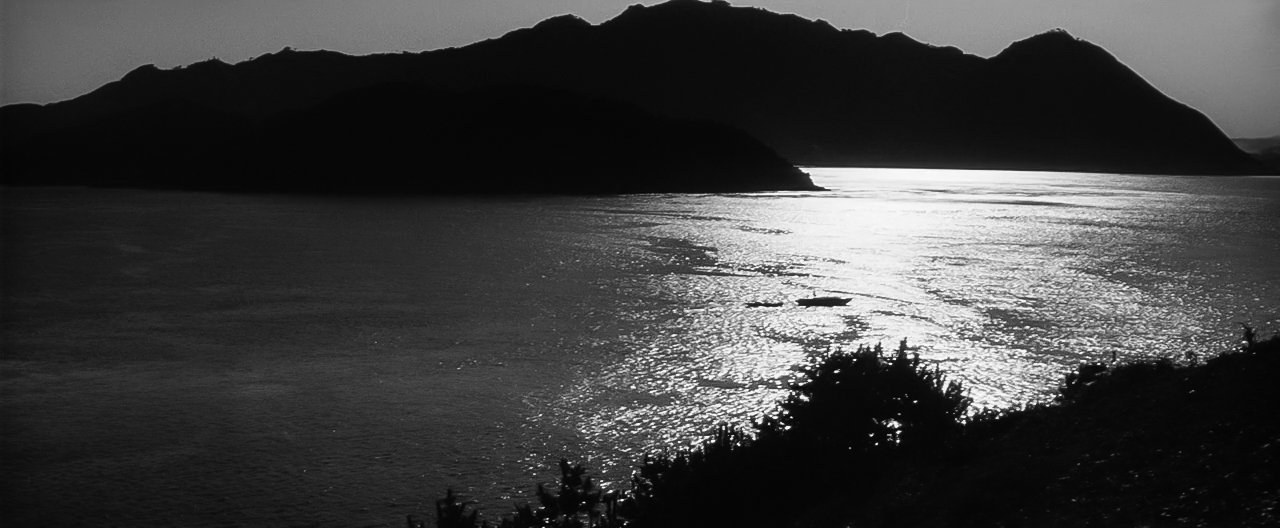
Before the long contraction, Sagishima was a self-sufficient agricultural and maritime community. The Old Home page summarizes the historical economic activities as wooden boat-building, family farms, and fisheries. The island's hydrology supported intensive cultivation; the aerial footage that opens Kaneto Shindo's 1960 film The Naked Island (裸の島) shows the landscape this was: terraced, worked, full of small structures and human movement.
長い縮小が始まる前、佐木島は自給自足の農業・海上交易の共同体だった。Old Homeページは、かつての経済活動を木造船づくり、家族経営の農地、そして漁業としてまとめている。島の水文は集約的な耕作を支えていた。新藤兼人監督の1960年の映画『裸の島』の冒頭を飾る空撮の映像は、当時の景観そのものを映し出している。段々畑が刻まれ、人の手が入り、小さな建物と人々の動きに満ちた風景である。
What we know / わかっていること
- The economy rested on boat-building and farming, with some fishing. (Note a source tension: RDS's Old Home page names "fisheries" among the historical industries, while Japanese Wikipedia says the island has no established fishing tradition and is agriculture-dominated. See open questions and Historical Agriculture.) 経済は船づくりと農業を基盤とし、いくらかの漁業を伴っていた。(ただし資料間の食い違いに注意。レッドドットスクールのOld Homeページはかつての産業として「漁業」を挙げているが、日本語版ウィキペディアはこの島に確立した漁業の伝統はないとし、農業が中心だとしている。未解決の問いおよびかつての農業を参照。)
- Hydrology was local and self-sufficient until the mid-20th century (see Hydrology). 水文は20世紀半ばまで、島内で完結する自給自足のものだった(水文を参照)。
- The educational lineage of the island begins on the record in 1875 with the original Kaku-Mei-Sha (see School Lineage). 島の教育の系譜は、記録の上では1875年、初代の格明舎に始まる(学校の系譜を参照)。
- Administratively, Sagishima was two entities until it merged into Mihara City on 1956-09-30, becoming the single district of Sagiura-chō (鷺浦町). (Per ja.wikipedia 佐木島.) 行政上、佐木島はもともと二つの自治体だったが、1956年9月30日に三原市へ編入され、鷺浦町という一つの地区になった。(日本語版ウィキペディア「佐木島」による。)
Open questions / 未解決の問い
- There is no specific account in Foundation records before the 1875 founding. Natural starting points: the municipal archives of Mihara, the records of the surrounding temple complexes, and Isso himself. See open questions (item 2) and the Isso-San Anthropology initiative. 1875年の創設以前については、財団の記録に具体的な記述がない。手がかりとなりそうな出発点は、三原市の行政文書、周辺の寺院群の記録、そして河本義成(イッソ)本人である。未解決の問い(項目2)およびイッソさん人類学の取り組みを参照。
The deeper premodern record / より古い時代の記録
Foundation records carry no specific account of Sagishima before the 1875 school founding, but the premodern island is well documented in primary sources. It was a worked, divided, and long-inhabited place: split for centuries between Bingo Province (備後国) and Aki Province (安芸国), and shaped by salt-making, sweet-potato cultivation, monastic land reclamation, and recurring famine.
財団の記録には1875年の学校創設以前についての具体的な記述がないが、近代以前の島は一次史料によく記録されている。佐木島は長く人の手が入り、分割され、人が住み続けてきた島であった。すなわち、何世紀にもわたって備後国と安芸国に分かれ、製塩、サツマイモの栽培、寺院による新田開発、そして度重なる飢饉によって形づくられた島である。
Medieval lordship and the division of the island / 中世の領主と島の分割
-
Sagishima belonged to Ura-gō (浦郷) within Nuta-no-shō (沼田荘) and was a holding of Kobayakawa Shigehira (小早川茂平, reading TENTATIVE). In 1258 (Shōka 2) Shigehira transferred it, including Sagishima Sunami-ura (佐木島須並浦, reading TENTATIVE), to his wife Jōbutsu (浄仏). (双鷺洲 p.177, citing 三原市史) 佐木島は沼田荘のうち浦郷に属し、小早川茂平(読みTENTATIVE)の所領だった。1258年(正嘉2年)、茂平はこれを、佐木島須並浦(読みTENTATIVE)を含めて妻浄仏へ譲った。(双鷺洲 p.177、三原市史を引用)
-
The holding passed from Jōbutsu to her daughter Matsuya (松弥, reading TENTATIVE) and then to Matsuya's grandchild; an inheritance dispute (相論) arose among the grandchildren, and the shogunate issued a ruling in 1289 (Shōō 2), though to whom Sagishima was finally granted is unclear. (双鷺洲 p.177, citing 三原市史) 所領は浄仏から娘松弥(読みTENTATIVE)へ、さらにその孫へと伝わった。孫たちの間で相論(相続争い)が起こり、幕府は1289年(正応2年)に裁定を下したが、佐木島が最終的に誰に与えられたかは明らかでない。(双鷺洲 p.177、三原市史を引用)
-
For the 1289 dispute over Sunami-ura, the 三原市史 holds that a land partition (下地中分, shitaji-chūbun) split Sagishima in two. By an alternate view, the whole island became the holding of the Kosaka lord (小坂) and Kobayakawa Shigetō (小早川茂遠, reading TENTATIVE; also read Mōtō) inherited Sagishima and served as jitō (地頭職). There is no firm evidence Shigetō held the jitō post; his name appears only on the Warei-ishi Jizō inscription and in the Kobayakawa and Nuta-Kobayakawa genealogies, and his dates, residence, posthumous name, family temple, and grave are all unknown. (双鷺洲 pp.171, 177, citing 三原市史 and 小早川家系図 / 沼田小早川家系図) 1289年の須並浦をめぐる相論について、三原市史は下地中分が行われ佐木島が二分されたとする。一方、別の見解では、島全体が小坂の領主の所領となり、小早川茂遠(読みTENTATIVE。茂盛とも)が佐木島を相続して地頭職を務めたとされる。茂遠が地頭であったという確証はなく、その名は和霊石地蔵の銘と小早川家系図・沼田小早川家系図に見えるのみで、生没年・居所・法名・菩提寺・墓はいずれも不明である。(双鷺洲 pp.171, 177、三原市史および小早川家系図/沼田小早川家系図を引用)
-
A 1276 (Kenji 2) Bingo Province estate register (備後国諸荘園領家地頭注文, from the 教王護国寺文書 / Kyōōgokokuji documents) records Hōjō Munemasa (北条宗政), younger brother of Hōjō Tokimune (北条時宗), as jitō of Innoshima-naka-no-shō (因島中庄, reading TENTATIVE), indicating Hōjō presence in the neighboring estates. (双鷺洲 p.177, citing 三原市史 / 教王護国寺文書) 1276年(建治2年)の備後国諸荘園領家地頭注文(教王護国寺文書)は、北条時宗の弟北条宗政を因島中庄(読みTENTATIVE)の地頭として記録しており、近隣荘園における北条氏の存在を示す。(双鷺洲 p.177、三原市史/教王護国寺文書を引用)
-
In the late 16th century the island lay under the Innoshima-Murakami house. Mukōda (向田) is recorded in 1591 (Tenshō 19) as the domain of Innoshima Murakami Shinzaemon-no-jō (因島村上新左衛門尉, also called Kichisuke 吉祐, reading TENTATIVE); as of 2015 the local "Murakami-san" observance was thought to commemorate him. (双鷺洲 p.142) 16世紀後半、島は因島村上家の支配下にあった。向田は1591年(天正19年)に因島村上新左衛門尉(吉祐とも。読みTENTATIVE)の領地として記録されており、2015年時点では、地元の「村上さん」の行事は彼を記念するものと考えられていた。(双鷺洲 p.142)
Temples and shrines / 寺社
-
Sukune Island (宿祢島, reading TENTATIVE) is traditionally said to be where Takenouchi no Sukune established a temporary palace (行在所) for Emperor Ōjin (応神天皇); in 730 (Tenpyō 2) Mitsuki no Mahito (御調真人) is said to have first established the Sukune Shrine there. (Classical-tradition material; needs historian review.) (双鷺洲 p.155) 宿祢島(読みTENTATIVE)は、武内宿祢が応神天皇のために行在所を設けた地と伝えられ、730年(天平2年)に御調真人が初めてそこに宿祢神社を建てたとされる。(古伝に基づく内容。歴史家による検証が必要。)(双鷺洲 p.155)
-
Hiro Shrine (比呂神社), said to be the oldest shrine on Sagishima and to predate the founding of Koura Hachiman-gū ("鷺島第一の古社"), was anciently called Hiro-myōjin, written 広明神 (not the modern 比呂). The name is thought to derive from local reverence for Hiro Yasutomo (広安友, reading TENTATIVE), with a myōjin shrine raised where he had prayed. It is identified with the fourth-rank "Sagi-myōjin (鷺慣明神 / 鷺樌明神, reading TENTATIVE)" among the twelve fourth-rank deities of Nuta District (沼田郡四位十二前) listed in the 安芸国神名帳 held at Gakuonji (楽音寺). (双鷺洲 p.163) 比呂神社は佐木島で最も古い神社とされ、小浦八幡宮の創建にも先立つ「鷺島第一の古社」と伝えられる。古くは広明神(現在の比呂ではなく広の字)と呼ばれた。社名は広安友(読みTENTATIVE)への地元の崇敬に由来し、彼が祈った地に明神社が建てられたと考えられている。楽音寺所蔵の安芸国神名帳にある沼田郡四位十二前のうち、四位の「鷺慣明神/鷺樌明神」(読みTENTATIVE)に比定される。(双鷺洲 p.163)
-
A 1814 (Bunka 11) record gives the object of worship (御神体) of Hiro Daimyōjin (広大明神) as a Senju Kannon (千手観音). Under the Daijōkan proclamation of 1869 (Meiji 2, 太政官布告) Hiro Shrine became a subsidiary shrine (末社) of Koura Hachiman-gū (小浦八幡宮). A 1912 (Meiji 45) local-resource record lists it as an ungraded shrine (無格社) with deity Amatsuhikone-no-mikoto (天津日子根命), founding date unknown. The worship hall (拝殿) was rebuilt three times: 1887 (Meiji 20), 1938 (Shōwa 13), and 1990 (Heisei 2). (双鷺洲 p.163, citing 広島県神社名鑑) 1814年(文化11年)の記録は、広大明神の御神体を千手観音とする。1869年(明治2年)の太政官布告により、比呂神社は小浦八幡宮の末社となった。1912年(明治45年)の郷土資料では、祭神天津日子根命の無格社とされ、創建年は不明。拝殿は三度再建された。1887年(明治20年)、1938年(昭和13年)、1990年(平成2年)である。(双鷺洲 p.163、広島県神社名鑑を引用)
-
Koura Hachiman-gū (小浦八幡宮) was founded in 1581 (Tenshō 9), enshrining the three Hachiman deities (八幡三座大神), with Murakami Yoichibei (Naomori) (村上與市兵衛直盛, reading TENTATIVE), a retainer of Kobayakawa Takakage (小早川隆景), as patron. The shrine site had been a small island owned by the Mukai family (向井家) surrounded by shallow tidal sea; the deputy steward Mukai Kizaemon (Naonobu) (向井喜左衛門尚信, reading TENTATIVE) donated forest land of about 4 tan 6 se 16-18 bu (大4反6畝16-18歩) (the two sources give 16 and 18 bu; minor discrepancy to verify). Oral tradition adds that on Tenshō 9, 6th month, 13th day a division of the spirit of Usa Hachiman-gū (宇佐八幡宮) was enshrined on a small island of Sagi. (双鷺洲 pp.94, 98; さぎしま讃歌 p.111) 小浦八幡宮は1581年(天正9年)、小早川隆景の家臣村上與市兵衛(直盛)(読みTENTATIVE)を願主として創建され、八幡三座大神を勧請した。社地はもと向井家所有の小島で、遠浅の潮の海に囲まれていた。庄司代向井喜左衛門(尚信)(読みTENTATIVE)が山林大4反6畝16〜18歩を寄進した(二つの史料は16歩と18歩を記しており、要確認の軽微な相違)。口碑では、天正9年6月13日に宇佐八幡宮の分霊を佐木の小島に勧請したと伝える。(双鷺洲 pp.94, 98、さぎしま讃歌 p.111)
-
Anrakuji (安楽寺) was revived in 1591 (Tenshō 19) by Murakami Yoichibei, who relocated it from a small hermitage called Keiren-bō (敬連坊, reading TENTATIVE) in Taira-no-tani (平の谷, reading TENTATIVE) north of the present site and enshrined his personal devotional Buddha, Dainichi Nyorai (大日如来). Until 1833 (Tenpō 4) Anrakuji was a branch temple (末寺) of Jizōin (地蔵院), with a parish (檀家) covering Sagishima and Hosojima (細島). (双鷺洲 pp.94-95) 安楽寺は1591年(天正19年)、村上與市兵衛により再興された。現在地の北、平の谷(読みTENTATIVE)の小庵敬連坊(読みTENTATIVE)から移し、彼の念持仏大日如来を安置した。1833年(天保4年)まで安楽寺は地蔵院の末寺で、檀家は佐木島と細島に及んだ。(双鷺洲 pp.94-95)
-
Jizōin (地蔵院) was founded in 949 (Tenryaku 3) and restored (中興) by the monk Ryōshū (了秀, reading TENTATIVE) during the Daiei era (1521-1527), per the gazetteer 芸藩通志 (Geihan Tsūshi, compiled 1825 / Bunsei 8). A 1814 (Bunka 11) survey records the parent temple of Sawa-mura Jizōin as being in Sawa village within Ikuchijima, Aida district (reading TENTATIVE), with a main hall of 6 ken by 4 ken, and a tradition that the temple was "built" around the Tenshō era (1573-1591) by Murakami Yoichibei. Since Jizōin was founded in 949 and revived in the Daiei era, the Tenshō "construction" was in fact a re-construction: Murakami Yoichibei, a deputy (代官) of the Innoshima-Murakami house, transferred Sagishima and Hosojima from Jizōin's parish to establish Anrakuji as a branch of Jizōin. (双鷺洲 pp.96-98, citing 芸藩通志 and 国郡志編集御用諸品書出 文化11年) 地蔵院は949年(天暦3年)に創建され、大永年間(1521-1527)に僧了秀(読みTENTATIVE)により中興されたと、地誌芸藩通志(1825年/文政8年編纂)は記す。1814年(文化11年)の調査は、沢村地蔵院の本寺を愛田郡生口島の沢村内とし(読みTENTATIVE)、本堂を6間×4間、天正年間(1573-1591)に村上與市兵衛が「建立」したとの伝えを記録する。地蔵院が949年創建・大永中興である以上、天正の「建立」は再建であった。すなわち、因島村上家の代官であった村上與市兵衛が佐木島・細島を地蔵院の檀家から移し、安楽寺を地蔵院の末寺として開いたのである。(双鷺洲 pp.96-98、芸藩通志・文化11年国郡志編集御用諸品書出を引用)
-
The grave of Murakami Yoichibei Naomori and his wife was, as of 2015, in the cemetery within Anrakuji's grounds; it was originally on the hill behind the Mukai family's house and was moved during Anrakuji's major renovation in 1985/1986 (Shōwa 60/61). A Kobayakawa Takakage record says a man named Murakami Yoichibei resided at Doi / Miyafu-no-ue (土井/みやふ之上, readings TENTATIVE) in Mukōda but was arrested by ashigaru sent from Mihara, after which his fate is unknown. (双鷺洲 pp.98-99, p.97) 村上與市兵衛直盛夫妻の墓は、2015年時点では安楽寺境内の墓地にあった。もとは向井家の裏山にあり、1985/1986年(昭和60/61年)の安楽寺大改修の際に移された。小早川隆景の記録には、村上與市兵衛なる者が向田の土井/みやふ之上(読みTENTATIVE)に住んでいたが三原から遣わされた足軽に捕らえられ、以後の消息は不明とある。(双鷺洲 pp.98-99, p.97)
-
On Kosagishima, the Sanbō Kōjin Shrine (三宝荒神社, also 地神社, deity Susanoo-no-mikoto 須佐男之尊) is said to have been founded in the Keichō era (1596-1615); a 1707 (Hōei 4) ridge-tablet (棟札) records its building and names Jinshichi (甚七) and Chōshirō (長四郎) as petitioners (願主). (双鷺洲 p.117) 小佐木島では、三宝荒神社(地神社とも。祭神須佐男之尊)が慶長年間(1596-1615)に創建されたと伝えられる。1707年(宝永4年)の棟札が造営を記録し、願主として甚七と長四郎を挙げる。(双鷺洲 p.117)
-
Records of Jōdoji (浄土寺) and Enkōji (円廣寺), with entries for incense money (香料) and congratulatory money (悦び料), are dated to 1819 (Bunsei 2). (双鷺洲 p.80) 浄土寺と円廣寺の記録には香料・悦び料の項目があり、1819年(文政2年)の年記がある。(双鷺洲 p.80)
The Warei-ishi Jizō / 和霊石地蔵
The cliff-carved Jizō at the land-and-sea boundary is the island's outstanding premodern monument. Its date and sculptor are well attested.
陸と海の境に刻まれた磨崖の地蔵は、近代以前の島を代表する記念物である。その年代と仏師はよく裏づけられている。
-
The Jizō was carved in 1300 (Shōan 2 / 正安2年, late Kamakura period) by the sculptor-monk Nenshin (念心), an inscription dating it to 1251 years after the death of Shakyamuni (釈尊圓寂二千二百五十一歲). It is a high-relief seated figure in full-lotus posture (結跏趺坐) carved into a giant granite (花崗岩) rock, holding a pilgrim's staff (錫杖) in the right hand and a wish-granting jewel (宝珠) in the left, with a circular halo (円光背), a seven-petaled lotus seat (七弁の蓮華座), and rare three-stemmed flower-vase crests (三茎華瓶紋) carved on both sides. It faces west toward Amida's Western Paradise. (Note: 双鷺洲 p.173 gives rock and figure dimensions that are clearly OCR-corrupted, e.g. "height 25m, thickness 3mm, seated height 8cm"; these must be verified against the primary before use.) (双鷺洲 pp.173-179; さぎしま讃歌 pp.96-97) 地蔵は1300年(正安2年、鎌倉時代後期)、仏師念心により刻まれ、銘は釈尊圓寂二千二百五十一歳と年代を記す。巨大な花崗岩に刻まれた高肉彫りの結跏趺坐像で、右手に錫杖、左手に宝珠を持ち、円光背と七弁の蓮華座を備え、両脇に珍しい三茎華瓶紋を刻む。西方阿弥陀の極楽浄土に向かって西面する。(注:双鷺洲 p.173の岩・像の寸法は明らかにOCRで破損しており(例「高さ25m、厚さ3mm、座高8cm」)、使用前に一次史料との照合が必要。)(双鷺洲 pp.173-179、さぎしま讃歌 pp.96-97)
-
The chief patron (大願主) is inscribed as 散位平朝臣茂盛(茂遠), with the carving undertaken on the vow of more than 70 lay and clerical donors (幹縁道俗七十餘人). The conventional reading is Taira no Shigemori (平茂盛, reading TENTATIVE); a revisionist reading argues the character is 茂遠/茂辷 and identifies the patron as Kobayakawa Shigetō (小早川茂遠, reading TENTATIVE), the Kosaka lord. As of the most recent record, neither Hiroshima Prefecture nor Mihara City had officially corrected the donor name to Shigetō. 橋本敬一 (Hashimoto Keiichi, TENTATIVE) publicly announced the Shigetō theory, and 登木正和 (Toki Masakazu, TENTATIVE) erected a stone monument recording the inscription. (双鷺洲 pp.171, 175, 181; さぎしま讃歌 pp.96-97) 大願主は散位平朝臣茂盛(茂遠)と刻まれ、幹縁道俗七十餘人の発願により造立された。通説の読みは平茂盛(読みTENTATIVE)。修正説は字を茂遠/茂辷とし、願主を小坂の領主小早川茂遠(読みTENTATIVE)に比定する。直近の記録の時点で、広島県・三原市とも願主名を茂遠へ公式に訂正してはいなかった。橋本敬一(TENTATIVE)が茂遠説を公表し、登木正和(TENTATIVE)が銘を記した石碑を建立した。(双鷺洲 pp.171, 175, 181、さぎしま讃歌 pp.96-97)
-
Nenshin was a stonemason of the Saidaiji-school Risshū sect (西大寺流派律宗) whose works range from Hakone in the east to Ōita Prefecture in the west. A 1318 (Bunpō 2) hōkyōintō (宝篋印塔) at Ōyamazumi Shrine (大山祇神社) bears the name Hōkkyō Nenshin (法橋念心), showing he had been granted the priestly rank of hōkkyō. His hōkyōintō at the Kobayakawa family graves at Yonesanji (米山寺, reading TENTATIVE) and the one at Ōyamazumi Shrine are both National Important Cultural Properties. Other dated works include a stone-pagoda fragment in Imabari (1312) and works at Mihara (1319). (双鷺洲 pp.175-176) 念心は西大寺流派律宗の石工で、その作は東は箱根から西は大分県に及ぶ。大山祇神社の1318年(文保2年)の宝篋印塔には法橋念心の名があり、法橋の僧位を受けていたことを示す。米山寺(読みTENTATIVE)の小早川氏墓所の宝篋印塔と大山祇神社のそれは、いずれも国の重要文化財である。年記のある他の作には、今治の石塔残欠(1312年)や三原の作(1319年)がある。(双鷺洲 pp.175-176)
-
Six Jizō statues (六地蔵) stand diagonally behind the main figure; surrounding markers are dated to Shōan 2 (1300, Jizō / Six Jizō / inscription / Monju Bosatsu 文殊菩薩), Bunka 4 (1807), Tenpō 2 (1831), Tenpō 9 (1838), and a memorial pagoda (供養塔) to Kaei 2 (1849). In a 1814 (Bunka 11) survey (国郡志下調諸品書出) the Jizō is recorded as held by Anrakuji within the Suha-mura (須波村, reading TENTATIVE) portion of Sagishima. In the Meiji era the deity received the formal name 和霊石地蔵 (Warei-ishi Jizō, reading TENTATIVE), matching the older local 割石地蔵 (Wareishi Jizō); the simpler 割石 spelling predominated in practice. In 1975 (Shōwa 50) it was designated a Hiroshima Prefectural Important Cultural Property, formal name 磨崖和霊石地蔵 (Magai Warei-ishi Jizō), and is described as the oldest stone Buddha (石仏) in Hiroshima Prefecture. (双鷺洲 pp.130, 173, 179; さぎしま讃歌 pp.96-97) 本尊の斜め後ろに六地蔵が立つ。周囲の石造物は正安2年(1300年。地蔵・六地蔵・銘・文殊菩薩)、文化4年(1807年)、天保2年(1831年)、天保9年(1838年)、嘉永2年(1849年)の供養塔と年代づけられる。1814年(文化11年)の国郡志下調諸品書出では、地蔵は佐木島須波村(読みTENTATIVE)分の安楽寺抱えと記録される。明治期に正式名和霊石地蔵(読みTENTATIVE。古い地元名の割石地蔵に対応)が与えられたが、実際には簡易な割石の表記が広まった。1975年(昭和50年)に広島県重要文化財に指定され、正式名は磨崖和霊石地蔵となった。広島県最古の石仏とされる。(双鷺洲 pp.130, 173, 179、さぎしま讃歌 pp.96-97)
Salt-making / 製塩
Salt was a defining premodern industry of Sagi, by the agehama (lifted-beach) method (揚げ浜式塩田). The core chronology rests on the Fujii-family documents and the Sagishima Koji Bibōroku (佐木島古事備忘録).
製塩は佐木の近代以前を特徴づける産業で、揚げ浜式塩田による。中心的な年表は藤井家文書と『佐木島古事備忘録』に依拠している。
-
A copy of the Fujii (藤井) family's documents records a salt-field landowner in the Keichō 6 (1601) land-survey register (御検地帳), showing salt was already produced at Sagi; the small number of se (畝) per holding indicates agehama production. Around 1601, nearly 300 households in Sagi are said to have owned salt fields, each of 5 se (5畝) or less, of the agehama type. (双鷺洲 pp.126, 243, 265, citing 藤井家文書 and 佐木島古事備忘録; さぎしま讃歌 p.15) 藤井家文書の写しは、慶長6年(1601年)の御検地帳に塩浜の地主を記録し、佐木で既に製塩が行われていたことを示す。一戸あたりの畝数が少ないことから揚げ浜式と考えられる。1601年頃、佐木では約300戸が5畝以下の塩田を所有し、揚げ浜式であったと伝えられる。(双鷺洲 pp.126, 243, 265、藤井家文書・佐木島古事備忘録を引用、さぎしま讃歌 p.15)
-
In 1683 (Tenna 3) salt fields were created at Mukōda-no-ura / Mawarida-no-ura (向田ノ浦/回田ノ浦, reading discrepancy between the two books to reconcile), Honhama (本浜), and Kitahama (北浜). (さぎしま讃歌 p.15; 双鷺洲 p.243) 1683年(天和3年)、向田ノ浦/回田ノ浦(二書の表記相違を要照合)、本浜、北浜に塩田が造られた。(さぎしま讃歌 p.15、双鷺洲 p.243)
-
In 1729 (Kyōhō 14) a great storm damaged the Mukōda-village beach, and salt-field embankment (塩留め, shiodome) repairs were carried out. (双鷺洲 p.243) 1729年(享保14年)、大嵐が向田村の浜を損ない、塩留めの修復工事が行われた。(双鷺洲 p.243)
-
In 1834 (Tenpō 5) Nishihara Shōzō (西原庄蔵, reading TENTATIVE) reclaimed the sea and established the Mukōda Ōgihama / Harahama salt field (向田扇浜/向田原浜塩田, reading discrepancy to reconcile) of 20 chōbu (町歩). (さぎしま讃歌 p.15; 双鷺洲 p.244) 1834年(天保5年)、西原庄蔵(読みTENTATIVE)が海を干拓し、20町歩の向田扇浜/向田原浜塩田(表記相違を要照合)を開いた。(さぎしま讃歌 p.15、双鷺洲 p.244)
-
A 1814 (Bunka 11) record notes one former salt-field site (塩浜跡) at Sagishima Okihama (佐木島沖浜), its construction date unknown. (双鷺洲 p.265, citing 文化11年国郡志編集御用諸品書出) 1814年(文化11年)の記録は、佐木島沖浜に一つの塩浜跡を記すが、造成年は不明。(双鷺洲 p.265、文化11年国郡志編集御用諸品書出を引用)
-
Later salt-field ownership: in 1872 (Meiji 5) Katsuma Sōbei / Uma Sōbei (勝馬宗兵衛/馬宗兵衛, reading TENTATIVE; the two books differ) of Mihara opened a Sagi salt field; in 1901 (Meiji 34) it passed to Yoshimura Kanjirō (吉村勘次郎, reading TENTATIVE) of Kosagishima and was called Kosagi-hama (小佐木浜); over 1904-1905 (Meiji 37-38) Yoshimura Tōzaburō (吉村藤三郎, reading TENTATIVE) of Kosagishima opened another Sagi salt field; in 1919 (Taishō 8) both Yoshimura salt fields passed to Kashiwabara Jūbei (柏原重兵衛, reading TENTATIVE) of Ii (重井, read Igarai/Igai TENTATIVE). (双鷺洲 pp.244-245, 265-267) 後年の塩田所有:1872年(明治5年)、三原の勝馬宗兵衛/馬宗兵衛(読みTENTATIVE。二書で相違)が佐木に塩田を開いた。1901年(明治34年)には小佐木島の吉村勘次郎(読みTENTATIVE)へ移り小佐木浜と呼ばれた。1904〜1905年(明治37〜38年)には小佐木島の吉村藤三郎(読みTENTATIVE)が佐木に別の塩田を開いた。1919年(大正8年)、両吉村の塩田は重井(読みTENTATIVE)の柏原重兵衛(読みTENTATIVE)へ移った。(双鷺洲 pp.244-245, 265-267)
The sweet potato / サツマイモ(甘藷)
The introduction of the rot-resistant sweet potato was the island's hedge against famine. Because Sagishima was divided between Bingo and Aki Provinces, the timing and route of introduction differed between the two halves. The history reaches back to its first arrival in Satsuma.
腐りにくいサツマイモの伝来は、島の飢饉への備えだった。佐木島が備後・安芸両国に分かれていたため、伝来の時期と経路は二つの半分で異なっていた。その歴史は薩摩への最初の到来にさかのぼる。
-
In 1705 (Hōei 2) Maeda Riemon (前田利右衛門), a trader of Ibusuki, Kagoshima (指宿), first brought the sweet potato to Satsuma, carrying back three pots of seed from Ryūkyū; these are said to be the origin of cultivation across Satsuma, and a memorial stele (甘藷翁徳碑) was later raised at Tokumitsu Shrine (徳光神社). Shimomi Kichijūrō / Yoshijūrō (下見吉十郎), born on Ōmishima (大三島) in Iyo Province, was first served sweet potato while on a pilgrimage at a farmhouse in Ijūin village, Kagoshima, and in 1711 (Shōtoku 1) brought a rot-resistant variety back to Seto village (瀬戸村) on Ōmishima. (双鷺洲 pp.256-257; さぎしま讃歌 p.15) 1705年(宝永2年)、鹿児島指宿の商人前田利右衛門が琉球から種芋三鉢を持ち帰り、薩摩に初めてサツマイモをもたらした。これが薩摩全域の栽培の起源とされ、後に徳光神社に甘藷翁徳碑が建てられた。伊予国大三島生まれの下見吉十郎は、巡礼中に鹿児島伊集院村の農家で初めて甘藷を供され、1711年(正徳元年)に腐りにくい品種を大三島の瀬戸村へ持ち帰った。(双鷺洲 pp.256-257、さぎしま讃歌 p.15)
-
In the Aki-Province half, sweet-potato seed was distributed to Mukōda (向田) in 1683 (Tenna 3), together with Ikuchijima, Kōnejima, Innoshima-Ii, and Iwagijima; this is probably the Ryūkyū-imo introduced by Murakami Kyūkō (村上休広, reading TENTATIVE) of Aki-Takehara, who is enshrined as "Imo-Jizō (いも地蔵)" at Chōseiji (長生寺, reading TENTATIVE) in Takehara. Shimomi Yoshijūrō's variety also reached the Mukōda-noura area around Shōtoku 3 (c.1713), though the exact date is unclear. (双鷺洲 pp.256-257) 安芸国側では、1683年(天和3年)に向田へ、生口島・高根島・因島重井・岩城島とともにサツマイモの種が配られた。これはおそらく安芸竹原の村上休広(読みTENTATIVE)がもたらした琉球芋で、彼は竹原の長生寺(読みTENTATIVE)に「いも地蔵」として祀られている。下見吉十郎の品種も正徳3年頃(1713年頃)に向田野浦付近へ達したが、正確な年は不明。(双鷺洲 pp.256-257)
-
In the Bingo-Province half (Sagi), no record of sweet-potato introduction exists for 1683, and it had probably not yet arrived. A legend holds it came to Sagi in 1805 (Bunka 2) via a woman who married in from Innoshima-Ii / Shigei (因島重井) bringing a rot-resistant variety; a planting record exists for Sagi in 1823 (Bunsei 6). The Bunka 2 (1805) tradition is the likely approximate introduction date for Sagi, and the Sagi variety may have arrived via Ii from the strain spread by Ido Heizaemon (井戸平左衛門), the Ōmori-Ginzan (大森銀山) magistrate, rather than from Shimomi's. (双鷺洲 pp.256-257; さぎしま讃歌 p.15) 備後国側(佐木)では、1683年の伝来記録はなく、まだ達していなかったとみられる。伝説では1805年(文化2年)、因島重井から嫁いだ女性が腐りにくい品種を持ち込んで佐木に伝えたとされ、1823年(文政6年)には佐木での植付け記録がある。文化2年(1805年)の伝承が佐木へのおおよその伝来年とみられ、佐木の品種は下見のものではなく、大森銀山代官井戸平左衛門が広めた系統が重井経由で達した可能性がある。(双鷺洲 pp.256-257、さぎしま讃歌 p.15)
-
A 1819 (Bunsei 2) submission record (差出帳) from a village in Saeki-gun (佐伯郡) states that 60-70 years earlier there were no sweet potatoes and food was scarce, but afterward Ryūkyū-imo (琉球芋) planting became primary and the staple food, crediting it with preventing starvation deaths among the poor. Sagishima later recovered much of its alienated farmland through gōza-sha earnings and sweet-potato income: about 60-70 percent of land that had passed to outsiders was bought back. (双鷺洲 pp.253, 256, citing 三原市史 and 文政2年差出帳) 1819年(文政2年)、佐伯郡の村の差出帳は、60〜70年前にはサツマイモがなく食料が乏しかったが、その後琉球芋の植付けが主となり主食となったとし、貧者に餓死者が出なかったのはこれによると記す。佐木島は後に、講座社の収益とサツマイモ収入により流出した農地の多くを取り戻し、外部へ渡った土地の約6〜7割を買い戻した。(双鷺洲 pp.253, 256、三原市史・文政2年差出帳を引用)
Land reclamation and monastic agriculture / 新田開発と寺院による農業
-
During the Hōreki era (1751-1764) the 5th head priest of Anrakuji, Yūshin Ninchō (宥信忍長 / 有信忍長, reading TENTATIVE) revived the declined temple and reclaimed land at Sagi, creating paddy fields. (双鷺洲 pp.243, 263; さぎしま讃歌 pp.15, 109) 宝暦年間(1751-1764)、安楽寺第5世宥信忍長(読みTENTATIVE)が衰えた寺を再興し、佐木の土地を開墾して水田を造った。(双鷺洲 pp.243, 263、さぎしま讃歌 pp.15, 109)
-
In 1826 (Bunsei 9) the 6th head priest, Yūi Ninzan (宥意忍山 / 有意忍山, reading TENTATIVE) completed the Makigatsubo new fields (槙が坪新田 / 槇ヶ新開, reading discrepancy to reconcile) after about 20 years of work; the reclaimed area had been a small tidal island owned by the Mukai family, the future site of Koura Hachiman-gū. (さぎしま讃歌 pp.15, 111; 双鷺洲 p.244) 1826年(文政9年)、第6世宥意忍山(読みTENTATIVE)が約20年の歳月をかけて槙が坪新田/槇ヶ新開(表記相違を要照合)を完成させた。干拓地はもと向井家所有の遠浅の小島で、後の小浦八幡宮社地であった。(さぎしま讃歌 pp.15, 111、双鷺洲 p.244)
-
Further reclamation: tide-stopping works for Makigashinkai (槇ヶ新開) began in 1810 (Bunka 7); land was opened at Kosagishima (小佐嶋開地) in 1823 (Bunsei 6); and Kutoshi-shinkai (久登志新開, reading TENTATIVE) was reclaimed in 1852 (Kaei 5). (双鷺洲 p.244) さらなる開発:1810年(文化7年)に槇ヶ新開の潮止め工事が始まり、1823年(文政6年)に小佐嶋で開地、1852年(嘉永5年)に久登志新開(読みTENTATIVE)が干拓された。(双鷺洲 p.244)
Village boundary disputes / 村境の争論
A long-running mountain-boundary conflict between Suwa/Sagi (須波/佐木) and Mukōda (向田) villages shaped the early-Edo politics of the island. The two villages also fell under different administrations.
須波/佐木村と向田村の間で長く続いた山境の争いは、江戸初期の島の政治を形づくった。両村はまた、それぞれ異なる支配下に置かれた。
-
In 1677 (Enpō 5), under Mihara lord Asano Tadazane (浅野忠真, reading TENTATIVE), the northern half of Sagishima and Kosagishima came under the Mihara-Asano holding, while Mukōda-ura village came under the direct administration of the Hiroshima main domain. Beginning in the Enpō era (1673-1681) a roughly ten-year boundary dispute and repeated brawls broke out between Suwa (Sagi) and Mukōda. (双鷺洲 pp.99, 102) 1677年(延宝5年)、三原城主浅野忠真(読みTENTATIVE)のもと、佐木島北半と小佐木島は三原浅野領に、向田浦村は広島本藩の直轄となった。延宝年間(1673-1681)から、須波(佐木)と向田の間で約10年に及ぶ境界争論と度重なる乱闘が起こった。(双鷺洲 pp.99, 102)
-
In 1683 (Tenna 3), because of the dispute, Sagi residents relocated (遷座) the Kōjinja (幸神社) to its present location, closer to Sagi. The conflict grew fierce in 1684 (Jōkyō 1), when local-administration officials of both villages were all dismissed; mediators including a future 6th head priest of Koura Hachiman-gū, the Mukōda priest, and the Anrakuji head priest were appointed by the gundai; and in 1685 (Jōkyō 2) a written memorandum (覚書) settled the Kōjinja boundary dispute. (双鷺洲 pp.99, 102, 243; OCR garbled the era names as 貴多元年 and 真家二年, read as 貞享元年 and 貞享二年) 1683年(天和3年)、争論のため佐木の住民は幸神社を佐木寄りの現在地へ遷座した。争いは1684年(貞享元年)に激化し、両村の在方役人が全員罷免された。郡代は仲裁者として、後の小浦八幡宮第6世神主、向田の神主、安楽寺住職らを任じた。1685年(貞享2年)、覚書により幸神社の境界争論が決着した。(双鷺洲 pp.99, 102, 243。OCRは年号を貴多元年・真家二年と誤読したが、貞享元年・貞享二年と読む)
-
A separate, longer dispute concerned Kudoshi-yama (久登志山): it became a protected mountain (御立山) in 1701 (Genroku 14), remained unsettled as of 1736 (Genbun 1), saw further conflict in 1803 (Kyōwa 3), and finally reached an amicable settlement (和談) in 1847 (Kōka 4). In 1809 (Bunka 6) Sagi villagers complained after Mukōda-noura peasants entered their firewood-mountain (焚山), and in 1829 (Bunsei 12) the Suwa shōya (庄屋) protested a Mukōda-noura trespass that included destruction of a public lantern and forced entry into a village officer's house. (双鷺洲 pp.101-102, 244, citing 三原市史) 別の、より長い争論は久登志山をめぐるものだった。1701年(元禄14年)に御立山となり、1736年(元文元年)でも未解決、1803年(享和3年)に再び争い、1847年(弘化4年)にようやく和談に至った。1809年(文化6年)には向田野浦の百姓が佐木の焚山に入ったとして佐木の住民が訴え、1829年(文政12年)には須波の庄屋が、公の灯籠の破壊や村役人宅への押し入りを含む向田野浦側の侵入に抗議した。(双鷺洲 pp.101-102, 244、三原市史を引用)
Kosagishima shipbuilding / 小佐木島の造船
The neighboring islet of Kosagishima (小佐木島) was a shipbuilding center, with Jōmon-period remains showing very long habitation.
隣の小島小佐木島は造船の拠点で、縄文時代の遺跡が長い居住の歴史を示している。
-
Kosagishima has late-Jōmon-period pottery from the Kitaura site (北浦遺跡), the Kosagi No.1 and No.2 kofun (小佐木1号・2号古墳), and the Nishitani site (西谷遺跡). Its forest became a reserved mountain (御留山) in 1661 (Kanbun 1), with later reserve records as gotateyama (御建山) in 1822 (Bunsei 5). Per the 豊田郡誌, in 1757 (Hōreki 7) Kosagishima (part of Sunan-mura 角南村, reading TENTATIVE) had a single house, the dwelling of a mountain-warden (御山守); a named warden, Chōzaburō (長三郎), appears in a 1814 (Bunka 11) record. (双鷺洲 p.117, citing 豊田郡誌) 小佐木島には北浦遺跡出土の縄文後期土器、小佐木1号・2号古墳、西谷遺跡がある。山林は1661年(寛文元年)に御留山となり、後に1822年(文政5年)には御建山の記録がある。豊田郡誌によれば、1757年(宝暦7年)の小佐木島(角南村〔読みTENTATIVE〕の一部)には御山守の住居一戸のみがあった。1814年(文化11年)の記録には御山守長三郎の名が見える。(双鷺洲 p.117、豊田郡誌を引用)
-
From the Meiji teens (1880s) Kosagishima's shipbuilding is thought to have flourished. Into the Taishō period, Yoshimura Tōzaburō (吉村藤三郎) ran a large shipyard along the shore of the present settlement, and Yoshimura Kikutarō (吉村菊太郎) operated a large timber-storage pond (貯木場) near the present port. In the Taishō period the shipyard had a large hull-assembly scaffold and built motor sailing vessels (機帆船) up to 50 m as well as two-masted wooden ships. (双鷺洲 p.244; さぎしま讃歌 p.168) 明治十年代(1880年代)から小佐木島の造船業は栄えたと考えられる。大正期にかけて、吉村藤三郎が現集落の海岸沿いに大きな造船所を営み、吉村菊太郎が現港近くで大きな貯木場を営んだ。大正期には船台があり、全長50mに及ぶ機帆船や二本マストの木造船を建造した。(双鷺洲 p.244、さぎしま讃歌 p.168)
-
In 1916 (Taishō 5) the Kosagishima shipyard became Itozaki Dock Co., Ltd. (糸崎ドック株式会社). (The record gives the firm's closure as "Taishō 1" = 1912, which predates its 1916 founding and is therefore an internal inconsistency, likely a transcription error for Taishō 10 = 1921 or Taishō 15 = 1926; the closure year is unconfirmed.) The end of World War I in 1918 (Taishō 7) collapsed the wartime-demand boom, followed by a 1919 (Taishō 8) stock-market crash and bankruptcies. Until the early Shōwa period there were six shipyards on Kosagishima building fishing and farm boats for Mihara, Kōsaki (幸崎, reading TENTATIVE), and Yoshiwa (吉和), drawing migrant carpenters; during wartime many young men were drafted, new orders dwindled, and those remaining turned to ship repair. (双鷺洲 p.119; さぎしま讃歌 pp.168-169) 1916年(大正5年)、小佐木島の造船所は糸崎ドック株式会社となった。(記録は会社の閉鎖を「大正1年」=1912年とするが、これは1916年の設立より前であり内部矛盾で、大正10年=1921年または大正15年=1926年の誤記の可能性が高い。閉鎖年は未確認。) 1918年(大正7年)の第一次世界大戦終結で戦時需要の好況が崩れ、続く1919年(大正8年)には株価暴落と倒産が相次いだ。昭和初期まで小佐木島には六つの造船所があり、三原・幸崎(読みTENTATIVE)・吉和の漁船や近隣の農船を建造して出稼ぎの船大工を集めたが、戦時には多くの若者が召集され、新造の注文は減り、残った者は船の修理に転じた。(双鷺洲 p.119、さぎしま讃歌 pp.168-169)
Famine, hardship, and the 33 Kannon / 飢饉と苦難、そして三十三観音
-
Throughout the Edo period (1603-1867), even when rice and wheat were grown they could not be eaten regularly, and many died of starvation in bad harvests and famines. The 33 Kannon (西国三十三観音) on Terayama (寺山, reading TENTATIVE) were erected in response to the great famines, especially the three great famines of the Kyōhō, Tenmei, and Tenpō eras, as pious believers across Japan installed Kannon statues praying for relief. (双鷺洲 pp.134-135; さぎしま讃歌 p.26) 江戸期(1603-1867)を通じて、米麦を作っても常には食べられず、凶作や飢饉では多くが餓死した。寺山(読みTENTATIVE)の西国三十三観音は、とくに享保・天明・天保の三大飢饉に応えて建てられた。全国の信者が救済を祈って観音像を据えたのである。(双鷺洲 pp.134-135、さぎしま讃歌 p.26)
-
Recorded local crop failures and disasters include the Tenmei famine (1782-1787), 1783 (Tenmei 3) crop failure and famine in the Mihara region, an 1814 (Bunka 11) disaster (OCR garbled; likely 凶作/famine), 1869 (Meiji 2) crop failure across Sagishima producing widespread hardship, and an 1884 (Meiji 17) great storm after which about ten years of depression followed. (双鷺洲 pp.134, 243-244, 260) 記録に残る地元の凶作・災害には、天明の飢饉(1782-1787年)、1783年(天明3年)の三原地方の凶作・飢饉、1814年(文化11年)の災害(OCR破損。凶作の可能性)、1869年(明治2年)の佐木島全域の凶作と広範な困窮、1884年(明治17年)の大嵐とその後約10年の不況がある。(双鷺洲 pp.134, 243-244, 260)
Other premodern notes / その他の premodern 記録
-
A 1822 (Bunsei 5) pictorial map (絵図) of Sagishima and Kosagishima was prepared: from the 18th day of the 9th month, Ichisuke (市助) of Honjō village (本庄村, reading TENTATIVE), acting as intermediary, was assigned by Kai (甲斐, reading TENTATIVE) to go to Sagishima, lodged with the kumigashira (与頭) Shin'emon (新右衛門), and over five days helped prepare a draft map. (双鷺洲 p.81, citing 藤井家文書「佐木島古事備応録」) 1822年(文政5年)、佐木島・小佐木島の絵図が作成された。9月18日から、本庄村(読みTENTATIVE)の市助が取次役として甲斐(読みTENTATIVE)様により佐木島へ遣わされ、与頭新右衛門方に宿泊し、5日かけて下絵図の作成を助けた。(双鷺洲 p.81、藤井家文書「佐木島古事備応録」を引用)
-
Sumo was long practiced on the island to build strong bodies for hard labor; from late Taishō to early Shōwa, islanders who attended teacher-training (師範) schools returned and spread tennis and track and field, and young people practiced recreational sports at the school after work. (双鷺洲 p.240) 相撲は重労働に耐える体を作るため島で長く行われた。大正末から昭和初期にかけて、師範学校に進んだ島民が戻ってテニスや陸上を広め、若者は仕事の後に学校で運動を楽しんだ。(双鷺洲 p.240)
-
A shōji (庄司) is the office of managing a manor/shōen (荘園) on the lord's orders. (双鷺洲 p.155) 庄司とは、領主の命により荘園を管理する職をいう。(双鷺洲 p.155)
Building heritage: the Anrakuji gate / 建造物遺産:安楽寺の山門
- Anrakuji's gate (山門) was relocated in 1877 (Meiji 10) by the temple's 9th-generation head priest Nintō (忍鎧), carrying on the wishes of the prior head priest Ryōō Shōnin (良応上人, reading TENTATIVE). It had been the "Onari-gomon" (御成御門) of the Asano Tadafusa (浅野忠英) residence inside Mihara Castle (三原城). Said to date from the Tenshō era (1573-1592), it is a four-legged gate (四脚門), gabled (切妻造り), with hongawara tile roofing (本瓦葺き), and was designated a Mihara City Important Cultural Property in 1981 (Shōwa 56). It is one of several Mihara Castle structures relocated as temple and shrine gates in the 1870s, alongside gates moved to Itosaki Shrine (1875), Junshōji (1877), and Gokurakuji (1878). (双鷺洲 pp.181, 183, citing 三原城遺構) 安楽寺の山門は、1877年(明治10年)、前住職良応上人(読みTENTATIVE)の遺志を継いだ第9世住職忍鎧により移築された。もとは三原城内の浅野忠英邸の「御成御門」であった。天正年間(1573-1592)のものと伝えられ、四脚門・切妻造り・本瓦葺きで、1981年(昭和56年)に三原市重要文化財に指定された。1870年代に寺社の門として移築された複数の三原城遺構の一つで、糸碕神社(1875年)、順勝寺(1877年)、極楽寺(1878年)へ移された門と並ぶ。(双鷺洲 pp.181, 183、三原城遺構を引用)
A note on the 1955 landscape / 1955年頃の景観について
- Around 1955 (Shōwa 30), Mukōda (向田) viewed from Tōnomine (塔の峰) showed rice paddies and fields plowed everywhere. This was the worked landscape just before the long contraction, and it corresponds closely to the aerial scene that opens The Naked Island already cited on this page. (さぎしま讃歌 p.9) 1955年(昭和30年)頃、塔の峰から望んだ向田は、一面に耕された水田と畑であった。これは長い縮小の直前の、人の手が入った景観であり、本ページで既に引用した『裸の島』冒頭の空撮の情景とよく対応する。(さぎしま讃歌 p.9)
Sources / 出典
-
Old Home page; Kaneto Shindo, The Naked Island (1960). See bibliography. Old Homeページ、新藤兼人『裸の島』(1960年)。文献一覧を参照。
-
さぎしま讃歌 (Sagishima Sanka), local history; pages cited inline. 『さぎしま讃歌』, 郷土史。引用箇所は本文中に頁を示す。
- 双鷺洲 (Sōroshū), local-history compendium; cites deeper primaries (三原市史, 芸藩通志, 豊田郡誌, 藤井家文書「佐木島古事備忘録/備応録」, 国郡志編集御用諸品書出, 小早川家系図 / 沼田小早川家系図, 教王護国寺文書, 広島県神社名鑑, 楽音寺蔵「安芸国神名帳」), traced inline. 『双鷺洲』, 郷土史編纂物。より古い一次史料(三原市史、芸藩通志、豊田郡誌、藤井家文書「佐木島古事備忘録/備応録」、国郡志編集御用諸品書出、小早川家系図/沼田小早川家系図、教王護国寺文書、広島県神社名鑑、楽音寺蔵「安芸国神名帳」)を引用し、本文中にたどる。