draft
Kosagishima / 小佐木島
Overview / 概要
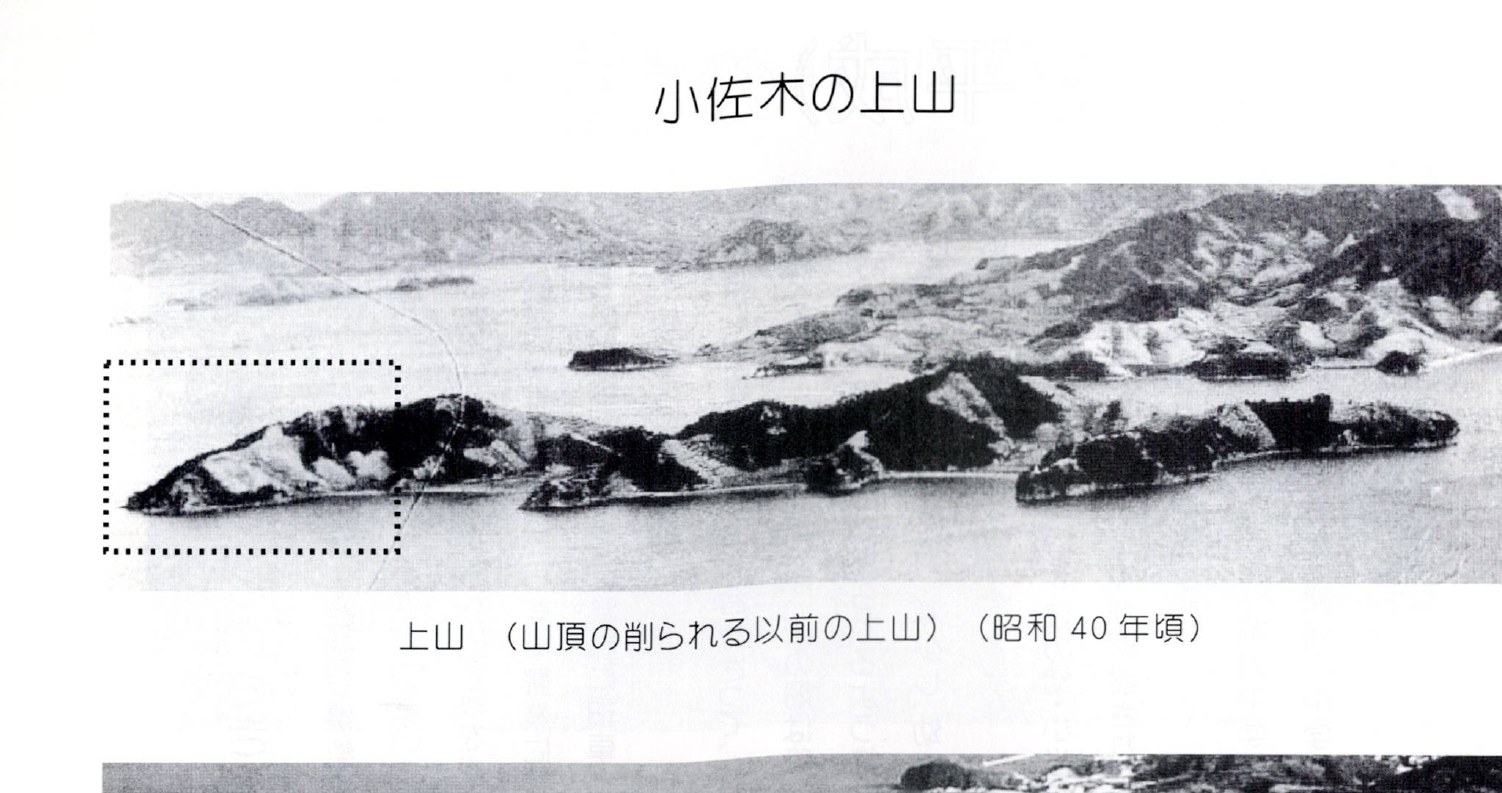
Kosagishima (小佐木島) is the small island that sits beside Sagishima and shares some of its ferry routes (Place/Geography.md). The island's documented history runs along two threads: the long chronicle of its single community shrine, known for most of its life as the Kōjin Shrine (荒神社), and a wooden-shipbuilding economy that flourished from the late nineteenth century and then vanished after the war. Kosagishima is also home to one of the Setouchi's stranger industrial artifacts: a shipway built in 1916 by a dock company that, by every reference record, never launched a single vessel from it.
小佐木島は佐木島の傍らにある小島で、一部のフェリー航路を共有している(Place/Geography.md)。この島の記録された歴史は二つの筋に分かれる。一つは、その大半の期間「荒神社」として知られた島唯一の共同体の神社の長い記録であり、もう一つは十九世紀後半に栄え戦後に消えた木造造船業である。小佐木島はまた、瀬戸内でも風変わりな産業遺構の一つを抱える。1916年(大正5年)にあるドック会社が築いた船台で、あらゆる参照記録によれば、そこから一隻の船も進水しなかったという。
Note for review / レビュー用注記 The facts below are drawn from two local histories, さぎしま讃歌 and 双鷺洲, and from primary documents those books quote (shrine ridge-plaques 棟札, dedications, founding prospectuses, prefectural records). Many proper-noun readings are reconstructed from kanji and are marked TENTATIVE; passages derived from classical or OCR-damaged Japanese are flagged. A native reader and a local historian should verify names, readings, and dates before this material is used outward-facing.
以下の事実は二つの郷土史『さぎしま讃歌』『双鷺洲』、およびそれらが引用する一次資料(神社の棟札、奉納、設立趣意書、県の記録など)に基づく。多くの固有名詞の読みは漢字からの推定であり「TENTATIVE(暫定)」と記す。古文・OCR破損箇所に由来する記述には注意書きを付した。対外利用の前に、母語話者および地元の郷土史家による確認が望ましい。
The Kōjin Shrine / Kokutsu Shrine / 荒神社・穀津神社
The island's principal shrine carries the densest documentary record on Kosagishima, preserved mainly through its ridge-plaques (棟札) and dedicated objects. For roughly seven decades in the twentieth century it bore a different name, Kokutsu Shrine (穀津神社), before reverting.
島の主たる神社は、小佐木島で最も濃密な文書記録を伝えており、その多くは棟札と奉納物を通じて残る。二十世紀のおよそ七十年間は「穀津神社」という別名を負い、のちに旧称へ戻った。
Edo-period record / 江戸期の記録
- In 1826 (Bunsei 9) a ridge-plaque (棟札) of the Kōjin Shrine reads roughly "Konryū Sanbō Kōjin [...] anzen" (建立三宝荒神〇安全), and a companion plaque reads "奉建小佐木島之神," dedicating the deity of Kosagishima (双鷺洲 p.118). 1826年(文政9年)の荒神社の棟札には「建立三宝荒神〇安全」とおおむね読める銘があり、対の棟札には「奉建小佐木島之神」とあって、小佐木島の神を祀る旨を記す(双鷺洲 p.118)。
- During the Tenpō era (1830 to 1844) a torii gate was donated to the Kōjin Shrine (双鷺洲 p.118). 天保年間(1830年から1844年)に荒神社へ鳥居が寄進された(双鷺洲 p.118)。
- In 1836 (Tenpō 7) two stone lanterns (燈籠2基) were donated to the Kōjin Shrine (双鷺洲 p.118). 1836年(天保7年)に荒神社へ石燈籠2基が寄進された(双鷺洲 p.118)。
- In 1841 (Tenpō 12) a pair of guardian lion-dogs (狛犬一対) was donated to the Kōjin Shrine (双鷺洲 p.118). 1841年(天保12年)に荒神社へ狛犬一対が寄進された(双鷺洲 p.118)。
- A 1859 (Ansei 6) ridge-plaque for the re-roofing of the main hall of Koura Shrine (小浦神社, reading TENTATIVE) bears the name "Kosagi-gumi Teishichi" (小佐木組 貞七, reading TENTATIVE) (双鷺洲 p.118). 1859年(安政6年)の小浦神社(読みTENTATIVE)本殿葺替の棟札には「小佐木組 貞七」(読みTENTATIVE)の名が見える(双鷺洲 p.118)。
- In 1863 (Bunkyū 3) the Kōjin Shrine worship hall (拝殿) was re-roofed; its ridge-plaque records "Kosagishima village office, Motoya Jinshirō" (小佐木島役場 元屋 甚四郎, reading TENTATIVE). The same year Motoya Jinshirō and Niiya Tōzaburō (新屋藤三郎, reading TENTATIVE) donated a stone hand-washing basin (手洗石鉢) to the shrine (双鷺洲 p.118). 1863年(文久3年)に荒神社の拝殿が葺替えられ、棟札には「小佐木島役場 元屋 甚四郎」(読みTENTATIVE)と記される。同年、元屋甚四郎と新屋藤三郎(読みTENTATIVE)が手洗石鉢を奉納した(双鷺洲 p.118)。
- A 1864 (Bunkyū 4) ridge-plaque for the construction of Anrakuji's Sanbō Kōjin shrine (安楽寺の三宝荒神社) bears the name "chō-byakushō rank, Motoya Jinshirō" (長百姓格 元屋甚四郎, reading TENTATIVE) (双鷺洲 p.118). 1864年(文久4年)の安楽寺三宝荒神社の建立棟札には「長百姓格 元屋甚四郎」(読みTENTATIVE)の名が見える(双鷺洲 p.118)。
Meiji and Taishō record / 明治・大正期の記録
- In 1880 (Meiji 13) two construction ridge-plaques were made: a Mishima-sha (三島社) plaque reading "大山積大神正幣拝殿造営正札" (Ōyamatsumi-no-ōkami worship-hall construction), and a Kōjin Shrine plaque reading "天照皇大御神正幣拝殿造営正札" (Amaterasu-sumeōmikami worship-hall construction). The same year Yoshimura Tōzaburō (吉村藤三郎) dedicated a votive tablet (額) to the Kōjin Shrine (双鷺洲 p.118). 1880年(明治13年)に二枚の造営棟札がつくられた。三島社の棟札は「大山積大神正幣拝殿造営正札」、荒神社の棟札は「天照皇大御神正幣拝殿造営正札」とある。同年、吉村藤三郎が荒神社へ額を奉納した(双鷺洲 p.118)。
- In 1881 (Meiji 14) a wooden board diagram of the vessel "Saiwaimaru" (幸丸, reading TENTATIVE) was dedicated to the Kōjin Shrine, and Yoshimura Yasusaburō (吉村保三郎, reading TENTATIVE) donated two stone lanterns (双鷺洲 p.118). 1881年(明治14年)に船「幸丸」(読みTENTATIVE)の板絵図が荒神社へ奉納され、吉村保三郎(読みTENTATIVE)が石燈籠2基を寄進した(双鷺洲 p.118)。
- In 1892 (Meiji 25) the Ikume Shrine (生目社 / 生目神社) was established; its ridge-plaque reads "安芸国豊田郡小鷺島生目神社祭祀棟札" (Aki Province, Toyota District, Kosagishima Ikume Shrine) (双鷺洲 p.119). 1892年(明治25年)に生目社(生目神社)が建立された。棟札には「安芸国豊田郡小鷺島生目神社祭祀棟札」とある(双鷺洲 p.119)。
- In 1895 (Meiji 28) Yoshimura Tōzaburō (吉村藤三郎) donated a stone hand-washing basin to the Kōjin Shrine (双鷺洲 p.119). 1895年(明治28年)に吉村藤三郎が荒神社へ手洗石鉢を奉納した(双鷺洲 p.119)。
- In 1906 (Meiji 39) Yoshimura Kikutarō (吉村菊太郎) donated a shimenawa pillar (注連柱) to the Kōjin Shrine; he is said to have run a timber-storage yard (貯木場) (双鷺洲 p.119, p.122). 1906年(明治39年)に吉村菊太郎が荒神社へ注連柱を寄進した。彼は貯木場を営んでいたという(双鷺洲 p.119、p.122)。
- In 1916 (Taishō 5) the Kōjin Shrine sanctuary (御殿) was repaired; its ridge-plaque reads "広島県豊田郡小鷺島荒神社御殿修繕" (Hiroshima Pref., Toyota District, Kosagishima Kōjin Shrine sanctuary repair) (双鷺洲 p.119). 1916年(大正5年)に荒神社の御殿が修繕された。棟札には「広島県豊田郡小鷺島荒神社御殿修繕」とある(双鷺洲 p.119)。
The master-builder rebuilding of 1892 / 明治25年の名匠による再建
In 1892 (Meiji 25) the Kōjin Shrine main hall (本殿) was rebuilt, the work of the noted Meiji-era master builder Abe Shinkichi of Sunoue (須波の阿部信吉), who served as master carpenter (棟梁); commissioning so renowned a builder is taken as evidence of the whole community's economic prosperity (双鷺洲 p.119, p.122-123).
1892年(明治25年)に荒神社の本殿が再建された。これは明治期の名匠、須波の阿部信吉が棟梁を務めた仕事で、これほどの名工に依頼できたことは、地域全体の経済的繁栄の証とされる(双鷺洲 p.119、p.122-123)。
Renaming, the postwar repairs, and the reversion / 改称・戦後の修理・旧称復帰
- In 1940 (Shōwa 15), commemorating Kōki 2600 (the 2600th year of the imperial era), the Kōjin Shrine was re-roofed; its ridge-plaque reads "奉葺替穀津神社," and at this time the shrine was renamed from Kōjin Shrine to Kokutsu Shrine (穀津神社, reading TENTATIVE) (双鷺洲 p.120). 1940年(昭和15年)、紀元2600年を記念して荒神社が葺き替えられた。棟札には「奉葺替穀津神社」とあり、このとき荒神社から穀津神社(読みTENTATIVE)へ改称された(双鷺洲 p.120)。
- From 1940 onward the shrine was venerated in Kosagi as "Kokutsu Shrine" until 2011 (双鷺洲 p.120). [The source prints "平成283年," which is a transcription error; the 2011 reversion entry confirms the period ended in Heisei 23 / 2011.] 1940年以降、この神社は小佐木で「穀津神社」として2011年まで崇敬された(双鷺洲 p.120)。〔出典は「平成283年」と印刷するが転記の誤りであり、2011年の復称の記述からこの期間が平成23年(2011年)で終わったことが確かめられる。〕
- In 1950 (Shōwa 25) the worship hall was thatch-re-roofed and repaired; the ridge-plaque reads "奉葺替修理小佐木荒神社正殿拝殿" (双鷺洲 p.120). 1950年(昭和25年)に拝殿が葺き替えられ修理された。棟札には「奉葺替修理小佐木荒神社正殿拝殿」とある(双鷺洲 p.120)。
- In 1960 (Shōwa 35) a ridge-plaque records the repair of Kokutsu Shrine; in 1971 (Shōwa 46) re-roofing repair was carried out; in 1983 (Shōwa 58) re-roofing repair was again carried out; and in 1997 (Heisei 9) the foundation and ambulatory (基礎廻廊) were repaired (双鷺洲 p.120-121). 1960年(昭和35年)の棟札は穀津神社の修理を記す。1971年(昭和46年)に葺替修理、1983年(昭和58年)に再び葺替修理、1997年(平成9年)に基礎廻廊の修理が行われた(双鷺洲 p.120-121)。
- In 2011 (Heisei 23) the worship hall was renovated, with a ridge-plaque reading "奉荒神社拝殿改修竣工奉告祭一宇," and the shrine name, which had been Kokutsu Shrine, reverted to Kōjin Shrine (双鷺洲 p.121). 2011年(平成23年)に拝殿が改修され、棟札には「奉荒神社拝殿改修竣工奉告祭一宇」とある。穀津神社と称していた社名は荒神社へ復した(双鷺洲 p.121)。
Shipbuilding / 造船業
For roughly a century Kosagishima carried a wooden-shipbuilding economy out of all proportion to its size, then lost it entirely. The shrine record is itself the earliest evidence of the trade.
小佐木島はおよそ一世紀にわたり、その島の大きさに不釣り合いな木造造船業を抱え、のちにそれを完全に失った。神社の記録そのものが、この生業の最も早い証跡である。
- The 1880 construction of the Kōjin Shrine main offering-hall (正幣拝殿) and Mishima-sha, together with the votive tablets (Yoshimura Tōzaburō's 1880 dedication and the 1881 board diagram of Ōmori Toyohei's ship, 大森豊平, reading TENTATIVE), indicate that shipbuilding was already flourishing by that time, though its scale is unknown (双鷺洲 p.122). 1880年の荒神社正幣拝殿と三島社の造営、ならびに奉納額(1880年の吉村藤三郎の奉納と、1881年の大森豊平(読みTENTATIVE)の船の板絵図)は、その頃すでに造船が盛んであったことを示す。ただしその規模は不明である(双鷺洲 p.122)。
- Yoshimura Kikutarō (吉村菊太郎) is said to have owned a mountain in Miyazaki, Kyushu (宮崎), run a timber-storage yard (貯木場) on Kosagi, and supplied the timber used by the shipyards (双鷺洲 p.122). 吉村菊太郎は九州・宮崎に山を持ち、小佐木で貯木場を営み、造船所が用いる材木を供給したという(双鷺洲 p.122)。
- The Yoshimura shipyard (吉村造船所), run by Yoshimura Tōzaburō, was, in 1917 (Taishō 6), taken over by Yoshimura Jitarō (吉村次太郎, reading TENTATIVE) and Yoshimura Kanjirō (吉村勘次郎). After Tōzaburō's death (1915) and the takeover (1917), the yard faced a recession compounded by new shipyards at Itozaki and Setoda (糸崎・瀬戸田); in 1919 (Taishō 8) the Sagi salt field was sold off as a countermeasure, but in 1920 (Taishō 9) the Yoshimura shipyard closed (双鷺洲 p.119, p.122-123). 吉村藤三郎が営む吉村造船所は、1917年(大正6年)に吉村次太郎(読みTENTATIVE)と吉村勘次郎へ引き継がれた。藤三郎の没後(1915年)と継承(1917年)ののち、糸崎・瀬戸田の新たな造船所も加わって不況に見舞われ、1919年(大正8年)に対策として佐木の塩田が売却されたが、1920年(大正9年)に吉村造船所は閉鎖された(双鷺洲 p.119、p.122-123)。
- Even after the Yoshimura yard closed, Kosagi retained high shipbuilding skill and had six shipyards into the early Shōwa period (the Shōwa-20s, 1945 to 1954). They built fishing boats for Mihara, Kōzaki (幸崎, reading TENTATIVE), and Yoshiwa (吉和, reading TENTATIVE) and farm-boats for nearby villages, employing many itinerant carpenters from elsewhere. After the war wooden boats gave way to synthetic-resin boats, and Kosagi's shipbuilding industry disappeared (双鷺洲 p.120, p.123). 吉村造船所の閉鎖後も、小佐木は高い造船技術を保ち、昭和初期(昭和20年代、1945年から1954年)まで6軒の造船所を有した。三原・幸崎(読みTENTATIVE)・吉和(読みTENTATIVE)の漁船や近隣の村の農船を建造し、他所から来る多くの渡りの船大工を雇った。戦後、木造船は合成樹脂船に取って代わられ、小佐木の造船業は消滅した(双鷺洲 p.120、p.123)。
The phantom shipyard at Kitaura / 北浦の幻の造船所
One of Kosagishima's most distinctive features is an industrial ruin that never operated: a shipway at Kitaura (北浦) built around an aborted plan to site a dock company on the island.
小佐木島の最も特徴的な事物の一つは、ついに稼働しなかった産業遺構である。北浦の船台で、頓挫したドック会社誘致計画の名残として築かれたものである。
- In 1916 (Taishō 5) a shipyard of the Itozaki dock (糸崎ドック) was planned on Kosagishima, and a shipway and other works were built, but it was never completed and no shipbuilding was done there (双鷺洲 p.119, p.126). 1916年(大正5年)に小佐木島に糸崎ドックの造船所が計画され、船台などが築かれたが、完成せず、そこで造船は行われなかった(双鷺洲 p.119、p.126)。
- At Kitaura (北浦) there remain the ruins of a shipway (船台跡); locals say it is the shipway of a yard built by Itozaki Senkyo K.K. (糸崎船渠株式会社). The shipway is said to have been built in 1916 (Taishō 5), but it is said that not a single ship was ever built using it (双鷺洲 p.126). 北浦には船台跡が残る。地元では糸崎船渠株式会社が築いた造船所の船台だという。船台は1916年(大正5年)に築かれたとされるが、それを用いて一隻の船も造られなかったという(双鷺洲 p.126)。
- Itozaki Senkyo K.K. founding documents (a founding prospectus, business plan, and draft articles) describe a plan to site a dock and ship-repair business on Kosagishima. The prospectus cites the island's abundant fresh water, hard ground ideal for cutting dry-docks, deep surrounding water for mooring large ships, and proximity to Itozaki port (within half a ri / 半里 across the strait), Kure naval port (呉軍港) and Ujina port (宇品港), with a midway position between Osaka and Moji (大阪と門司) (双鷺洲 p.126). 糸崎船渠株式会社の設立文書(設立趣意書・事業計画・定款案)は、小佐木島にドックおよび船舶修理業を置く計画を記す。趣意書は、島の豊富な淡水、乾ドックを掘るのに適した堅い地盤、大船を係留できる周囲の深い海、海峡を隔てて半里以内という糸崎港・呉軍港・宇品港への近接、そして大阪と門司の中間という位置を挙げる(双鷺洲 p.126)。
- The draft articles state the company name is Itozaki Senkyo K.K. (糸碕船渠株式会社, Art. 1); its head office is in Osaka City (大阪市) with a factory on Kosagishima, Toyota District, Hiroshima Prefecture (広島県豊田郡小佐木島), and branch and business offices at Itozaki etc. as needed (Art. 2); its business objects (Art. 3) include dock and salvage operations, the new-build and repair of ships, steam engines, boilers and machinery, plus the manufacture and sale of related wood- and iron-work (双鷺洲 p.126). 定款案は、社名を糸碕船渠株式会社(第1条)とし、本店を大阪市に置き、工場を広島県豊田郡小佐木島に、必要に応じて糸崎などに支店・営業所を置くとする(第2条)。事業目的(第3条)には、ドックおよびサルベージ業、船舶・蒸気機関・汽缶・機械の新造と修理、ならびに関連する木工・鉄工品の製造販売を含む(双鷺洲 p.126)。
- Reference works (the Hiroshima Prefecture Statistical Book 広島県統計書 and the Factory Directory 工場通覧) contain no record of Itozaki Senkyo K.K. having built a shipyard on Kosagi. The 工場通覧 instead lists Itozaki Zōsen K.K. (糸崎造船株式会社): products, wooden sailing vessels and auxiliary-engine wooden sailing vessels; location, Mitsugi District, Itozaki-chō (御調郡糸崎町); founding, Taishō 6 to 7 (1917 to 1918); workers, 108 men (双鷺洲 p.126, citing 広島県統計書 / 工場通覧). 参照資料(広島県統計書・工場通覧)には、糸崎船渠株式会社が小佐木に造船所を築いたという記録がない。工場通覧はかわりに糸崎造船株式会社を載せる。製品は木造帆船と補助機関付木造帆船、所在は御調郡糸崎町、創業は大正6年から7年(1917年から1918年)、職工は男108人である(双鷺洲 p.126、広島県統計書・工場通覧より)。
- A shipyard was originally planned for Kosagishima: land was bought, sea-surface reclamation of more than 6,000 tsubo / 坪 was authorized, and a shipway was built. The plan was then changed for unknown reasons and the yard was instead built at Itozaki; thus the Kosagi "Itozaki shipyard" became a phantom yard (幻の造船所) where no ship was built (双鷺洲 p.126). 本来は小佐木島に造船所が計画され、用地が買われ、6,000坪余の海面埋立が認可され、船台が築かれた。のちに不明の理由で計画が変更されて糸崎に造船所が建てられた。こうして小佐木の「糸崎造船所」は、一隻も造られなかった幻の造船所となった(双鷺洲 p.126)。
Reading and naming notes for this section / 本節の読み・表記の注記 The company name appears in the source as both 糸崎船渠株式会社 and 糸碕船渠株式会社 (the second character varies, 崎 / 碕); both are preserved above. 糸崎ドック (Itozaki dock), 糸崎船渠 (Itozaki Senkyo K.K.), and 糸崎造船 (Itozaki Zōsen K.K.) appear to name distinct or overlapping entities and should be disentangled by a local historian; the relationship is left unresolved here.
出典では社名が「糸崎船渠株式会社」とも「糸碕船渠株式会社」とも現れる(二字目が崎・碕で揺れる)。両表記を上に残した。糸崎ドック、糸崎船渠株式会社、糸崎造船株式会社は別個の、あるいは重なり合う主体を指すと見られ、その関係は地元の郷土史家による解きほぐしを要する。ここでは未解決のままとする。
Infrastructure, wartime use, and the modern island / 基盤整備・戦時利用・現在の島
- In 1944 (Shōwa 19) an Army Ordnance Depot fuel-storage facility (陸軍兵器廠の燃料貯蔵所) was built at Kitaura (北浦) on Kosagishima (双鷺洲 p.120, p.123). 1944年(昭和19年)、小佐木島の北浦に陸軍兵器廠の燃料貯蔵所が築かれた(双鷺洲 p.120、p.123)。
- In 1944 (Shōwa 19) an electric line was run to Kosagishima from the mountain at Nanase (七瀬) in Sagi, and electric lighting was installed, bringing electricity to Kosagi for the first time (双鷺洲 p.120, p.123). 1944年(昭和19年)、佐木の七瀬の山から小佐木島へ送電線が引かれ、電灯が灯され、小佐木に初めて電気がもたらされた(双鷺洲 p.120、p.123)。
- In 1971 (Shōwa 46) Kosagi's farm roads (農道) were improved, with completion in 1974 (Shōwa 49) (双鷺洲 p.120). 1971年(昭和46年)に小佐木の農道が整備され、1974年(昭和49年)に完成した(双鷺洲 p.120)。
- In 1977 (Shōwa 52) the Kosagi community hall (小佐木公民館) was built (双鷺洲 p.121). 1977年(昭和52年)に小佐木公民館が建てられた(双鷺洲 p.121)。
Village-head essay (村長随筆) / 村長の随筆より
A sea-bathing beach (海水浴場) developed by the Mihara Chamber of Commerce and Industry and Sanbun Kankō (三原商工会議所・山文観光, reading TENTATIVE) once prospered, and as of 2015 was closed (双鷺洲 p.123).
三原商工会議所と山文観光(読みTENTATIVE)が開発した海水浴場はかつて栄えたが、2015年時点で閉鎖されていた(双鷺洲 p.123)。
From around 1971 (Shōwa 46), under special remote-island development measures, island infrastructure advanced (seawall works, a perimeter road / 一周道路, harbor improvement, pier installation), but the island became one of mostly elderly: as of 2015 there were 20 households, 41 people, only 6 under 60, and 4 commuting to work in Mihara City (双鷺洲 p.123).
1971年(昭和46年)頃から、離島振興の特別措置のもとで島の基盤整備が進んだ(護岸工事、一周道路、港湾改良、桟橋の設置)が、島は大半が高齢者のものとなった。2015年時点で、20世帯、41人、60歳未満はわずか6人、三原市へ通勤する者は4人であった(双鷺洲 p.123)。
Review and conflict notes / 確認と齟齬の注
- Demographics scope (not a contradiction, but flag to prevent confusion): the figure of 20 households / 41 people / 6 under 60 is for Kosagishima (小佐木島), the small neighboring island, NOT for Sagishima (佐木島) proper. The wiki's People/Demographics page records roughly 580 to 600 people for Sagishima itself. These describe two different islands and must not be conflated. CONFLICTS-WATCH: confirm the date and source-internal context of the 41-person Kosagishima figure before any outward use (双鷺洲 p.123). 人口の範囲(矛盾ではないが混同防止のため明記):20世帯・41人・60歳未満6人という数値は、隣接する小島の小佐木島のものであり、佐木島本体のものではない。本ウィキのPeople/Demographicsは佐木島本体をおよそ580人から600人と記す。両者は別の島を述べており、混同してはならない。対外利用の前に、小佐木島41人の数値の年代と本書内の文脈を確認のこと(双鷺洲 p.123)。
- Date typo flagged inline: the source prints the 1892 main-hall rebuilding as "明治25年(1982)," but Meiji 25 equals 1892, so the parenthetical "1982" is an obvious typo for 1892 (double-checked against p.122-123) (双鷺洲 p.119, p.123). 逐次注記の年代誤記:出典は1892年の本殿再建を「明治25年(1982)」と印刷するが、明治25年は1892年であり、括弧内の「1982」は明らかに1892の誤記である(p.122-123と照合)(双鷺洲 p.119、p.123)。
- Transcription error flagged inline: the Kokutsu Shrine veneration period is printed as ending in "平成283年," an impossible transcription error; the 2011 reversion entry establishes the period as 1940 to Heisei 23 / 2011 (双鷺洲 p.120-121). 逐次注記の転記誤り:穀津神社の崇敬期間の終わりが「平成283年」と印刷されるが、これはあり得ない転記の誤りである。2011年の復称の記述から、期間は1940年から平成23年(2011年)までと確定する(双鷺洲 p.120-121)。
- Variant island name: the ridge-plaques of 1892 and 1916 write the island as 小鷺島, an older or variant form of 小佐木島; both refer to Kosagishima (双鷺洲 p.119). 島名の異表記:1892年と1916年の棟札は島を「小鷺島」と記し、これは小佐木島の古形ないし異表記である。いずれも小佐木島を指す(双鷺洲 p.119)。
- Company-name variation (糸崎船渠 / 糸碕船渠) and the relationship among 糸崎ドック, 糸崎船渠株式会社, and 糸崎造船株式会社 are flagged in the shipyard section above; HELD for a local historian. 社名の揺れ(糸崎船渠・糸碕船渠)、ならびに糸崎ドック・糸崎船渠株式会社・糸崎造船株式会社の関係は、上の造船節で注記した。郷土史家の判断のため保留する。
- Romanization: per house rules, Japanese is authoritative. 小佐木島 = Kosagishima, 小佐木 / 小佐木組 = Kosagi / Kosagi-gumi, 佐木 = Sagi, 糸崎 = Itozaki, 瀬戸田 = Setoda, 七瀬 = Nanase, 北浦 = Kitaura, 須波 = Sunoue. Book romaji has been disregarded. ローマ字表記:内規により日本語を正とする。小佐木島=Kosagishima、小佐木/小佐木組=Kosagi/Kosagi-gumi、佐木=Sagi、糸崎=Itozaki、瀬戸田=Setoda、七瀬=Nanase、北浦=Kitaura、須波=Sunoue。書籍のローマ字は採用していない。
- Many personal-name and minor place-name readings are marked TENTATIVE and need local-historian or native-speaker review before formal use (e.g. 小浦神社, 元屋甚四郎, 新屋藤三郎, 幸丸, 吉村保三郎, 大森豊平, 吉村次太郎, 穀津神社, 幸崎, 吉和, 山文観光). 人名・小地名の読みの多くは「TENTATIVE(暫定)」とし、正式使用の前に郷土史家または母語話者の確認を要する(例:小浦神社・元屋甚四郎・新屋藤三郎・幸丸・吉村保三郎・大森豊平・吉村次太郎・穀津神社・幸崎・吉和・山文観光)。
Sources / 出典
- Sōroshū (双鷺洲): pp.118 to 123, 126. This page draws principally on 双鷺洲, which itself quotes deeper primaries: surviving Kōjin / Kokutsu Shrine ridge-plaques (棟札) and dedicated objects (1826 to 2011); the Itozaki Senkyo K.K. founding documents (設立趣意書・事業計画・定款案); and reference works it cites by name, the Hiroshima Prefecture Statistical Book (広島県統計書) and the Factory Directory (工場通覧). Those underlying primaries are the true sources and are noted inline where the book names them.
- Sagishima Sanka (さぎしま讃歌): consulted alongside 双鷺洲 for context; no fact on this page rests on 讃歌 alone.
Bibliography note / 出典一覧についての注 As of 2026-06-03, neither Sōroshū (双鷺洲) nor Sagishima Sanka (さぎしま讃歌) yet has a key in
_sources/bibliography.md. Both are local-history volumes already cited across several draft pages (Sunoue, Other Districts). They should be added to the bibliography with stable keys before these drafts are merged, and thesources:frontmatter on this page updated to those keys. 2026年6月3日時点で、『双鷺洲』も『さぎしま讃歌』も_sources/bibliography.mdに鍵(key)を持たない。両書はすでに複数のドラフト(須ノ上、その他の地区)で引用されている郷土史である。これらのドラフトを統合する前に、安定した鍵とともに出典一覧へ加え、本ページのsources:フロントマターをその鍵に更新すべきである。