draft
Historical Agriculture / かつての農業
How Sagishima farmed before the mid-twentieth-century shift to citrus and greenhouse crops: the terraced "cultivate up to the sky" landscape, the three heritage staples (sweet potato, pyrethrum, wheat and barley), salt-making, livestock, tools, and the potato-saint tradition. For the island's living, present-day agriculture (citrus, melons, the asparagus revitalization), see Agriculture Today.
二十世紀半ばに柑橘とハウス作物へ転換する以前、佐木島がどう耕してきたかを扱う。すなわち「耕して天に至る」段々畑の景観、三つの主要作物(さつまいも・除虫菊・麦)、製塩、家畜、道具、そして芋の聖の伝承である。島の現在の農業(柑橘・メロン・アスパラガスの取り組み)については、現在の農業を参照。
All facts below are drawn from two primary local histories, さぎしま讃歌 and 双鷺洲. Where 双鷺洲 quotes a still-older source (e.g. 三原市史) the deeper source is named. Japanese names and dates are authoritative; the books' own English/romaji is unreliable and is not used. Readings marked (TENTATIVE) and any classical-Japanese-derived figures need native-reader and local-historian review before formal use.
以下の事実はすべて、二つの一次的な郷土史である『さぎしま讃歌』と『双鷺洲』による。『双鷺洲』がさらに古い資料(例:三原市史)を引いている場合は、その奥の資料を記す。人名・地名・年代は日本語を典拠とし、書籍自身の英語表記やローマ字は用いない。(TENTATIVE) と記した読みや、古文書由来の数値は、正式な使用の前に母語話者および郷土史家の確認を要する。
"Cultivate up to the sky" / 耕して天に至る
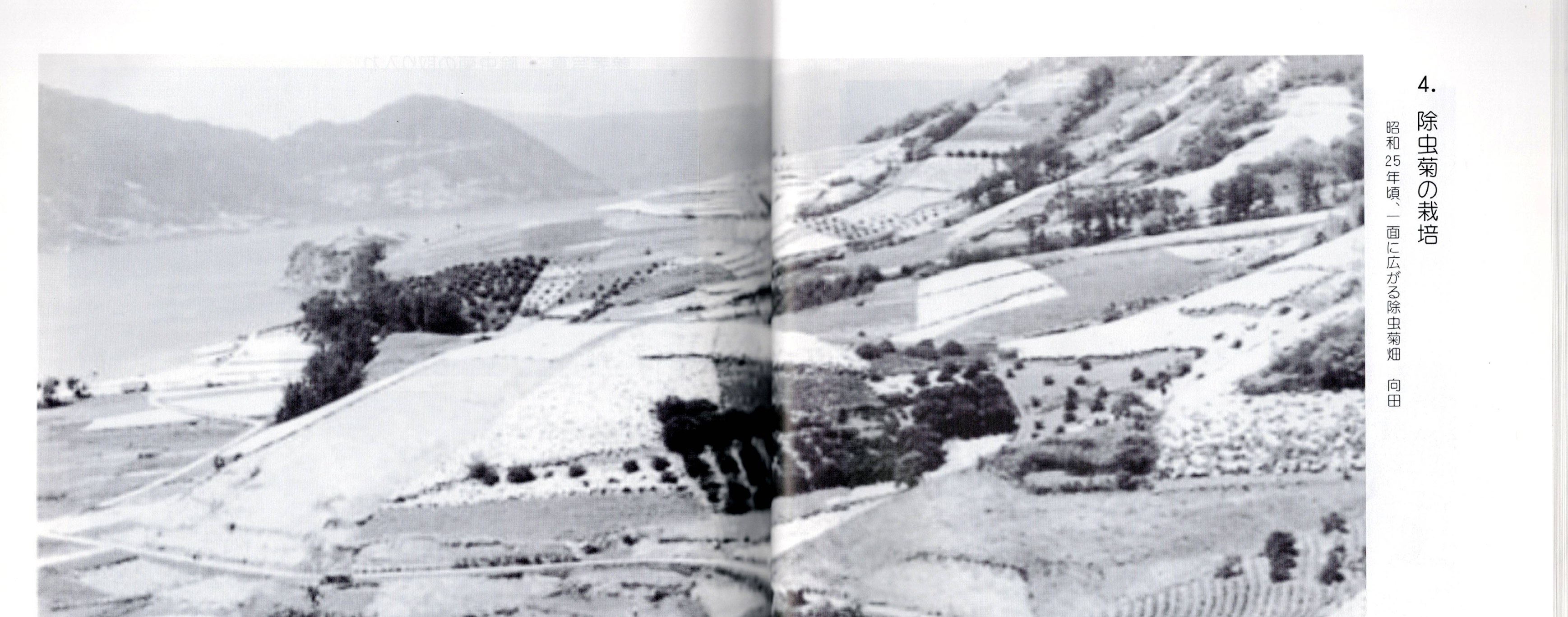
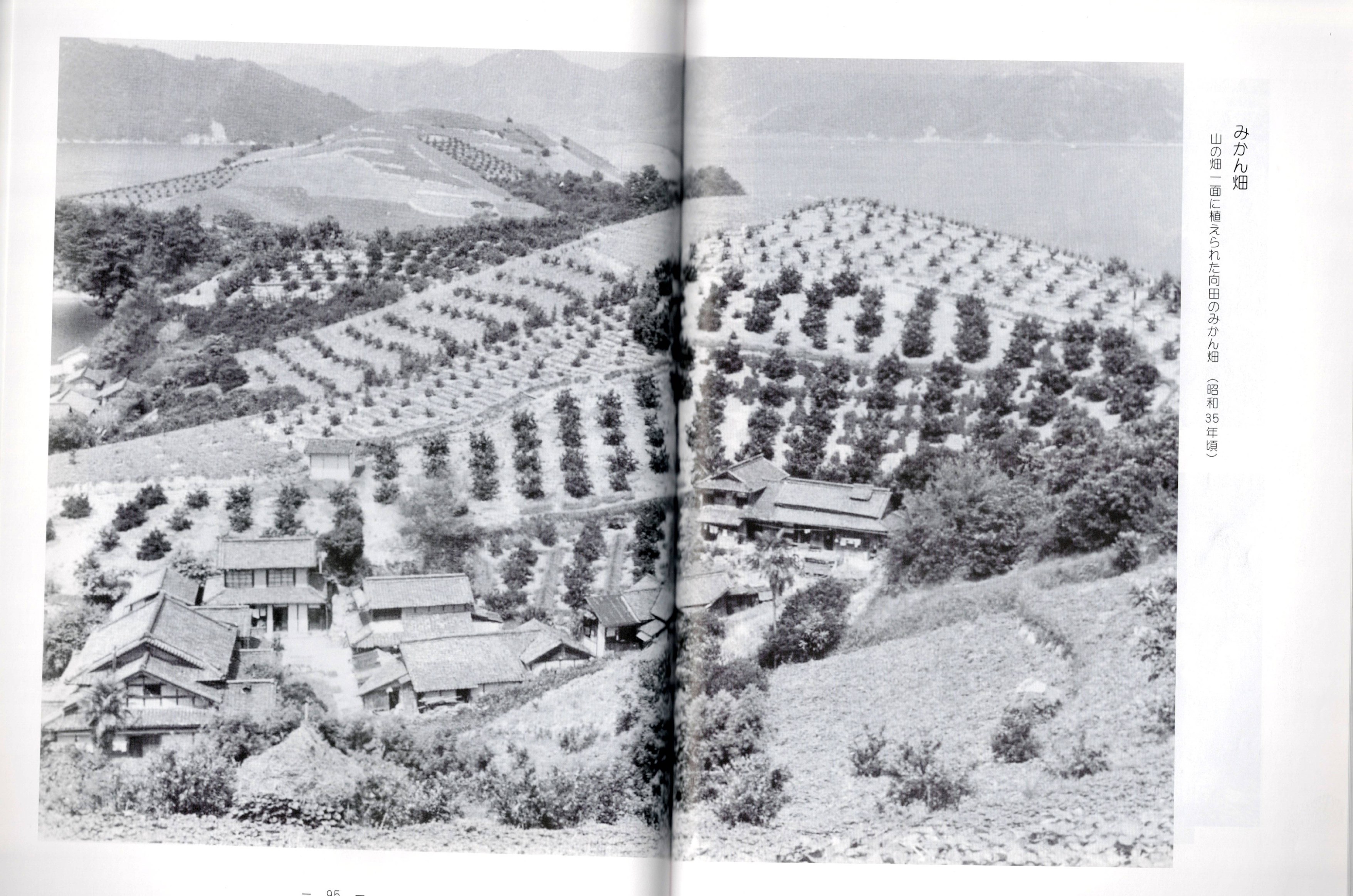
Sagishima's defining agricultural image is the phrase 耕して天に至る ("cultivate the land up to the heavens"), describing terraced fields worked all the way to the mountaintops. It is applied to the Seto Inland Sea islands in general and to Sagishima in particular (さぎしま讃歌 p.1, p.8). This is the same landscape seen in Kaneto Shindo's 1960 footage; the phrase is the islanders' own name for it.
佐木島の農業を象徴する言葉が「耕して天に至る」である。山頂まで耕された段々畑を表し、瀬戸内の島々一般、とりわけ佐木島についてこの語が用いられる(『さぎしま讃歌』p.1, p.8)。これは新藤兼人の1960年の映像に見る景観そのものであり、この言葉は島人自身がそれに与えた名である。
Because the island had so little flat land, residents continually expanded their arable ground by clearing wasteland and mountainside and by reclaiming and filling land around the island's edge (さぎしま讃歌 p.11). The soil is sandy, weathered-granite soil and annual rainfall is low, so farming was extremely poor; people historically lived on barley, millet (kibi) and foxtail millet (awa), and life eased only somewhat once cotton came to be grown (さぎしま讃歌 p.15; the same account appears in 双鷺洲 p.243). The greatest danger on the bald hillside fields was bare soil struck by rain, so crop stalks and seaweed, which held water and rotted into fertilizer, were prized for both feeding and protecting the fields (さぎしま讃歌 p.52).
平地が乏しかったため、住民は荒地や山を切り開き、島の周囲を埋め立て・干拓して、たえず耕地を広げていった(『さぎしま讃歌』p.11)。土壌は花崗岩が風化した砂質で年間降水量も少なく、農業は極めて貧しく、人々は古くは麦・きび・あわで暮らし、綿が作られるようになってようやく暮らしが幾らか楽になった(『さぎしま讃歌』p.15。同じ記述は『双鷺洲』p.243 にもある)。禿げた斜面の畑で最も恐れられたのは、むき出しの土が雨に打たれることであり、保水し腐って肥料となる作物の茎や藻は、畑を養いかつ守るものとして重んじられた(『さぎしま讃歌』p.52)。
A chronology of crops / 作物の年表
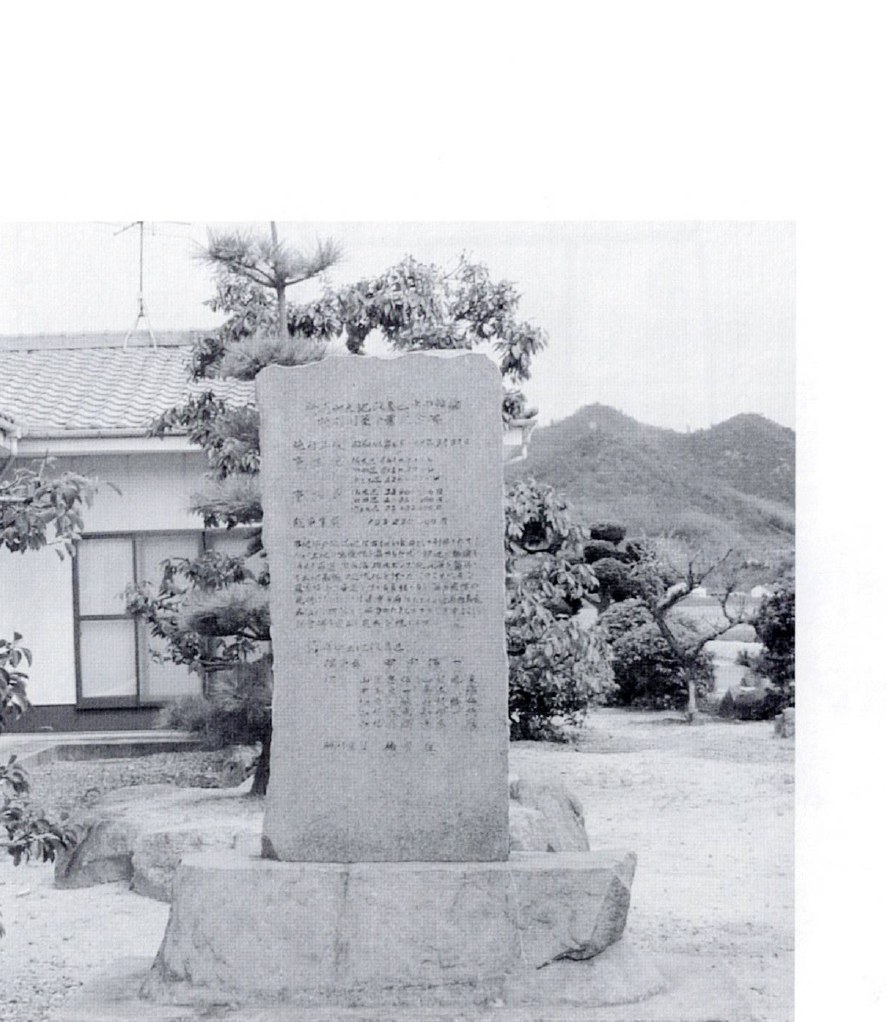
A long timeline can be assembled for the island's crops. Dates are kept in both Western and era form; where the records disagree, both are shown.
島の作物については長い年表が得られる。年代は西暦と元号の両方を残し、記録が食い違う場合は両方を示す。
- 1683 (Tenna 3): Sweet-potato seed was distributed to nearby islands including Ikuchijima, Takanejima, Mukōda village, Innoshima Shigei, and Iwagijima (さぎしま讃歌 p.26; 双鷺洲 p.243, p.260). No record shows it reaching Sagi (the Bingo Province side) at this time (さぎしま讃歌 p.26). 1683年(天和3): 生口島・高根島・向田村・因島重井・岩城島などの近隣の島々にさつまいもの種が配られた(『さぎしま讃歌』p.26;『双鷺洲』p.243, p.260)。この時点で佐木(備後国側)に伝わった記録はない(『さぎしま讃歌』p.26)。
- 1711 (Shōtoku 1): Shimomi/Shitami Kichijūrō (reading TENTATIVE; in this Setouchi sweet-potato context often read Asami) of Ōmishima brought back a rot-resistant variety from Satsuma and spread it; it is thought to have reached Mukōda and Sunoue around the same time it reached Ikuchijima (双鷺洲 p.243, p.260; さぎしま讃歌 p.27, p.30). 1711年(正徳1): 大三島の下見吉十郎(読みは TENTATIVE。瀬戸内のさつまいも文脈では「あさみ」とも)が薩摩から腐りにくい品種を持ち帰り広めた。生口島に伝わったのとほぼ同じ頃に向田・須ノ上にも及んだとされる(『双鷺洲』p.243, p.260;『さぎしま讃歌』p.27, p.30)。
- 1805 (Bunka 2): By local tradition a bride who married into Sagi from Innoshima Shigei introduced the rot-resistant sweet potato; this is considered the most likely route by which it reached Sagi (さぎしま讃歌 p.27; 双鷺洲 p.110, p.244, p.260). 1805年(文化2): 言い伝えでは、因島重井から佐木へ嫁いだ女性が腐りにくいさつまいもを伝えたとされ、佐木に伝わった経路として最も有力とされる(『さぎしま讃歌』p.27;『双鷺洲』p.110, p.244, p.260)。
- 1822 (Bunsei 5): Land reclamation (開作) on Kosagishima, recorded as 1 chō 4 se 6 bu / 1 chō 4 tan (双鷺洲 p.81, p.118; さぎしま讃歌-adjacent record 双鷺洲 p.80). 1822年(文政5): 小佐木島で開作が行われ、1町4畝6歩/1町4反と記録される(『双鷺洲』p.81, p.118, p.80)。
- 1823 (Bunsei 6): Sweet-potato planting was being done at Sagi; that year saw a continuous 77-day drought after planting, prompting rain-prayer rituals (双鷺洲 p.82, p.83, p.244, p.260). 1823年(文政6): 佐木でさつまいもの植え付けが行われていた。その年は植え付け後に77日間の日照りが続き、各地で雨乞いが行われた(『双鷺洲』p.82, p.83, p.244, p.260)。
- 1826 (Bunsei 9): Uplands were cleared and pears, peaches, persimmons and other fruit cultivated (さぎしま讃歌 p.15; 双鷺洲 p.244). 1826年(文政9): 高地が開かれ、梨・桃・柿などの果樹が作られた(『さぎしま讃歌』p.15;『双鷺洲』p.244)。
- c.1874 (Meiji 7) to c.1935 (Shōwa 10): Sericulture (silk farming) was practiced (双鷺洲 p.244). 明治7(1874)頃〜昭和10(1935)頃: 養蚕が行われた(『双鷺洲』p.244)。
- 1892 (Meiji 25): Mandarin oranges, grapes, corn, and millet (kibi) were grown (さぎしま讃歌 p.16; 双鷺洲 p.244). 1892年(明治25): みかん・ぶどう・とうもろこし・きびが作られた(『さぎしま讃歌』p.16;『双鷺洲』p.244)。
- c.1897 (Meiji 30): Tororoaoi (kaminori; a paper-mucilage / sunset-hibiscus plant, 黄蜀葵) was cultivated and silk-pod peas (kinusaya endō) spread (さぎしま讃歌 p.16; 双鷺洲 p.245). 明治30(1897)頃: トロロアオイ(かみのり)が作られ、絹鞘エンドウも広まった(『さぎしま讃歌』p.16;『双鷺洲』p.245)。
- 1907 / 1910 (Meiji 40 / Meiji 43): Murakami Kanbei (reading TENTATIVE; one book writes 村上勘兵衛, the other 村上郡兵衛 Gunbei) of Innoshima Shigei spread pyrethrum (除虫菊) to Sagishima. The two books disagree on the year: さぎしま讃歌 p.16 gives 1907 (Meiji 40); 双鷺洲 p.245, p.261 give 1910 (Meiji 43). From then until about 1955 the island "decorated" the Seto Inland Sea with naked barley and pyrethrum (さぎしま讃歌 p.16; 双鷺洲 p.245). 1907/1910年(明治40/明治43): 因島重井の村上勘兵衛(読みは TENTATIVE。一方の書は「村上勘兵衛」、もう一方は「村上郡兵衛」と記す)が除虫菊を佐木島に広めた。二冊で年が食い違う:『さぎしま讃歌』p.16 は1907年(明治40)、『双鷺洲』p.245, p.261 は1910年(明治43)。 以後およそ1955年まで、島は裸麦と除虫菊で瀬戸内海を彩った(『さぎしま讃歌』p.16;『双鷺洲』p.245)。
- c.1930 (Shōwa 5): Tobacco cultivation began (さぎしま讃歌 p.16, p.88; 双鷺洲 p.245). 昭和5(1930)頃: たばこ栽培が始まった(『さぎしま讃歌』p.16, p.88;『双鷺洲』p.245)。
- 1935 (Shōwa 10): Sagiura Village's products were naked barley, wheat, sweet potato, tororoaoi, rice, pyrethrum, mulberry leaves, tobacco, peas, broad beans, cowpeas, soybeans, burdock, igusa (rush), and gourd/melon; marine/forest products included bamboo shoots, salt, and seaweed; fruits included pear, grape, fig, navel orange, natsumikan, persimmon, peach, and mikan (さぎしま讃歌 p.16; 双鷺洲 p.245). 1935年(昭和10): 鷺浦村の産物は裸麦・小麦・甘藷・トロロアオイ・米・除虫菊・桑葉・たばこ・豌豆・そら豆・ささげ・大豆・ごぼう・イ草・瓜であり、林海産物には筍・塩・海藻、果実には梨・ぶどう・いちじく・ネーブル・夏みかん・柿・桃・みかんがあった(『さぎしま讃歌』p.16;『双鷺洲』p.245)。
- 1943 (Shōwa 18): Mihata Kōichi (御畑興市, reading TENTATIVE; 双鷺洲 p.260 records the surname uncertainly) of Sagi developed wartime sweet-potato varieties Kōkei No. 4, Nōrin No. 1 and No. 2 (さぎしま讃歌 p.16; 双鷺洲 p.245). 1943年(昭和18): 佐木の御畑興市(読みは TENTATIVE。『双鷺洲』p.260 は姓を不確かに記す)が、戦時の食糧増産用に高系四号・農林一号・二号を育成した(『さぎしま讃歌』p.16;『双鷺洲』p.245)。
- 1946 (Shōwa 21): Mihata Kōichi was named Japan's No. 1 sweet-potato grower (甘藷づくり日本一); in 1948 (Shōwa 23) he is said to have given a presentation in the presence of the Shōwa Emperor (さぎしま讃歌 p.17; 双鷺洲 p.245, p.260). 1946年(昭和21): 御畑興市が甘藷づくり日本一となり、1948年(昭和23)には昭和天皇の御前で高話を行ったとされる(『さぎしま讃歌』p.17;『双鷺洲』p.245, p.260)。
- c.1950 (Shōwa 25): Tobacco boom (about two-thirds of farm households grew it, lasting roughly a decade); potatoes (bareisho) planted as a follow-on crop; dairy cattle began replacing draft cattle; geraniums grown; designated a "Field-Crop Farming Improvement Pilot District" (畑作営農改善試験地区) by the Ministry of Agriculture and Forestry (さぎしま讃歌 p.21, p.22, p.62, p.90; 双鷺洲 p.245, p.246). 昭和25(1950)頃: たばこの大ブーム(約三分の二の農家が作付けし約10年続く)、後作としての馬鈴薯、役牛に代わる乳牛の飼育開始、ゼラニウム栽培、農林省による「畑作営農改善試験地区」指定(『さぎしま讃歌』p.21, p.22, p.62, p.90;『双鷺洲』p.245, p.246)。
- 1952 (Shōwa 27): Under guidance of Ogawa Kōryō (小川香料), geranium was grown as a fragrance crop; introduced vetiver grass (hachijō-gaya) prevented topsoil loss, served as windbreak and as mikan-orchard mulch, was still widely planted around 1973, and was exported to other islands (さぎしま讃歌 p.23; 双鷺洲 p.246). 1952年(昭和27): 小川香料の指導のもと香料作物としてゼラニウムが作られ、導入されたベチバ(ハチジョウガヤ)は表土流失を防ぎ、防風やみかん園の敷草の代わりとなり、1973年頃まで広く植えられ、他島へも移出された(『さぎしま讃歌』p.23;『双鷺洲』p.246)。
- c.1955 (Shōwa 30): Cultivation shifted from sweet potato, barley, and pyrethrum mainly to citrus; mikan was encouraged even on relatively steep slopes for the double benefit of preventing soil runoff and earning cash, greening the whole island (さぎしま讃歌 p.24, p.91-92; 双鷺洲 p.247, p.249). 昭和30(1955)頃: さつまいも・麦・除虫菊から柑橘中心へと転換。ミカンは比較的急な斜面にも、土砂流失防止と現金収入の二重の利益のために奨励され、島全体を緑にした(『さぎしま讃歌』p.24, p.91-92;『双鷺洲』p.247, p.249)。
- c.1965 (Shōwa 40): Sweet potatoes, long a major product, were grown as such only until about this point (さぎしま讃歌 p.27; 双鷺洲 p.260-261). 昭和40(1965)頃: 長く主要作物だったさつまいもは、おおむねこの頃まで主産物として作られた(『さぎしま讃歌』p.27;『双鷺洲』p.260-261)。
- 1966-1969 (Shōwa 41-44): Mikan-orchard-centered agricultural-structure-improvement project, in Mukōda first, then Sunoue and Sagi. The two books disagree on the order/year for Sunoue and Sagi: さぎしま讃歌 p.25 gives FY1969; 双鷺洲 p.247 gives FY1967 (さぎしま讃歌 p.25; 双鷺洲 p.247). 1966〜1969年(昭和41〜44): ミカン園中心の農業構造改善事業。まず向田、次いで須ノ上・佐木。二冊で須ノ上・佐木の年が食い違う:『さぎしま讃歌』p.25 は昭和44年度、『双鷺洲』p.247 は昭和42年度。(『さぎしま讃歌』p.25;『双鷺洲』p.247)。
- 1971-1974 (Shōwa 46-49): Under the Special Paddy-Field Conversion Measures Project (水田転換特別対策事業), rice paddies were filled in; wakegi, carrots, cabbage, small chrysanthemum and pumpkin were widely planted; greenhouse (vinyl) cultivation of watermelon, cucumber, tomato and melon began; the first mikan acreage-reduction (gentan) was carried out (さぎしま讃歌 p.25; 双鷺洲 p.248). 1971〜1974年(昭和46〜49): 水田転換特別対策事業のもと水田が埋め立てられ、わけぎ・人参・かんらん・小菊・かぼちゃが広く植えられ、スイカ・きゅうり・トマト・メロンのビニールハウス栽培が始まり、第一次ミカン減反が行われた(『さぎしま讃歌』p.25;『双鷺洲』p.248)。
- 1975 / Shōwa 60s (from 1985): Greenhouse vegetables introduced in earnest, enabling year-round planned production and erasing the agricultural off-season; a second mikan gentan followed (さぎしま讃歌 p.25; 双鷺洲 p.178, p.248). 1975年/昭和60年代(1985〜): ハウス野菜の本格導入により、周年計画生産が可能となり農閑期が消え、第二次ミカン減反が続いた(『さぎしま讃歌』p.25;『双鷺洲』p.178, p.248)。
This chronology is why the existing page's current crops (citrus, melons, watermelons, vegetables) look the way they do: they are the end state of a deliberate mid-twentieth-century shift away from sweet potato, barley, and pyrethrum, driven by erosion control and cash income, and accelerated by the paddy-conversion and greenhouse projects.
この年表こそ、本ページが挙げる現在の作物(柑橘・メロン・スイカ・野菜)が今の姿である理由である。それらは、土壌侵食対策と現金収入に駆られ、水田転換とハウス事業で加速した、さつまいも・麦・除虫菊からの二十世紀半ばの意図的な転換の到達点なのである。
The three heritage staples in detail / 三つの主要作物の詳細
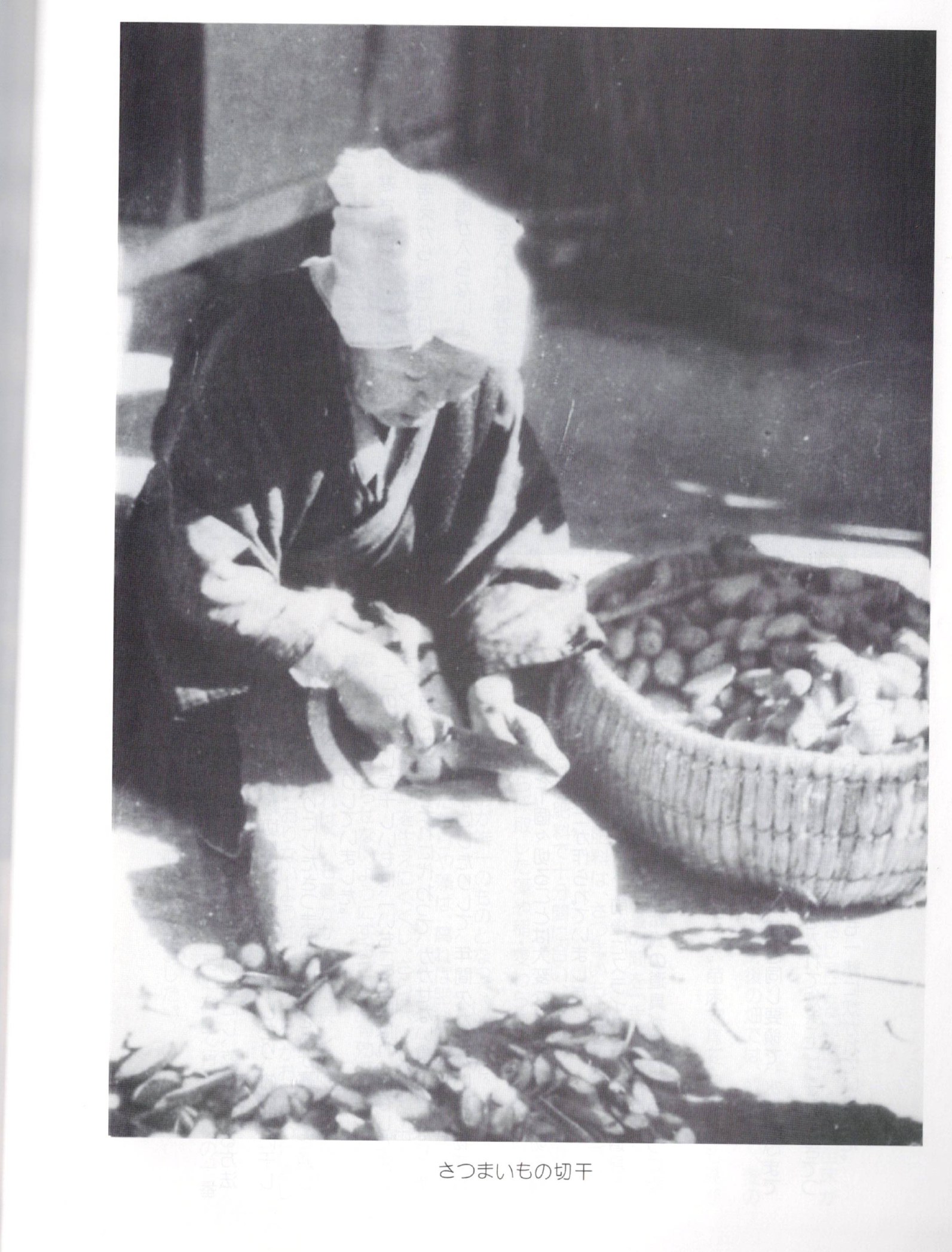
Sweet potato (さつまいも / 甘藷). A drought-resistant, low-fertilizer famine-relief crop, grown by pushing vines (imozuru) into ridges cleared after the pyrethrum or wheat harvest; tended with a "tesuki" tool; harvested October to November in the busiest season of the year (農繁期) (さぎしま讃歌 p.26, p.28). The only soil amendment was cut pyrethrum stems, sea-gathered seaweed, and straw, which rotted to fertilizer, shaded out weeds, and stopped unwanted vine-rooting; "tsuru-okoshi" (vine-lifting) served the same end (さぎしま讃歌 p.28). Raw potatoes were preserved by "imo o kakou," a straw-lined, straw-roofed field pit, or indoors in an "imotsubo" pit under the floor of the lower room (下の間), topped with rice husks (sukumo); they were also dried into "imoko" round slices on straw mats, an indispensable year-round food eaten cooked like rice or ground into dumpling flour (さぎしま讃歌 p.29-31). さつまいも(甘藷)。 乾燥に強く肥料の少ない救荒作物で、除虫菊や麦の収穫後に整えた畝にいも蔓を挿して育て、「手すき」で手入れし、年で最も忙しい農繁期の10〜11月に収穫した(『さぎしま讃歌』p.26, p.28)。唯一の土壌補いは、刻んだ除虫菊の茎、海から採った藻、藁であり、腐って肥料となり、雑草を遮り、蔓の不要な発根を止めた。「蔓おこし」も同じ役目を果たした(『さぎしま讃歌』p.28)。生のいもは、藁を敷き藁屋根をかけた畑の穴に「いもを囲う」か、下の間の床下の「いもつぼ」にすくもをかけて貯え、またムシロの上で輪切りに干して「いもこ」とし、米のように炊くか団子粉に挽いて周年欠かせぬ食とした(『さぎしま讃歌』p.29-31)。
Pyrethrum / insect-chrysanthemum (除虫菊). Said to have been the island's single most profitable cash crop (さぎしま讃歌 p.32; 双鷺洲 p.261). Grown from c.1907/1910 until about 1955, used as raw material for flea powder and mosquito coils; spring seedlings overwintered and bloomed white in May to June, turning the island "silver-white" (白銀の花) (さぎしま讃歌 p.32; 双鷺洲 p.245, p.261). Harvested flowers had to be threshed on the spot with a senba (千歯), then sun-dried at once on straw mats and stirred several times daily or fermentation would destroy the insecticidal pyrethrin; flowers were graded 1st, 2nd, or 3rd class at shipment; the plants were uprooted whole for crop rotation, after which sweet potatoes followed and pyrethrum was replanted the next spring (さぎしま讃歌 p.33, p.35; 双鷺洲 p.261-262). Cultivation crashed during wartime food drives and was largely converted to mikan orchards after about 1962 (Shōwa 37) (双鷺洲 p.243). 除虫菊。 島で最も利益の大きい換金作物だったとされる(『さぎしま讃歌』p.32;『双鷺洲』p.261)。1907/1910年頃から1955年頃まで作られ、蚤取粉や蚊取り線香の原料となった。春の苗は越冬し5〜6月に白く咲き、島を「白銀の花」に染めた(『さぎしま讃歌』p.32;『双鷺洲』p.245, p.261)。摘んだ花はその場で千歯にかけ、ただちにムシロで天日干しし日に数回かき混ぜないと、発酵して殺虫成分ピレトリンが失われた。出荷時に一・二・三等に格付けされ、輪作のため根こそぎ抜き取り、後にさつまいもを作り、翌春に除虫菊を植え直した(『さぎしま讃歌』p.33, p.35;『双鷺洲』p.261-262)。戦時の増産で栽培は激減し、おおむね1962年(昭和37)以降ミカン園に転換された(『双鷺洲』p.243)。
Wheat and barley (麦). Both cash crop and daily food for an island with few paddies, grown in fields plowed to the mountaintops; sown in November, harvested in June, with fertilizer and soil-hilling (土寄せ) in between (さぎしま讃歌 p.36). Ears were threshed with a senba, dried, beaten with a karasao flail (locally "karasan"), sifted through a kazura-dōshi sieve and a tōmi winnower, then stored in straw bags (kamasu) (さぎしま讃歌 p.36). The barley grown was hadaka-mugi (naked barley); wheat was mostly sold or exchanged for udon or somen, and dango-mugi was milled for dumplings and kashiwa-mochi (双鷺洲 p.250, citing 三原市史). 麦。 水田の乏しい島にとって換金作物であり日常の食でもあり、山頂まで耕した畑で作られ、11月に蒔き翌6月に刈り、その間に施肥と土寄せを行った(『さぎしま讃歌』p.36)。穂は千歯で扱き、干し、殻竿(地元で「からさん」)で打ち、カズラドオシで篩い、唐箕にかけ、カマスに収めた(『さぎしま讃歌』p.36)。作った麦は裸麦で、小麦は多くを売るかうどん・そうめんと交換し、団子麦は団子や柏餅に挽いた(『双鷺洲』p.250、三原市史による)。
Rice: the grain the island could not lean on / 米:島が頼りきれなかった穀物
Rice was never one of Sagishima's heritage staples. With little flat land and a chronic shortage of water (see Hydrology and the Water Question and Salt Fields), the island leaned on dry-field crops and salt instead, and the little paddy it had was filled in the 1971-74 paddy conversion. It is recorded here for completeness, not as a staple.
米は佐木島の主要作物ではなかった。平地に乏しく水も慢性的に不足していたため(水の問い・塩田を参照)、島は畑作と製塩に頼り、わずかにあった水田も1971〜74年の水田転換で埋め立てられた。ここでは主要作物としてではなく、記録の完全性のために記す。
Rice growing was labor-intensive on an island short of flat land; folk etymology held the character 米 reflects the 88 hands needed to grow it (さぎしま讃歌 p.38). Seedbeds were made and seed sown in April, transplanting (田植え) began in June, with labor divided by gender, water drawn twice daily, then hand-cutting, haze-rack drying, threshing to paddy rice (籾米) and to brown rice (玄米) (さぎしま讃歌 p.38; 双鷺洲 p.262-263). 米づくりは平地の乏しい島では労働集約的で、「米」の字は作るのに八十八の手間がかかることを表すという俗解があった(『さぎしま讃歌』p.38)。4月に苗床を作りもみ蒔きし、6月に田植えを始め、労働は男女で分かれ、水は朝夕二度引き、手刈りののち、はぜ干し、籾米へ、玄米へと脱穀した(『さぎしま讃歌』p.38;『双鷺洲』p.262-263)。
Fertility without flat land: guro, mo-nuki, and the busy season / 平地なき肥沃:グロ・藻抜き・農繁期
Fertilizer on the bald hillsides was made by piling and storing rice and barley straw, bean and pyrethrum stalks, sweet-potato vines, seaweed, and cattle dung into compost mounds called guro (グロ), applied to the fields as needed (さぎしま讃歌 p.52; 双鷺洲 p.254-255). With few paddies, islanders bought rice straw in Mihara: one guro 7 shaku tall equaled one tan's worth, and a farm of 7-8 tan would buy 2-3 tan's worth; tall guro were built around a central post in a peaked shape with weighted ropes against wind and rain (さぎしま讃歌 p.52; 双鷺洲 p.255).
禿げた斜面の肥料は、稲・麦の藁、豆や除虫菊の茎、いも蔓、藻、牛糞を積み貯えた堆肥の山「グロ」として作り、必要に応じて畑に施した(『さぎしま讃歌』p.52;『双鷺洲』p.254-255)。水田が乏しいため島人は三原で稲藁を買い、7尺のグロ一つが一反分とされ、7〜8反の畑なら2〜3反分を買った。高いグロは中心の支柱の周りに山形に組み、おもりを付けた縄で風雨に備えた(『さぎしま讃歌』p.52;『双鷺洲』p.255)。
Because fields lay on slopes, fertilizer, water, and harvested potatoes, barley, pyrethrum, and watermelon were carried by both men and women on a carrying-pole (sasu) with woven straw containers (enbō); these were found in every farmhouse, large households keeping 70 to 150 enbō and ordinary ones about 40 (双鷺洲 p.251). The busy farming season (農繁期) overlapped the planting and harvest of all the major crops, and during it households worked from early morning to late night, captured by the saying that they "wore the morning star in the morning and the night star at night," eating four meals a day (さぎしま讃歌 p.54; 双鷺洲 p.250). The whole family worked: children minded younger siblings or went straight to the fields, and infants were placed in an "enbō" basket to wait (さぎしま讃歌 p.54).
畑が斜面にあるため、肥料・水・収穫したいも・麦・除虫菊・スイカは、男女ともにサスとエンボウ(藁編みの容器)で運んだ。これらはどの農家にもあり、大きな家は70〜150、普通の家は約40のエンボウを持った(『双鷺洲』p.251)。農繁期は主要作物すべての植え付けと収穫が重なり、家々は早朝から夜更けまで働き、「朝は朝星、夜は夜星をいただいて」と言い表され、一日四度の食事をとった(『さぎしま讃歌』p.54;『双鷺洲』p.250)。家族総出で、子は弟妹の子守りをするか畑へ直行し、乳児はエンボウに入れて待たせた(『さぎしま讃歌』p.54)。
Livestock / 家畜
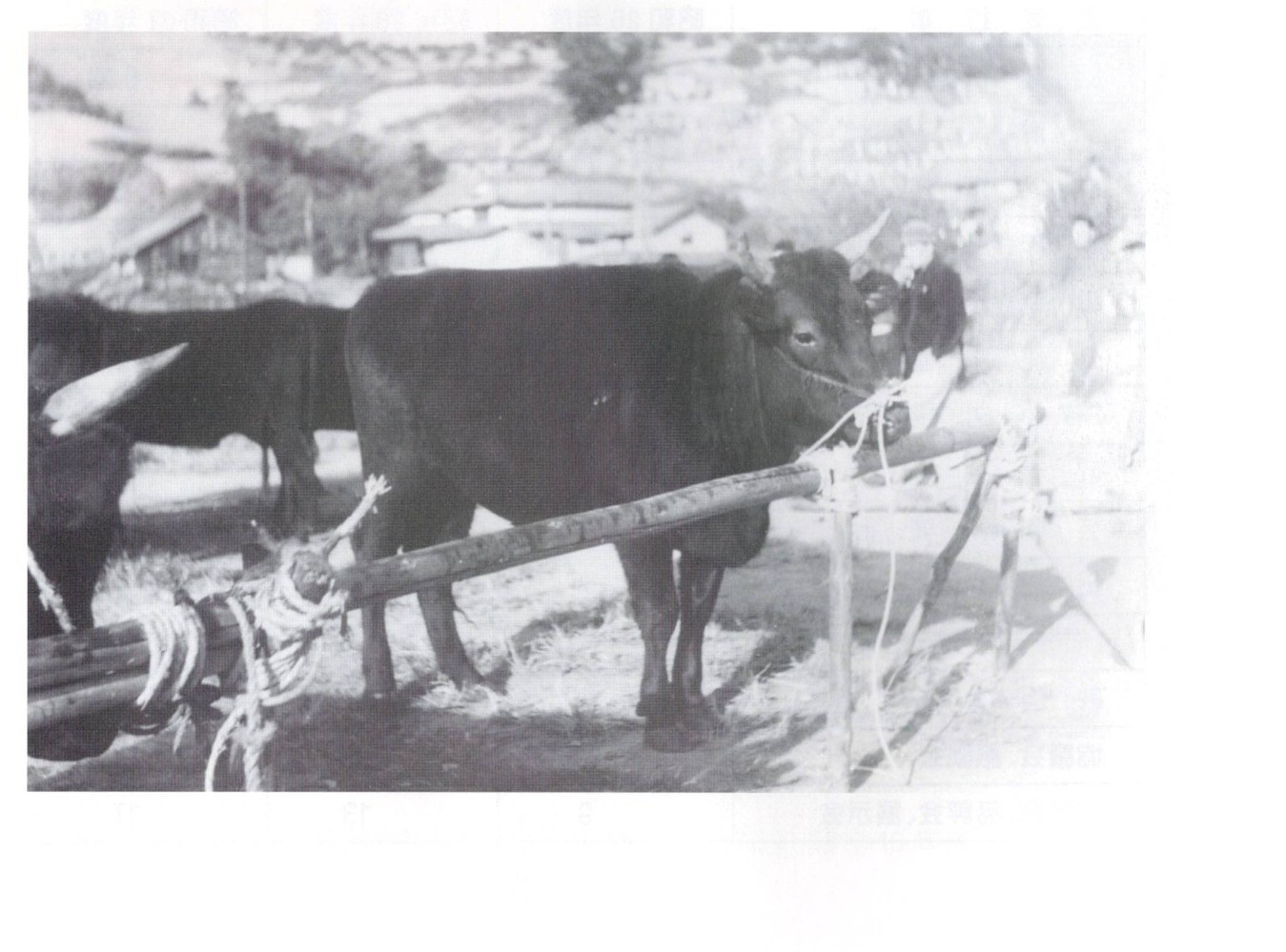
Cattle were originally black draft oxen (役牛) that plowed fields and pulled large two-wheeled handcarts (大八車); in 1950 dairy cows began to be raised as a new cash path, a veterinarian was stationed on the island, and a dairy cooperative (酪農組合) formed, at peak keeping more than a dozen dairy cows (さぎしま讃歌 p.62-63). Postwar households also raised pigs for cash (from 1945), chickens (first a few birds under the eaves, later large-scale battery cages), goats (for milk in place of cow's milk), rabbits (mostly as children's pets), and sheep (mainly for household wool, about one per house, kept until around 1960) (さぎしま讃歌 p.70-74).
牛はもともと畑を耕し大八車を引く黒い役牛であったが、1950年に新たな現金収入の道として乳牛の飼育が始まり、島に獣医が常駐し、酪農組合が結成され、最盛期には十数頭の乳牛を飼った(『さぎしま讃歌』p.62-63)。戦後の家々は、現金のための豚(1945年以降)、鶏(はじめ縁の下で数羽、のちに大規模なケージ飼い)、山羊(牛乳の代わりの乳のため)、兎(主に子どもの愛玩用)、羊(主に家庭用の羊毛のため、一軒に約一頭、1960年頃まで)も飼った(『さぎしま讃歌』p.70-74)。
Conflict held for reconciliation. The dairy-cattle start date differs within and between the books: さぎしま讃歌 p.62 gives 1950 (Shōwa 25) for the start of dairy cattle, but さぎしま讃歌 p.64 dates the introduction to 1951 (Shōwa 26); 双鷺洲 p.246 gives 1950 for dairy cattle and p.246 gives 1951 for the dairy cooperative. Left unresolved.
照合のため保留する食い違い。 乳牛の開始年は書籍の内部でも書籍間でも異なる:『さぎしま讃歌』p.62 は乳牛の開始を1950年(昭和25)とするが、同書 p.64 は導入を1951年(昭和26)とし、『双鷺洲』p.246 は乳牛を1950年、酪農組合を1951年とする。未解決のまま残す。
To promote farming, agricultural-product fairs and livestock-breeding competitions (品評会・共進会) were held on the island, jointly hosted by Sagiura Village and the Mukōda Agricultural Cooperative (向田農協), with a championship flag (優勝旗) awarded; the cattle division split into service-cattle and dairy-cattle sections, held on the Mukōda Elementary School grounds (さぎしま讃歌 p.62, p.64-65, p.68-69).
農業振興のため、島では品評会・共進会が開かれ、鷺浦村と向田農協の共催で優勝旗が授与され、牛の部は役牛と乳牛に分かれ、向田小学校のグランドを会場とした(『さぎしま讃歌』p.62, p.64-65, p.68-69)。
Processing, citrus, and the sorting station / 加工・柑橘・撰果場
In 1958 (Shōwa 33) the village-wide Sagiura Village Agricultural Products Processing Cooperative (鷺浦村農産加工協同組合) was set up inside the Mukōda Agricultural Cooperative (向田農協), and a starch factory adjacent to the cooperative made starch and mizuame (rice syrup) from raw sweet potatoes (さぎしま讃歌 p.76). Two starch factories ran: the Mukōda factory (initially operated by Nishikawa Shōzō, TENTATIVE), closed 1964, and the Utsumi factory in Sagi (operated by Utsumi Teruhito, TENTATIVE), which ran until 1983 (さぎしま讃歌 p.76, p.80). The Utsumi factory had begun in 1936 as a waste-oil refinery under Issei Kasei Kōgyō (TENTATIVE), at peak employed over 30 workers, and later shifted to making protein and starch from wheat as sweet-potato growing declined, its residue feeding the island's dairy cattle and pigs (さぎしま讃歌 p.80).
1958年(昭和33)、村全域の鷺浦村農産加工協同組合が向田農協内に設けられ、農協に隣接する澱粉工場が生甘藷から澱粉と水飴を作った(『さぎしま讃歌』p.76)。澱粉工場は二つあり、向田工場(当初は西川庄造TENTATIVEが運営、1964年閉鎖)と、佐木の内海工場(内海輝人TENTATIVEが運営、1983年まで稼働)であった(『さぎしま讃歌』p.76, p.80)。内海工場は1936年に一誠化成工業TENTATIVEのもと廃油精製工場として始まり、最盛期には30名超を雇い、のちさつまいも栽培の衰退に伴い小麦から蛋白と澱粉を作るようになり、その残りかすは島の乳牛と豚の飼料となった(『さぎしま讃歌』p.80)。
Hassaku (八朔) was the earliest citrus on the island, grown in small amounts before WWII and spreading widely afterward, centered on Mukōda, with the Mukōda Agricultural Cooperative as the shipment base (its building converted from one to two stories after the war); hassaku was first shipped in enbō baskets, then "apple boxes," before today's containers (さぎしま讃歌 p.82-85). From about 1955 mikan was propagated by bud-grafting onto karatachi (trifoliate orange) rootstock, with cooperative pest control and mechanization, and Sagishima was a Hiroshima Prefecture fruit-tree experiment district (さぎしま讃歌 p.92-93). In 1970 the Bingo Mikan joint sorting station (備後みかん共同撰果場) was built (双鷺洲 p.247). By 1990 there were 314 farm households, 89 full-time and 308 fruit-tree-growing, and many citrus varieties were planted despite gentan, including Unshu (regular, extra-early, early, late), ponkan, Kiyomi, hassaku and beni-hassaku, Harumi, Dekopon, lemon, Harehime, navel, banpeiyu, Anseikan, Haruka, and Ōtsu No. 4 (さぎしま讃歌 p.180). This is the direct ancestry of the lemons, oranges, and mikan the existing page records today.
八朔は島で最も早い柑橘で、戦前は少量、戦後は向田を中心に広く広まり、向田農協が出荷の拠点となった(その建物は戦後に一階から二階建てに改められた)。八朔ははじめエンボウで、次に「りんご箱」で出荷され、現在のコンテナに至った(『さぎしま讃歌』p.82-85)。1955年頃からミカンはからたち台木への芽接ぎで殖やされ、協同防除と機械化が進み、佐木島は広島県の果樹実験指定地区であった(『さぎしま讃歌』p.92-93)。1970年に備後みかん共同撰果場が建てられた(『双鷺洲』p.247)。1990年には農家314戸、うち専業89戸、果樹栽培308戸で、減反にもかかわらず多くの柑橘品種が植えられた:温州(普通・極早生・早生・晩生)、ぽんかん、清見、八朔・紅八朔、はるみ、デコポン、レモン、はれひめ、ネーブル、ばんぺい、あんせい柑、はるか、大津4号など(『さぎしま讃歌』p.180)。これが、本ページが今日記すレモン・オレンジ・みかんの直接の祖先である。
Sunoue as of the early 2010s, in numbers / 数字で見る須ノ上(2010年代初頭)
Sagiura, centered on Sunoue, became a major production area for wakegi (Welsh onion) (さぎしま讃歌 p.178-179). Sunoue crop acreages for 1987 (Shōwa 62) were: Unshu mandarin 30 ha; wakegi 6 ha; kinusaya snap pea 4 ha; potato 6 ha; melon 3 ha; cucumber 0.7 ha; watermelon 5.3 ha; tomato 0.08 ha; squash 0.5 ha; green bean 0.6 ha (さぎしま讃歌 p.179). As of the early 2010s Sunoue's main products were wakegi, melon, citrus, and watermelon (さぎしま讃歌 p.179). For wakegi specifically, 31 households sold 171 tons in 2012 (Heisei 24) (双鷺洲 p.248). These figures match and extend the existing page's "melons, watermelons, Chinese chives (ニラ)" picture; note the emphasis on wakegi (Welsh onion) here, while ja.wikipedia on the existing page emphasizes ニラ (Chinese chives), flag for reconciliation, as these are different alliums.
鷺浦は須ノ上を中心にわけぎ栽培の主産地となった(『さぎしま讃歌』p.178-179)。1987年(昭和62)の須ノ上の作付面積は、温州みかん30ha、わけぎ6ha、キヌサヤエンドウ4ha、馬鈴薯6ha、メロン3ha、きゅうり0.7ha、スイカ5.3ha、トマト0.08ha、かぼちゃ0.5ha、いんげん0.6haであった(『さぎしま讃歌』p.179)。2010年代初頭の須ノ上の主産物はわけぎ・メロン・柑橘・スイカであった(『さぎしま讃歌』p.179)。わけぎについては2012年(平成24)に31戸が171トンを販売した(『双鷺洲』p.248)。これらは本ページの「メロン・スイカ・ニラ」像と一致し補うが、ここではわけぎ(Welsh onion)が強調される一方、本ページのja.wikipediaはニラ(Chinese chives)を強調しており、両者は別のネギ属である点を照合のため記す。
Salt and the marine half / 塩と海側の半分
The existing page lists salt and seaweed as the marine half of island production, and a long history lies behind it. Until the medieval period salt was made by the agehama-shiki (揚げ浜式, lifted-beach) solar-evaporation method; in the Edo period the irihama-shiki (入浜式, inlet-beach) method enabled large-scale production but was extremely heavy labor (about 1,000 tons of sand and sea water per ton of salt; laborers, hamako 浜子, were said to walk about 26 km per day per tan) (双鷺洲 p.264). Around 1953 (Shōwa 28) salt-making was improved to the ryūka-shiki (流下式 / 枝条架式, branch-rack flow-down) method, cutting labor from 5 workers per tan to 1, and later switched to the ion-exchange-membrane method (双鷺洲 p.264). Salt-field ownership records survive: in 1888 (Meiji 21) Sagishima-hama (TENTATIVE reading) had 1 chō 8 tan 2 se 27 bu with 1 salt household, and Mukōda-no-ura-hama and others 23 chō 2 tan 2 se 8 bu with 8 salt households (双鷺洲 p.266). In 1958 (Shōwa 33) the Mihara Fishery Cooperative began cultivating nori and wakame around Sagishima (さぎしま讃歌 p.156).
本ページは島の生産の海側として塩と海藻を挙げるが、その背後には長い歴史がある。中世まで塩は揚げ浜式の天日製塩で作られ、江戸期に入浜式が大規模生産を可能にしたが極めて重労働で(塩1トンに砂と海水約1,000トン、浜子は反当り一日約26km歩いたという)(『双鷺洲』p.264)。1953年(昭和28)頃、製塩は流下式(枝条架式)に改良されて労働は反当り5人から1人に減り、のちイオン交換膜法に転じた(『双鷺洲』p.264)。塩田の所有記録も残り、1888年(明治21)に鷺島浜(読みは TENTATIVE)は1町8反2畝27歩・塩戸一戸、向田野浦浜ほかは23町2反2畝8歩・塩戸八戸であった(『双鷺洲』p.266)。1958年(昭和33)には三原漁協が佐木島周辺で海苔とわかめの養殖を始めた(『さぎしま讃歌』p.156)。
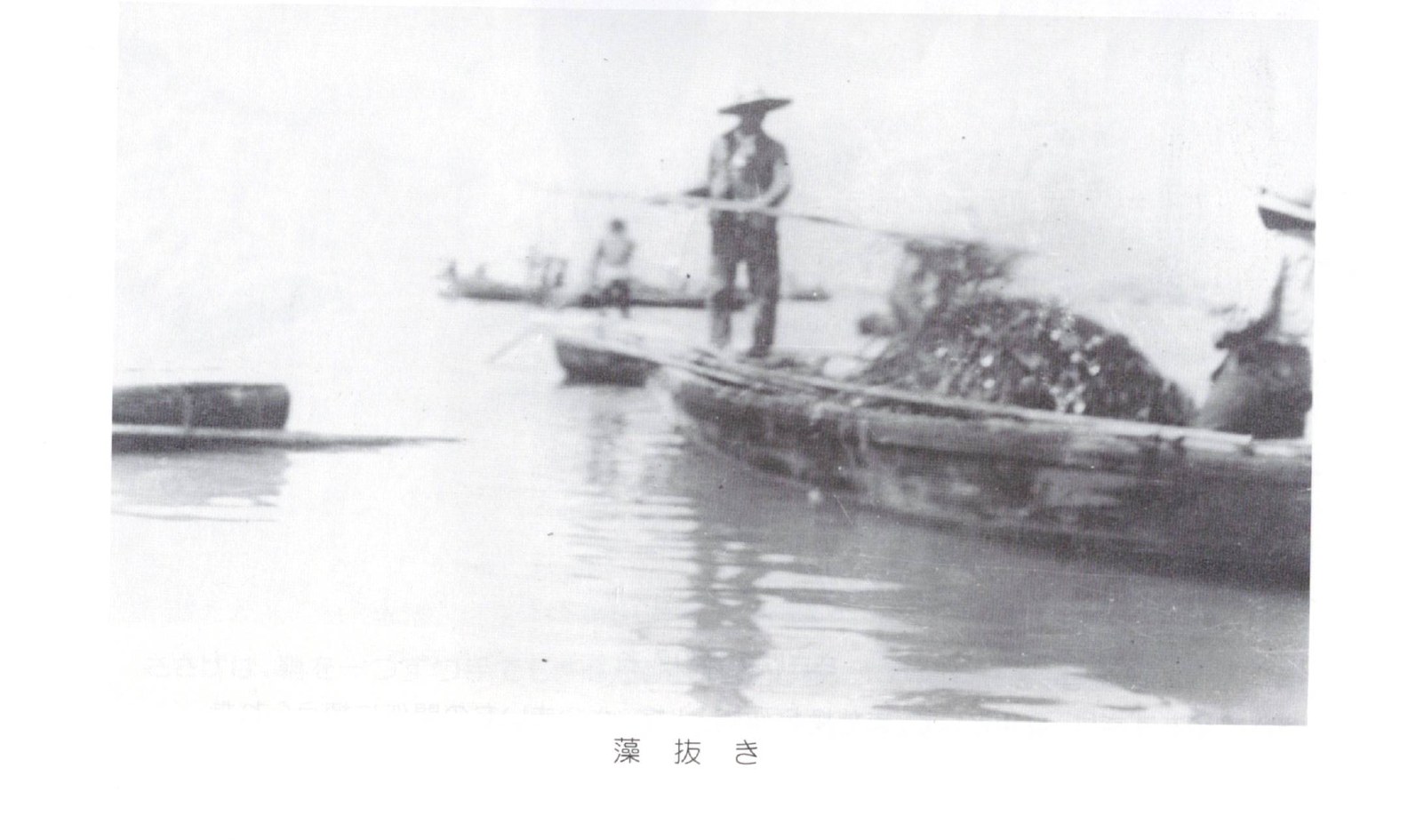
Bears directly on the existing page's "fishing tradition" discrepancy. The books describe seaweed-gathering ("mo-nuki" / 藻抜き) as an agricultural-fertilizer practice, not a fishery: in high summer people took small boats out and used a "mo-bashi" (藻バシ, two long bamboo poles) to clamp, twist, and pull seaweed for use as fertilizer (さぎしま讃歌 p.46; 双鷺洲 p.254). Local seaweed was insufficient, so fleets of 20 to 50 boats went as far east as Matsunaga Bay and as far west as off Tadanoumi, obtaining permits and paying a gathering fee (採藻料), sometimes staying about 10 days; the seaweed was dried over the whole coastline, school grounds, and roads (さぎしま讃歌 p.46-47; 双鷺洲 p.254). The practice ended around 1960 (Shōwa 35) with crop changes and chemical fertilizer (双鷺洲 p.247, p.254). Separately, wooden-boat maintenance included "tade-bune" (たで舟), burning twigs against the hull to destroy seaweed, shells, and boring insects (さぎしま讃歌 p.51). These reinforce the existing page's note that there was no major commercial fishery even though islanders worked the sea: the sea was mostly worked for fertilizer and salt, not catch. Pearl cultivation (1958 to late 1970s) and the Mihara Fishery Cooperative's nori/wakame (from 1958) are the nearest things to a marine industry, and both were short-lived or externally based. Held for reconciliation with the open questions entry.
本ページの「漁業の伝統」の食い違いに直接関わる。 書籍は藻抜きを漁業ではなく農業用肥料の営みとして描く。盛夏に小舟を出し、藻バシ(長い竹竿二本)で藻を挟みねじり抜いて肥料にした(『さぎしま讃歌』p.46;『双鷺洲』p.254)。地元の藻では足りず、20〜50艘の船団が東は松永湾、西は忠海沖まで行き、許可を得て採藻料を払い、時に約10日滞在した。藻は海岸全体・運動場・道路に広げて干した(『さぎしま讃歌』p.46-47;『双鷺洲』p.254)。この営みは作物の変化と化学肥料により1960年頃(昭和35)に終わった(『双鷺洲』p.247, p.254)。別に、木造船の手入れには「たで舟」(船底に小枝を焚いて藻・貝殻・虫を焼く)があった(『さぎしま讃歌』p.51)。これらは、島人が海で働いても大きな商業漁業はなかったという本ページの注を補強する。海はおもに肥料と塩のために働かれ、漁獲のためではなかった。真珠養殖(1958年〜1970年代後半)と三原漁協の海苔・わかめ(1958年〜)が海産業に最も近いが、いずれも短命か島外を拠点とした。未解決の問いとの照合のため保留する。
The sweet-potato saints / 芋の聖たち
Sagishima's sweet-potato story connects to a wider Setouchi cult of "potato saints" who are still memorialized. Several are recorded, with their commemorative figures (Imo Kannon 芋観音, Imo Jizō 芋地蔵, Imo Daikan 芋代官). Most readings here are TENTATIVE and the figures are classical-Japanese-derived; a local historian should review before formal use.
佐木島の芋の物語は、今も祀られる瀬戸内の広い「芋の聖」の信仰につながる。数名がその記念像(芋観音・芋地蔵・芋代官)とともに記録されている。ここでの読みの多くはTENTATIVEで、人物は古文書由来であり、正式な使用の前に郷土史家の確認を要する。
- Shimomi/Shitami Kichijūrō (下見吉十郎, TENTATIVE) of Setomura on Ōmishima brought five sweet potatoes back from Satsuma in 1711, hidden in a pilgrim's pack-frame (oiko) since the crop could not leave the domain without permission; the crop spread across the Setouchi islands. He died in 1755 (Hōreki 5) at age 82, buried behind Kōunji (TENTATIVE) in Seto; in 1850 an Imo Jizō was erected for him at Daitsūji on Ōmishima, and in 1918 he was given an invocation name and a merit monument (双鷺洲 p.258, p.260, p.270; さぎしま讃歌 p.27). 大三島瀬戸村の下見吉十郎(TENTATIVE)は1711年、許可なく藩外へ持ち出せぬさつまいもを行者の笈に隠して薩摩から五つ持ち帰り、瀬戸内の島々に広めた。1755年(宝暦5)82歳で没し瀬戸の向雲寺(TENTATIVE)裏に葬られ、1850年に大三島大通寺に芋地蔵が建ち、1918年に号と頌徳碑が贈られた(『双鷺洲』p.258, p.260, p.270;『さぎしま讃歌』p.27)。
- Ido Heizaemon (井戸平左衛門, TENTATIVE), magistrate of the Ōmori silver mine, promoted sweet potato during the Kyōhō famine, opened the granaries without orders to relieve the people, and was ordered to commit seppuku, dying in 1732; revered as the "Imo Daikan" (potato magistrate), with the Ido Shrine built in Ōmori, Shimane (双鷺洲 p.258-259). 大森銀山の代官井戸平左衛門(TENTATIVE)は享保の飢饉にさつまいもを奨励し、命を待たず蔵を開いて民を救い、独断を咎められ切腹して1732年に没した。「芋代官」と崇められ、島根の大森に井戸神社が建つ(『双鷺洲』p.258-259)。
- Murakami Kyūkō (村上休広, TENTATIVE) of Takehara brought sweet-potato seed back from Ryūkyū in the Kanbun era (1661-1673); he is enshrined as the "Imo Jizō" at Chōshōji in Takehara (さぎしま讃歌 p.27; 双鷺洲 p.260). 竹原の村上休広(TENTATIVE)は寛文年間(1661-1673)に琉球からさつまいもの種を持ち帰り、竹原長生寺に「いも地蔵」として祀られる(『さぎしま讃歌』p.27;『双鷺洲』p.260)。
- Aoki Konyō (青木昆陽), the "sweet-potato teacher," cultivated it at the Koishikawa Yōjōsho by shogunate order, spreading it across the Kantō; enshrined at Konyō Shrine in Makuhari, Chiba (双鷺洲 p.259-260). 「甘藷先生」青木昆陽は幕命で小石川養生所に栽培し関東へ広めた。千葉の幕張に昆陽神社として祀られる(『双鷺洲』p.259-260)。
On Sagi itself, the Sunoue Imo Kannon is said to depict the living likeness of Kichijūrō, seated in a hood, robe, and hakama rather than standard bodhisattva form (双鷺洲 p.112). Local tradition ties it to the Bunka 2 (1805) bride from Innoshima Shigei: when she died young, the villagers built the Imo Kannon in 1814 (Bunka 11) out of mourning and gratitude (双鷺洲 p.110, p.268; the source writes the era as 分化, an OCR error for 文化). It was repaired in 1870 (Meiji 3) (双鷺洲 p.260). The festival custom of bringing a sweet potato had ceased by 2015, because crop types changed and, as of 2015, sweet potatoes were no longer grown (双鷺洲 p.111). This is a temple/shrine-and-festival detail that may belong cross-linked to a Temples/Festivals page; placed here because it is inseparable from the sweet-potato agriculture.
佐木そのものでは、須ノ上の芋観音が、通常の菩薩形ではなく頭巾・衣・袴を着けて座す下見吉十郎の生き姿を写すといわれる(『双鷺洲』p.112)。言い伝えは文化2年(1805)の因島重井からの嫁に結び付き、彼女が若くして亡くなると、村人は哀悼と感謝から1814年(文化11)に芋観音を建てた(『双鷺洲』p.110, p.268。原典は元号を「分化」と記すが「文化」のOCR誤り)。1870年(明治3)に修復された(『双鷺洲』p.260)。芋を供える祭りの習わしは、作物が変わり、2015年時点ではさつまいもを作らなくなっていたため、2015年までに絶えていた(『双鷺洲』p.111)。これは寺社・祭礼の事項で、寺社/祭礼のページへの相互リンクが適切かもしれないが、さつまいも農業と不可分のためここに置く。
Tools, transport, and mechanization / 道具・運搬・機械化
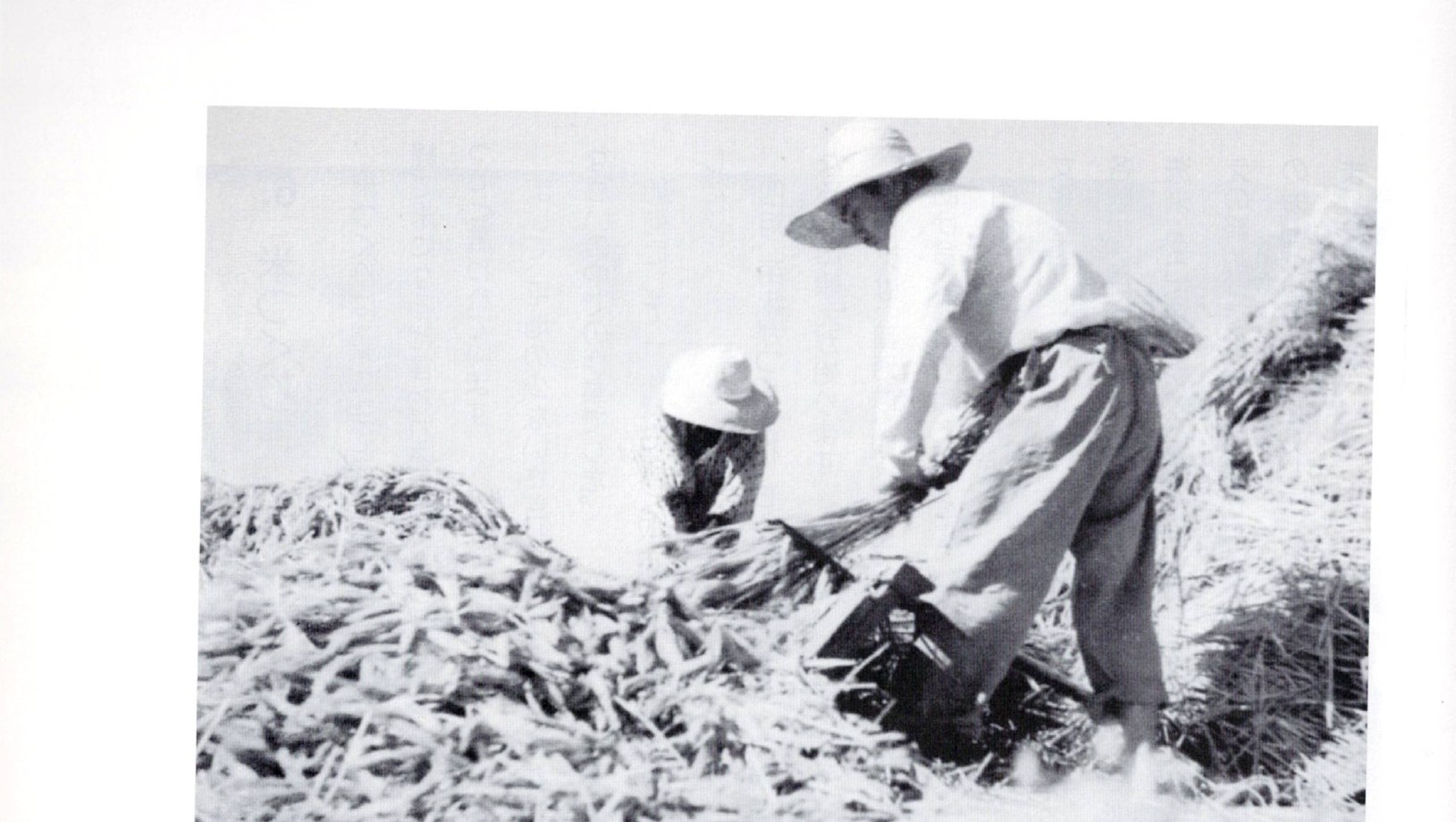
Goods moved by daihachiguruma (大八車, large two-wheeled handcart, its name from 代八車 "a cart that does the work of eight people") on flat roads and by single-wheeled neko-guruma (猫車, pushed by two rear handles) on mountain slopes; after the war iron cart-wheels gave way to pneumatic tires, then to power tillers (テーラー), auto-tricycles (オート三輪車), and power cultivators (耕運機) that replaced draft oxen and could haul loads; as of the early 2010s tractors and tilling machines were in use (さぎしま讃歌 p.104-105, p.181). A land-use map of Sagishima and Kosagishima around 1970 (Shōwa 45), while rice paddies still existed, mapped paddy, dry field (hatake), mikan groves, mountains, and salt fields (enden); until about 1955 the mountainside land now under mikan was dry farmland (さぎしま讃歌 p.107).
物は平らな道では大八車(名は「八人分の働きをする車」=代八車に由来)で、山の斜面では猫車(後ろの二本の柄で押す一輪車)で運ばれた。戦後、鉄の車輪は空気タイヤに替わり、テーラー、オート三輪車、役牛に代わり荷も運べる耕運機へと進み、2010年代初頭にはトラクターと耕運機が使われていた(『さぎしま讃歌』p.104-105, p.181)。1970年(昭和45)頃、まだ水田のあった佐木島・小佐木島の土地利用図は、田・畑・みかん園・山・塩田を示し、今みかんの下にある山腹の土地は1955年頃まで畑地であった(『さぎしま讃歌』p.107)。
Open items flagged in this ingest / この取り込みで記した未解決事項
- Year conflicts within/between the two books: pyrethrum introduction 1907 vs 1910; dairy cattle 1950 vs 1951; structure-improvement years for Sunoue/Sagi (FY1969 vs FY1967). All shown with both values; not resolved. 書籍内・書籍間の年代の食い違い: 除虫菊導入1907対1910、乳牛1950対1951、須ノ上・佐木の構造改善年(昭和44年度対42年度)。いずれも両方を示し、未解決。
- Tentative readings of person/temple/place names (Mihata Kōichi, Shimomi/Shitami/Asami Kichijūrō, Ido Heizaemon, Murakami Kyūkō/Kanbei/Gunbei, Nishikawa Shōzō, Utsumi Teruhito, Issei Kasei Kōgyō, Sagishima-hama, Kōunji, and others) need confirmation. 人名・寺名・地名の暫定的な読み(御畑興市、下見吉十郎、井戸平左衛門、村上休広・勘兵衛・郡兵衛、西川庄造、内海輝人、一誠化成工業、鷺島浜、向雲寺ほか)は確認を要する。
- wakegi vs ニラ: the books emphasize wakegi (Welsh onion) as Sunoue's signature crop; the existing page's ja.wikipedia source emphasizes ニラ (Chinese chives). Different plants; reconcile. わけぎ対ニラ: 書籍は須ノ上の看板作物としてわけぎを強調し、本ページのja.wikipedia出典はニラを強調する。別の植物であり、照合を要する。
- Fishing-tradition discrepancy: the seaweed/salt/pearl material supports "no major commercial fishery"; held for the existing open-questions entry, not resolved here. 漁業の伝統の食い違い: 藻・塩・真珠の記述は「大きな商業漁業はなかった」を支持する。既存の未解決の問いとして保留し、ここでは解決しない。
- OCR-flagged figures from 双鷺洲 (e.g. the implausibly large hectare figures on p.263; classical-Japanese koku/to/shō yields on p.80, p.97) are omitted from the prose above or carried only where reliable; verify against originals before any quantitative use. 『双鷺洲』のOCR要注意の数値(p.263の不自然に大きいヘクタール値、p.80・p.97の石斗升の収量など)は本文から除くか確実な範囲のみ載せた。定量利用の前に原典確認を要する。
Sources / 出典
- Primary, さぎしま讃歌 (はじめに / もくじ / 本文): pp.1-2, 8, 11, 15-17, 21-36, 38, 44-47, 51-54, 62-65, 68-74, 76, 80, 82-85, 88-93, 104-107, 113, 156, 174, 178-181. 一次資料『さぎしま讃歌』(はじめに・もくじ・本文):上記の各ページ。
- Primary, 双鷺洲 (quoting where noted the deeper 三原市史 and other records): pp.80-83, 89, 97, 101-102, 110-112, 118-124, 130-131, 151, 199, 201, 232-266. Facts that 双鷺洲 quotes from 三原市史 are cited to that deeper source. 一次資料『双鷺洲』(記した箇所では奥の三原市史等を引用):上記の各ページ。『双鷺洲』が三原市史から引く事実はその奥の資料を典拠とする。