draft
Agriculture Today / 現在の農業
Overview / 概要
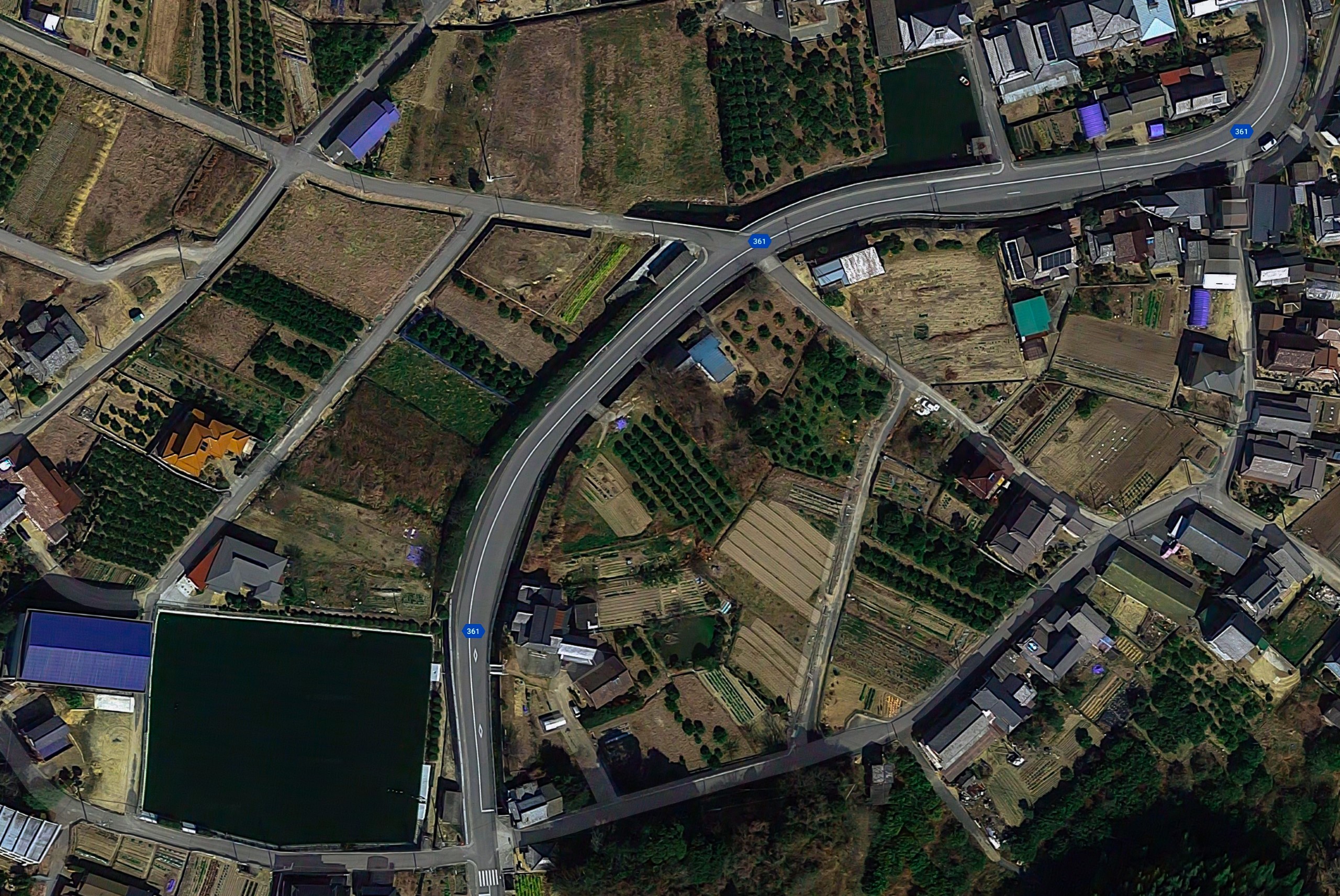
The Old Home page lists current small-scale agriculture as citrus varieties (柑橘), vegetables, flowers, salt, and seaweed. Slope-grown citrus (mikan, lemons, and varieties whose names you learn from the farmers themselves) is the most visible; salt and seaweed are the marine half, supported by the Seto Naikai's tidal flats and quiet bays. Japanese Wikipedia describes the island as agriculture-dominated, with terraced-field crops including citrus, melons, watermelons, and Chinese chives (ニラ); a Sagishima farm corporation, 373.farm, additionally names lemons, oranges, and melons and notes the island's well-drained soil as an advantage.
Old Homeのページは、現在の小規模農業を柑橘類、野菜、花、塩、海藻として挙げている。斜面で育つ柑橘(みかん、レモン、そして名前を農家から直に教わるような品種)が最も目につき、塩と海藻は海側の半分を担い、瀬戸内海の干潟と穏やかな入り江に支えられている。日本語版ウィキペディアはこの島を農業中心と記し、段々畑の作物として柑橘、メロン、スイカ、ニラを挙げる。佐木島の農業法人373.farmはさらにレモン、オレンジ、メロンを挙げ、島の水はけのよい土壌を利点として指摘している。
A discrepancy to note. RDS's Old Home page lists premodern industries as "wooden boat-building, family farms, and fisheries," but Japanese Wikipedia states Sagishima has no established fishing tradition. These may both hold loosely (boat-building and some fishing alongside no major commercial fishery); flagged in open questions.
留意すべき食い違い。 レッドドットスクールのOld Homeのページは、近代以前の産業を「木造船づくり、家族経営の農業、そして漁業」と挙げているが、日本語版ウィキペディアは佐木島に確立した漁業の伝統はないと記している。両者はゆるやかには両立しうる(大きな商業漁業はないものの、船づくりとある程度の漁はあった)。未解決の問いに記録している。
A current revitalization: asparagus / 現在の取り組み:アスパラガス
Separate from both the island's historical staple crops and the Foundation's artichoke project, a certified agricultural corporation, 373.farm (株式会社373コーポレーション, representative Obata Kanji / 小畠勘次), runs a commercial asparagus cultivation and island-revitalization effort on Sagishima. Per Hiroshima Prefecture's agricultural reporting, the operation planted in May 2022 and took its first harvest on 2023-02-13, using environmental-control growing technology (a 5 t/10a target). The well-drained soil and mild Seto Naikai climate let harvesting begin around February, roughly two months earlier than other prefectures. The work doubles as social infrastructure, "a warm place to interact with others while working" for elderly residents, and is paired with an agritourism facility, Sagishima Village (asparagus-harvesting experiences, opening spring 2025). This is a non-RDS island initiative, worth distinguishing from the Foundation's artichoke work, though both are deliberate agricultural introductions aimed at the island's future.
島のかつての主要作物とも、財団のアーティチョーク・プロジェクトとも別に、認定農業法人373.farm(株式会社373コーポレーション、代表は小畠勘次)が、佐木島で商業的なアスパラガス栽培と島の活性化に取り組んでいる。広島県の農業報告によれば、この事業は2022年5月に植え付け、環境制御の栽培技術(10aあたり5tを目標)を用いて2023年2月13日に初収穫を迎えた。水はけのよい土壌と瀬戸内海の温暖な気候により、収穫は2月頃に始まり、他県よりおよそ2か月早い。この取り組みは、高齢の住民にとって「働きながら人と触れ合える温かい場」という社会的な基盤も兼ねており、農業体験施設Sagishima Village(アスパラガスの収穫体験、2025年春開業)と組み合わされている。これはレッドドットスクールではない島の取り組みであり、財団のアーティチョークの活動とは区別すべきものだが、どちらも島の未来を見据えた意図的な農業の導入である。
The island's cultivated range, 2026 / 島の作物の幅、2026年
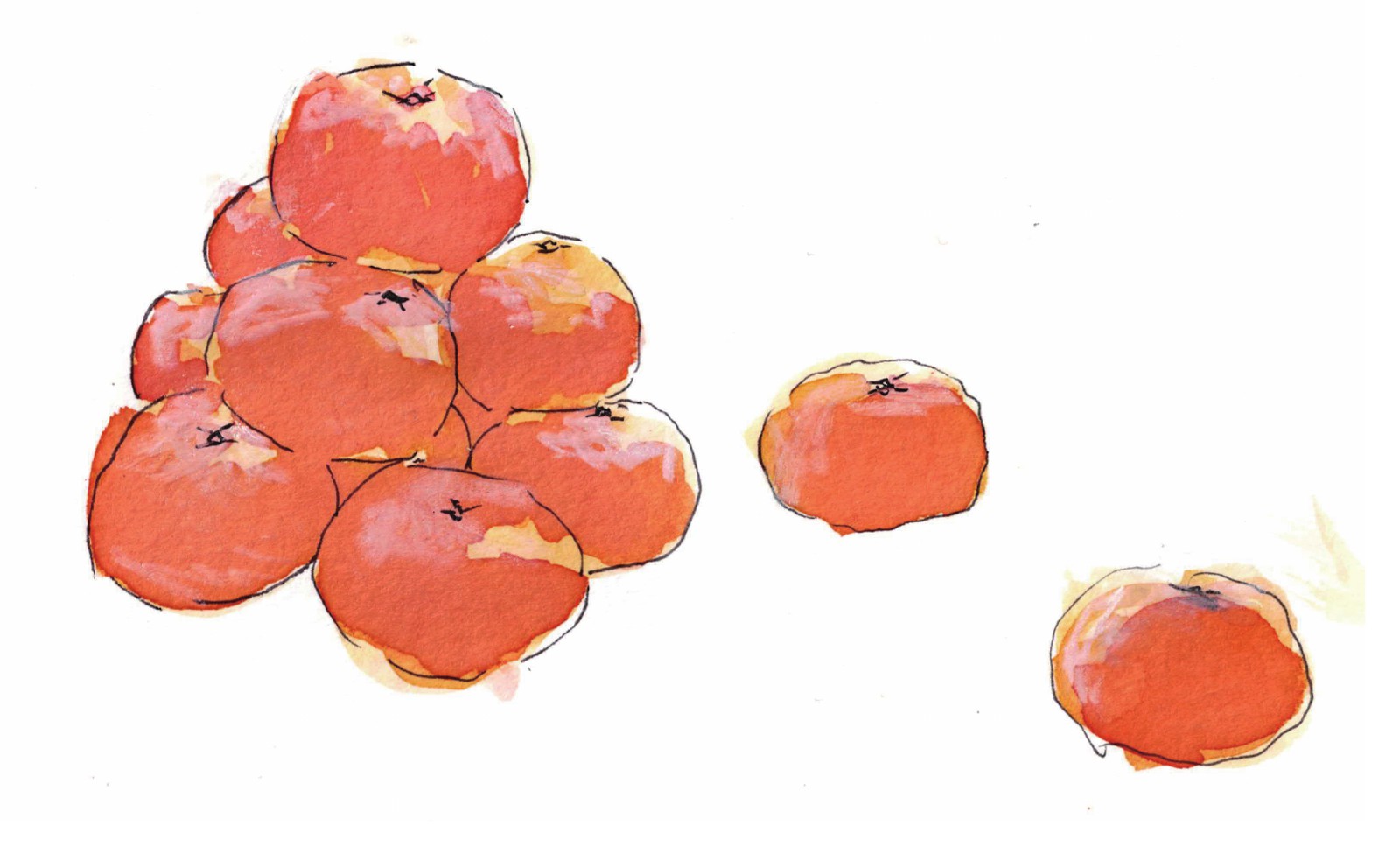
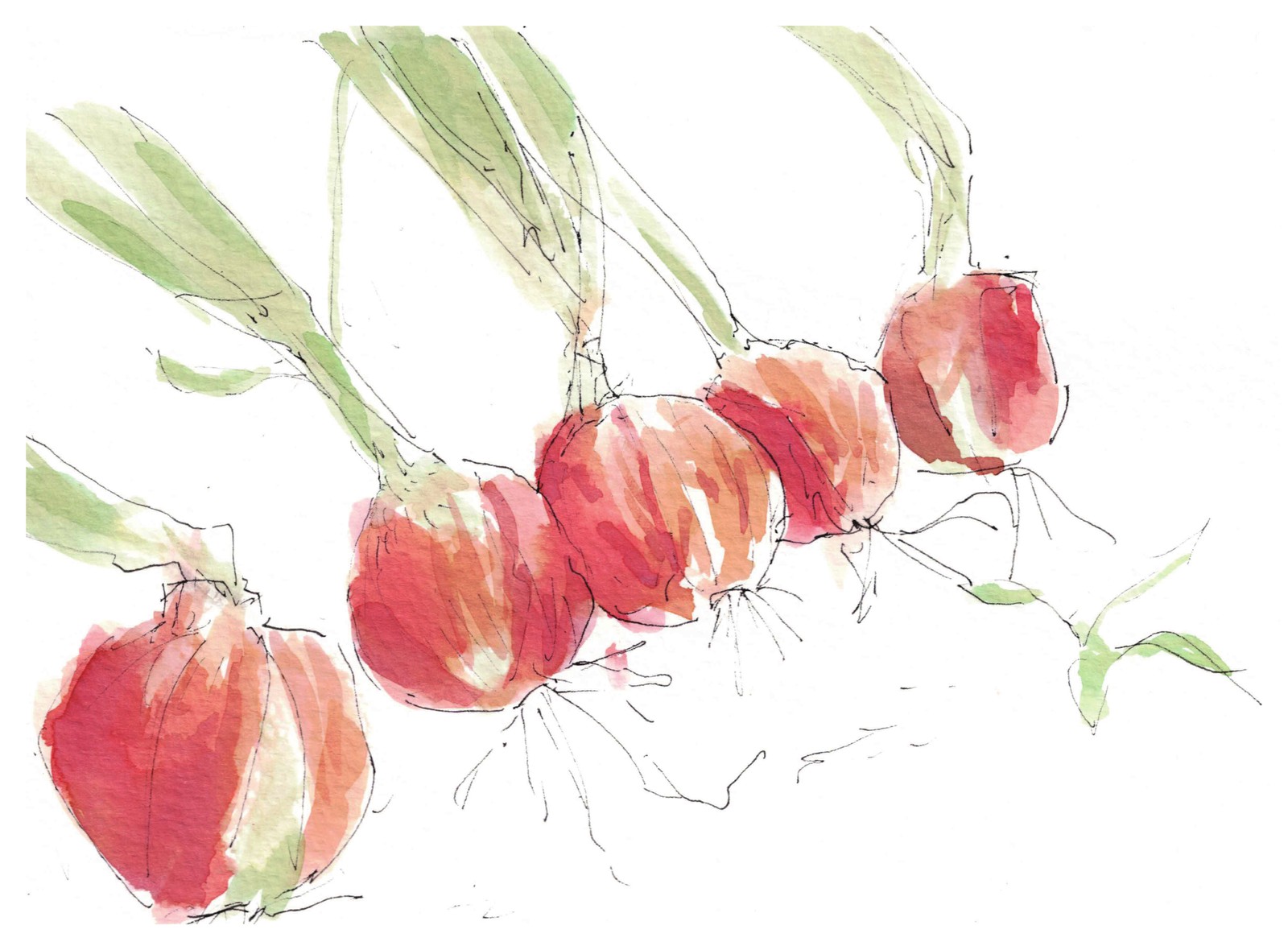
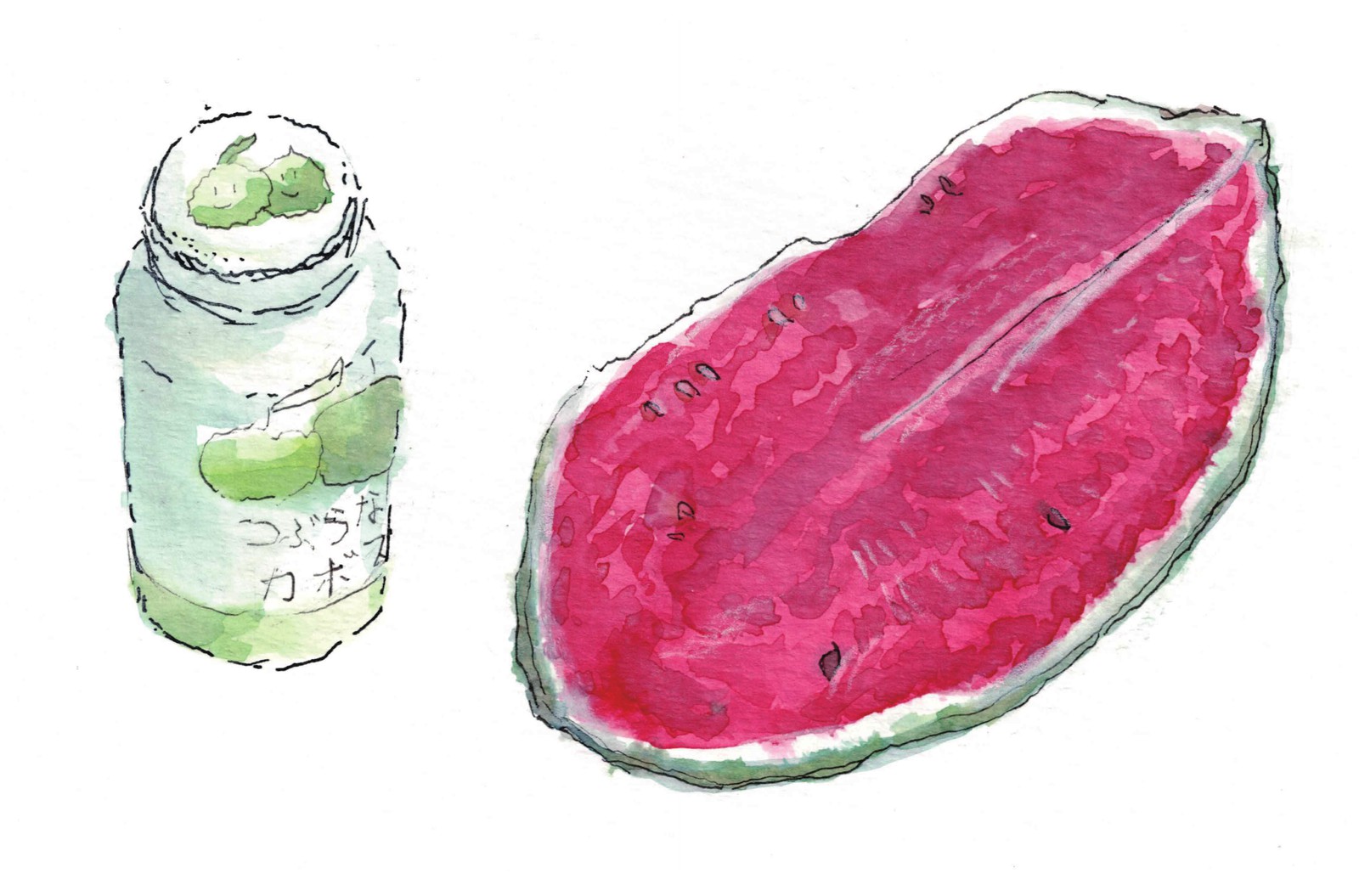
In 2026 the Red Dot School's Square group (the studio's resident-community and island-civic team) compiled a bilingual Sagishima Vegetable Farming Guide, a working reference for new farmers and residents. It records the range of crops grown on the island today and the practices behind them, listing twenty crops: asparagus, eggplant, tomato, watermelon, artichoke, melon, cucumber, carrot, orange (mikan and a local "blue orange"), strawberry, lemon, potato, grapefruit, purple string bean, onion, green bean, green onion, cabbage, kabocha squash, and fig. Each is given a planting and harvest calendar, growing notes, and blank fields in which to record the island farmers who grow it.
2026年、レッドドットスクールのSquareグループ(スタジオの定住コミュニティと島の市民を担うチーム)が、日英バイリンガルの佐木島 野菜栽培ガイドをまとめた。新規の農家や住民のための実用的な手引きで、いま島で育てられている作物の幅とその栽培の手立てを記録している。挙げられているのは二十の作物である。アスパラガス、ナス、トマト、スイカ、アーティチョーク、メロン、キュウリ、ニンジン、オレンジ(みかんと地元の「ブルーオレンジ」)、イチゴ、レモン、ジャガイモ、グレープフルーツ、紫インゲン豆、タマネギ、インゲン豆、ネギ、キャベツ、カボチャ、イチジク。それぞれに植え付けと収穫のカレンダー、栽培のメモ、そして育てている島の農家を書き込む空欄が添えられている。
The guide credits this range to the Seto Inland Sea climate: mild winters of roughly 5 to 10°C that rarely frost, so citrus and even artichoke overwinter outdoors; warm, humid summers of 25 to 32°C; around 1,100 mm of rain a year, dry by Japanese standards, which lowers blight risk; high sunshine; and shelter from wind by the surrounding islands. For most crops the growing season runs March through November.
ガイドはこの作物の幅を瀬戸内海式気候に帰している。冬はおよそ5〜10℃と穏やかで、霜が降りることはまれであり、柑橘やアーティチョークでさえ屋外で越冬する。夏は25〜32℃と暖かく湿る。年間降水量はおよそ1,100mmと日本の基準では乾いており、これが病害のリスクを下げる。日照は多く、周囲の島々が風を遮る。多くの作物にとって、栽培期は3月から11月に及ぶ。
A few details are particular to Sagishima:
佐木島に固有の点がいくつかある。
- A "blue orange" (青いオレンジ) is named as a local citrus, picked while its skin is still green and described as sweeter than it looks, grown alongside ordinary mikan. (Recorded in the guide; its standard varietal name is not yet confirmed, flagged in open questions.) 「ブルーオレンジ」(青いオレンジ)が地元の柑橘として挙げられている。皮がまだ緑のうちに収穫され、見た目より甘いとされ、ふつうのみかんと並んで育てられている。(ガイドに記録されたもので、正式な品種名はまだ確認できていない。未解決の問いに記す。)
- Island potato farmers use a custom rake contraption to lift tubers cleanly on the sloped ground. 島のジャガイモ農家は、斜面で塊茎をきれいに掘り上げるために手製の熊手のような道具を使う。
- Watermelon is grown in both a large and a small variety, with harvest counted at roughly forty days from flowering. スイカは大玉と小玉の両方が育てられ、収穫は開花からおよそ四十日を目安に数えられる。
- The guide lists artichoke among the twenty, consistent with the Foundation's deliberate artichoke introduction, a new crop on the island rather than a heritage one. ガイドはアーティチョークを二十のうちに挙げている。これは財団による意図的なアーティチョークの導入と整合する。島にとっては伝統ではなく、新しい作物である。
The Square group illustrated the guide with original watercolors of the island's crops.
Squareグループは、島の作物を描いたオリジナルの水彩画でガイドを彩った。
What we know / わかっていること
- Today's activity is a remnant of a much larger historical agriculture, documented in full on Historical Agriculture. Kaneto Shindo's 1960 footage shows terraced fields across most of the visible slope (see The Naked Island). 現在の営みは、かつてのはるかに大きな農業の名残である。詳細はかつての農業に記す。新藤兼人の1960年の映像には、見渡せる斜面のほぼ全体に段々畑が広がっている(裸の島を参照)。
- The lapse of formerly cultivated land into shallow-rooted reforestation is part of the island's slope-vulnerability story (see Hydrology and Thirsty Island). かつて耕されていた土地が、根の浅い再生林へと移り変わったことは、島の斜面の脆弱さをめぐる物語の一部である(水の問いと渇いた島を参照)。
Important distinction / 重要な区別
This page covers the island's current agriculture. Its historical farming (the heritage staples, salt-making, livestock, and tools) is documented separately on Historical Agriculture. The Foundation's artichoke work is a separate, forward-looking introduction, not island tradition; see Artichoke Project and keep the three clearly distinct.
このページが扱うのは、島の現在の農業である。島のかつての農業(主要作物、製塩、家畜、道具)はかつての農業に別途記す。財団のアーティチョークの活動は、別個の、未来に向けた導入であって、島の伝統ではない。アーティチョーク・プロジェクトを参照し、三者をはっきりと区別しておくこと。
Sources / 出典
- Primary: Square group field research, Sagishima, 2026: Sagishima Vegetable Farming Guide (Red Dot School Square group, bilingual, compiled 2026; the twenty-crop range, the Seto climate figures, the "blue orange," the potato rake, the two watermelon varieties). thered.school Old Home page (citrus, vegetables, flowers, salt, seaweed); 373.farm "Sagishima, a paradise for farmers" (lemons/oranges/melons, asparagus, well-drained soil, February harvest, Sagishima Village); Hiroshima Prefecture agricultural reports (373コーポレーション, rep. 小畠勘次; planted May 2022; first harvest 2023-02-13; environmental-control cultivation); Kaneto Shindo, The Naked Island (1960). 一次資料: Squareグループによる現地調査、佐木島、2026年。『佐木島 野菜栽培ガイド』(レッドドットスクールSquareグループ、日英バイリンガル、2026年編纂。二十作物の幅、瀬戸内の気候数値、「ブルーオレンジ」、ジャガイモの道具、二種のスイカ)。thered.school の Old Home ページ(柑橘、野菜、花、塩、海藻);373.farm「Sagishima, a paradise for farmers」(レモン・オレンジ・メロン、アスパラガス、水はけのよい土壌、2月の収穫、Sagishima Village);広島県の農業報告(373コーポレーション、代表 小畠勘次、2022年5月植え付け、2023年2月13日初収穫、環境制御栽培);新藤兼人『裸の島』(1960)。
- Tertiary: ja.wikipedia 佐木島 (agriculture-dominated; citrus, melons, watermelons, Chinese chives; no established fishing tradition). See bibliography. 三次資料: ja.wikipedia 佐木島(農業中心、柑橘・メロン・スイカ・ニラ、確立した漁業の伝統はない)。参考文献を参照。