draft
Civic Buildings / 公共・施設建築
The island's civic, institutional, and corporate buildings: the village hall, the community centers and halls, teacher housing, a relocated temple gate, and the postwar corporate recreation and training facilities. They belong to the same built fabric that has been emptying out, but most are not akiya in the private-house sense; see Akiya for the vacant private houses and the Workshop's deconstruction practice.
島の公共・施設・企業建築。村役場、公民館・公会堂、教員住宅、移築された寺院の山門、そして戦後の企業保養・研修施設である。これらは空き家化してきた同じ建築的環境の一部だが、その多くは民家という意味での「空き家」ではない。無人の民家とワークショップの解体実践については空き家を参照。
Source note: This page draws on さぎしま讃歌 and 双鷺洲. Japanese is authoritative for all names and dates; the books' English romaji is unreliable and was not trusted. Several entries are caption- or memoir-derived and several proper-noun readings are TENTATIVE; all are flagged inline for native or historian review before formal use.
出典について:本ページは『さぎしま讃歌』『双鷺洲』による。名称・年代は日本語を正とし、書籍のローマ字表記は信頼できないため採用していない。一部はキャプションや回想に由来し、いくつかの固有名詞の読みは暫定(TENTATIVE)である。正式使用の前に母語話者・歴史家の確認を要する点を本文中に明示する。
Village hall and administrative buildings / 役場・行政の建物
- Three civic buildings are recorded on the island: the Sagiura Village Hall (鷺浦村役場 / Sagiura-mura Yakuba), the Mukōda Community Center (向田公民館 / Mukōda Kōminkan), and the Central Community Center (中央公民館 / Chūō Kōminkan) (さぎしま讃歌 p.2-7). 島には三つの公共建築が記録されている。鷺浦村役場、向田公民館、そして中央公民館である(さぎしま讃歌 p.2-7)。
Community centers and halls / 公民館・公会堂
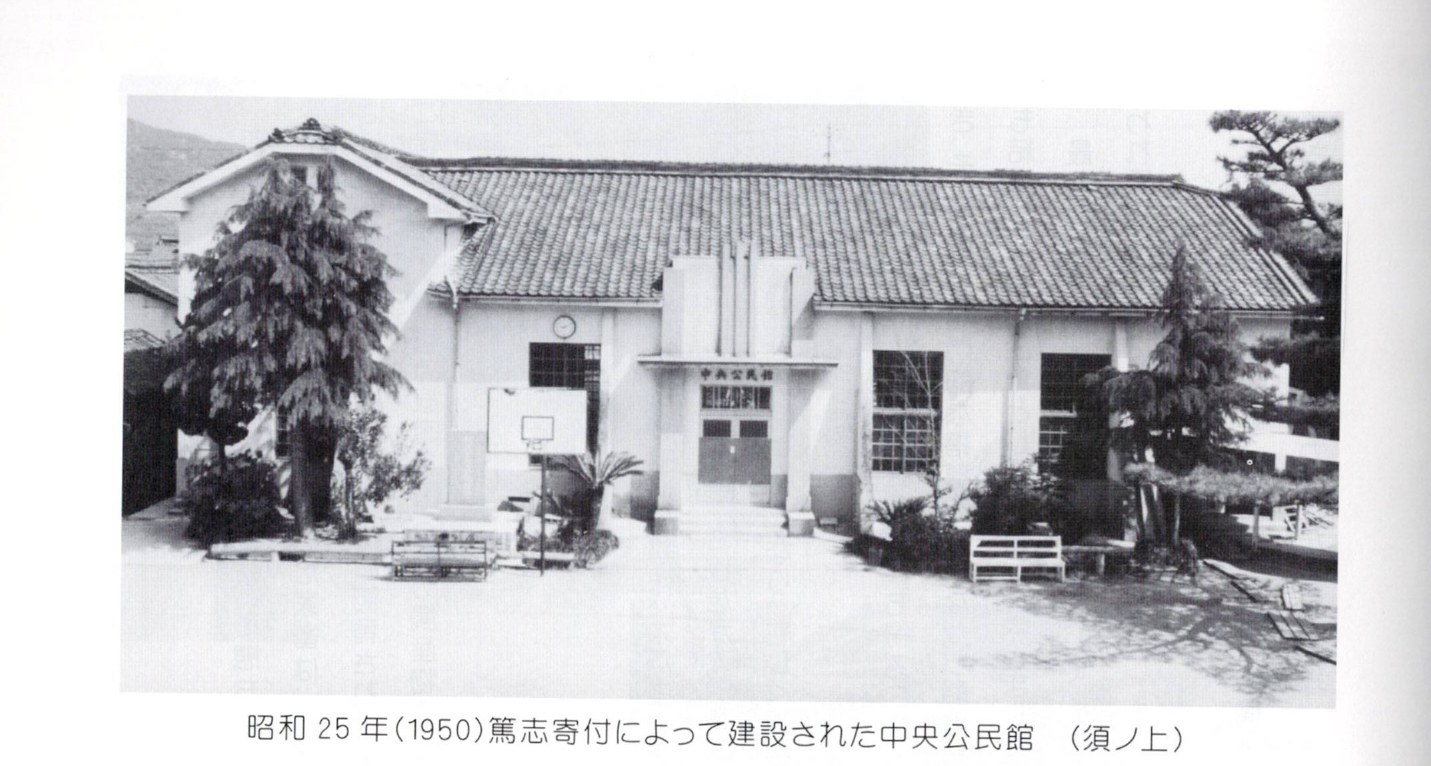
These civic halls are easily confused; treat them as distinct until verified.
これらの公共の集会施設は混同しやすいため、確認がとれるまで別個のものとして扱う。
- Sagishima Development Comprehensive Center / Sagiura Community Center (佐木島開発総合センター → 鷺浦コミュニティセンター). Built in 1985 (Shōwa 60) beside the Mukōda Jizō (向田地蔵); as of the early 2010s it served as a base for the social-education activities of Sagiura town (鷺浦町), covering community development and community activities in general, and was later renamed the Sagiura Community Center (さぎしま讃歌 p.185). 佐木島開発総合センター → 鷺浦コミュニティセンター。 1985年(昭和60年)、向田地蔵のそばに建てられた。2010年代前半時点では、まちづくりや地域活動全般を含む鷺浦町の社会教育活動の拠点として用いられており、のちに鷺浦コミュニティセンターと改称された(さぎしま讃歌 p.185)。
- Sagiura Village Central Community Hall (鷺浦村中央公民館). Built through the philanthropic donation (篤志寄付) of four individuals (四氏) and used for a wide range of purposes including respect-for-the-aged and comfort gatherings (敬老会・慰安会) (双鷺洲 p.199). 鷺浦村中央公民館。 四氏の篤志寄付によって建てられ、敬老会・慰安会など多様な用途に用いられた(双鷺洲 p.199)。
- The year 1950 (Shōwa 25) appears next to the hall's caption rather than in a sentence asserting the build year; treat it as caption-derived (medium confidence) and confirm against the photograph. The four donors are unattributed in the source. Needs native or historian review; donor and date held for reconciliation. 1950年(昭和25年)は本文の断定ではなく写真キャプションに隣接して現れるため、キャプション由来(確度中)として扱い、写真で確認のこと。四名の寄付者は出典では特定されていない。要・専門家確認。寄付者と年代は保留。
- Sagiura Community Hall (鷺浦公民館, the rebuilt assembly hall). The adjacent public assembly hall (公会堂, kōkaidō) was rebuilt into what was, as of 2015, the Sagiura Community Hall; a piano was donated, and the hall was used for school ceremonies, as a music room, and as a rainy-day gymnasium (双鷺洲 p.199-201). 鷺浦公民館(改築された公会堂)。 隣接する公会堂は、2015年時点での鷺浦公民館へと改築された。ピアノが寄贈され、学校行事、音楽室、雨天時の体育館として使われた(双鷺洲 p.199-201)。
- This comes from a memoir passage rather than a documentary record, and no rebuild year is given. Needs native or historian review. これは記録文書ではなく回想記の一節に由来し、改築年も示されていない。要・専門家確認。
Do not conflate the three: the Central Community Hall (鷺浦村中央公民館, four-donor gift), the Community Hall (鷺浦公民館, the rebuilt 公会堂 with the donated piano), and the Community Center (鷺浦コミュニティセンター, the renamed 1985 佐木島開発総合センター). Verify whether any are the same structure under successive names. HELD for reconciliation.
三者を混同しないこと。鷺浦村中央公民館(四氏の寄付)、鷺浦公民館(ピアノ寄贈の改築された公会堂)、鷺浦コミュニティセンター(1985年の佐木島開発総合センターを改称)。いずれかが同一建物の改称かを確認のこと。保留。
Teacher housing / 教員住宅
- In 1953 (Shōwa 28), village-run housing (村営住宅 / son'ei jūtaku) was built in each district to serve as teacher housing (さぎしま讃歌 p.24). 1953年(昭和28年)、各地区に村営住宅が建設され、教員住宅として用いられた(さぎしま讃歌 p.24)。
- This may be the direct provenance for the building on Akiya: that page's lead describes "the former municipal housing (旧市営住宅) the Workshop has been deconstructing." The terms differ (村営 = village-run vs 市営 = city/municipal) and may reflect pre- and post-merger naming. HELD for reconciliation until the link is confirmed. これは空き家の建物の直接の来歴かもしれない。同ページの冒頭は「ワークショップが解体を進めてきた旧市営住宅」に言及する。村営(村運営)と市営(市運営)は語が異なり、町村合併の前後の呼称を反映している可能性がある。関係が確認されるまで保留。
Theater / 劇場
- Kameyama Theater, Mukōda (亀山劇場). Built in 1955 (Shōwa 30), after the war, in Mukōda (向田) by Nishida Michio (西田通夫); it operated until around 1963 (Shōwa 38) (さぎしま讃歌 p.166). 亀山劇場(向田)。 1955年(昭和30年)、戦後、向田に西田通夫によって建てられ、昭和38年(1963年)頃まで営業していた(さぎしま讃歌 p.166)。
Relocated temple gate / 移築された山門
- The sanmon (mountain gate / 山門) of Anrakuji (安楽寺) was received in 1877 (Meiji 10) from the Onari-gomon (御成御門) of the Asano Tadafusa (浅野忠英, reading TENTATIVE) residence inside Mihara Castle (三原城), and relocated to the temple (さぎしま讃歌 p.130). See Anrakuji. 安楽寺の山門は、1877年(明治10年)に三原城内の浅野忠英(読みは暫定)邸の御成御門を譲り受けて、寺に移築されたものである(さぎしま讃歌 p.130)。安楽寺を参照。
- This is an early documented case of building relocation and reuse on or near the island, resonant with the Workshop's hikiya and material-reuse practice; a future cross-link to Deconstruction Ceremony is worth considering. これは島周辺における建物の移築・転用の早い記録例であり、ワークショップの曳家・資材再利用の実践と響き合う。解体の儀式への相互リンクを将来検討する価値がある。
Postwar corporate facilities / 戦後の企業施設
- In 1972 (Shōwa 47), Sharp Corporation (シャープ) built a white reinforced-concrete recreation center (保養所 / hoyojo) on a hill above the Sagi-shiri River (佐木尻川, name TENTATIVE), overlooking Kosagishima (小佐木). The view was renowned and the facility widely used, but it fell out of use and was demolished in 2009 (Heisei 21) (さぎしま讃歌 p.159). 1972年(昭和47年)、シャープは佐木尻川(河川名は暫定)を見下ろす丘の上に、小佐木を望む白い鉄筋コンクリート造の保養所を建てた。眺望は名高く広く利用されたが、のちに使われなくなり、2009年(平成21年)に解体された(さぎしま讃歌 p.159)。
- The 1972-built, 2009-demolished arc is a clean documented case of a substantial island building going from prized to disused to demolished, the same life-cycle Akiya narrates at the scale of private houses. 1972年建設・2009年解体という経緯は、島の大規模建築が誇りから不使用、解体へと至る明確な記録であり、空き家が民家の規模で語るのと同じライフサイクルである。
- The Mitsubishi Training Center (三菱研修センター) and the Setouchi Silver Center (瀬戸内シルバーセンター) were completed, creating an environment well suited to event venues (双鷺洲 p.242). 三菱研修センターと瀬戸内シルバーセンターが完成し、イベント会場に適した環境が整えられた(双鷺洲 p.242)。
- No year is recorded, and the underlying primary for this entry is not yet traced. Native or archival review is needed to date these and to confirm whether either still stands. 年代は記録されておらず、本項の一次資料は未特定。年代の特定と現存の確認のため、資料調査による査読を要する。
Monuments / 記念碑
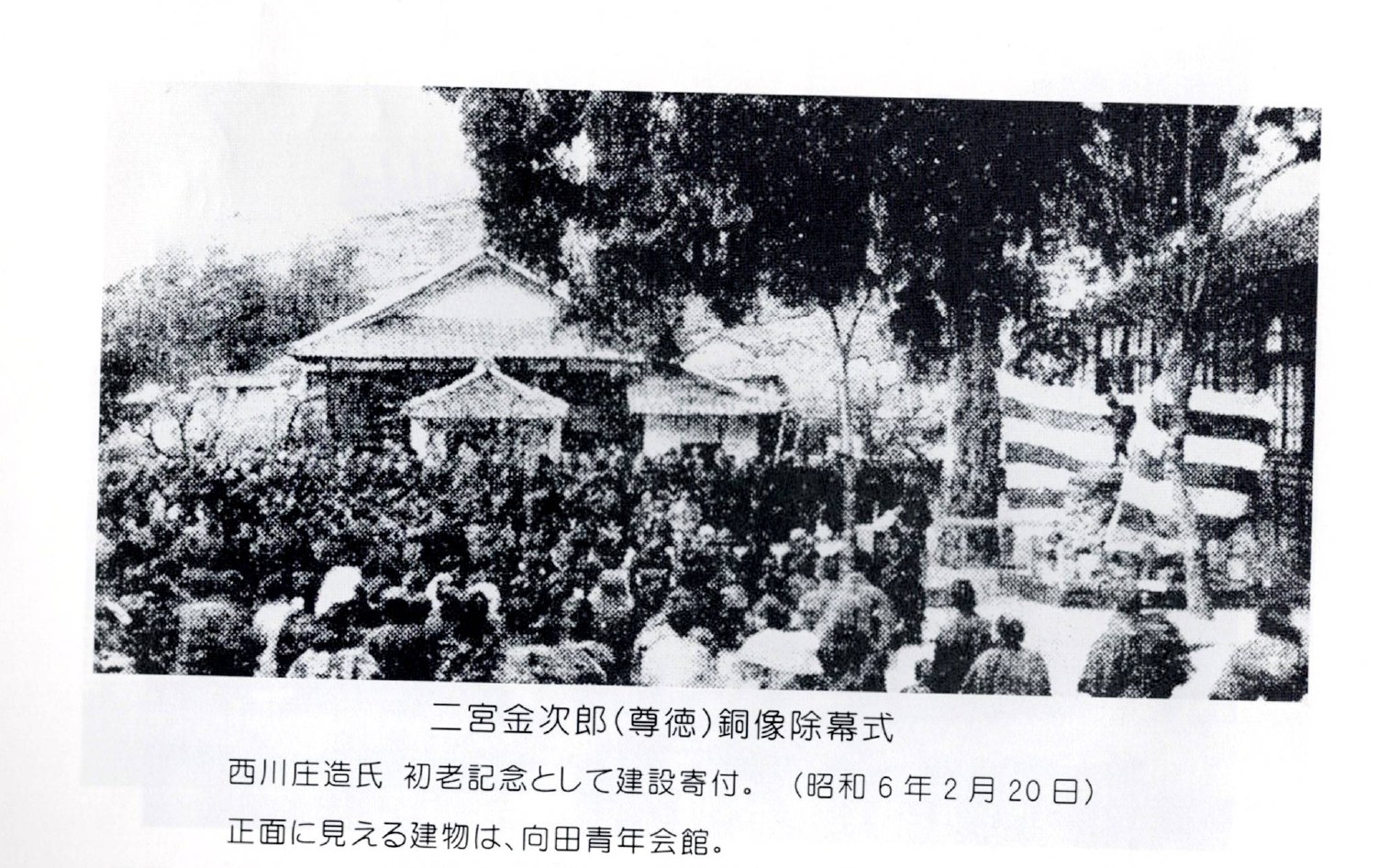
- A prefectural-road construction monument associated with the Waryōishi Jizō (和霊石地蔵県道建設碑, reading and parsing TENTATIVE) was erected in 1952 (Shōwa 27) (さぎしま讃歌 p.98). Whether 和霊石地蔵 is an existing Jizō statue to which the road monument was attached, or a single compound monument name, needs review. The Waryōishi Jizō statue itself is treated under Temples and Shrines. 1952年(昭和27年)、和霊石地蔵県道建設碑(読み・区切りは暫定)が建立された(さぎしま讃歌 p.98)。和霊石地蔵が既存の地蔵でその県道建設碑が付随するのか、単一の碑の名称なのかは要確認。和霊石地蔵そのものは寺社で扱う。
Related / 関連
- Akiya · Kakumeisha (the 格明舎 schoolhouse) · Sunoue Gymnasium · Anrakuji · Temples and Shrines 空き家・格明舎・須ノ上体育館・安楽寺・寺社
Sources / 出典
- Primary: さぎしま讃歌 pp.24, 98, 130, 159, 166, 185 (civic buildings, teacher housing, theater, temple gate, Sharp recreation center, development center). / 一次資料:さぎしま讃歌 24・98・130・159・166・185頁。
- Primary (compilation / memoir): 双鷺洲 pp.199-201, 242 (community halls; Mitsubishi and Setouchi Silver centers). Memoir and compendium register; cite the deeper primary once identified. See bibliography. / 一次資料(編纂・回想):双鷺洲 199-201・242頁。引用元の一次資料が特定でき次第併記すること。参考文献を参照。