draft
Sunoue / 須ノ上
Overview / 概要
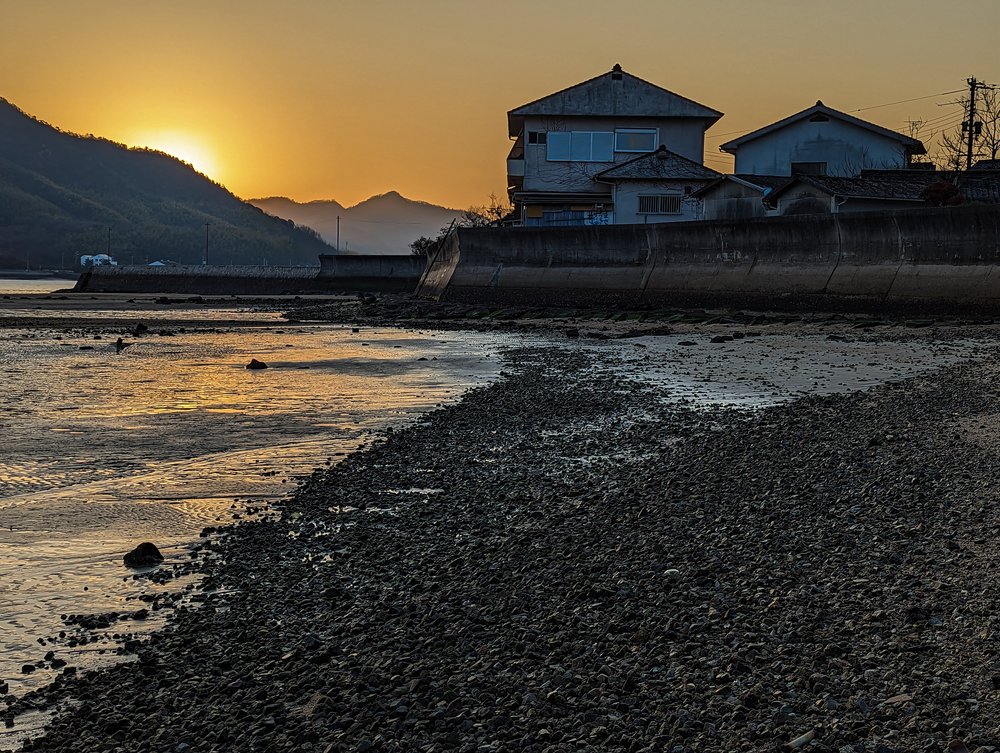
The northern district of the island and the Foundation's home ground. Sunoue is where Kakumeisha stands, where the Sunoue Gymnasium stands, and where the 6:30am Radio Taiso is held. Isso lives in Sunoue. When the Welcome speaks of "Sunoue Township" as the rhythm anchor of the Foundation, this is the place it means.
島の北部の地区であり、財団の本拠地。須ノ上には格明舎が建ち、須ノ上体育館が建ち、朝6時30分のラジオ体操が行われる。イッソは須ノ上に暮らしている。ウェルカム文書が財団の生活のリズムを支える要として「須ノ上集落」に触れるとき、それが指しているのはこの場所である。
How the map was made: use and care / 地図の作り方:利用と管理
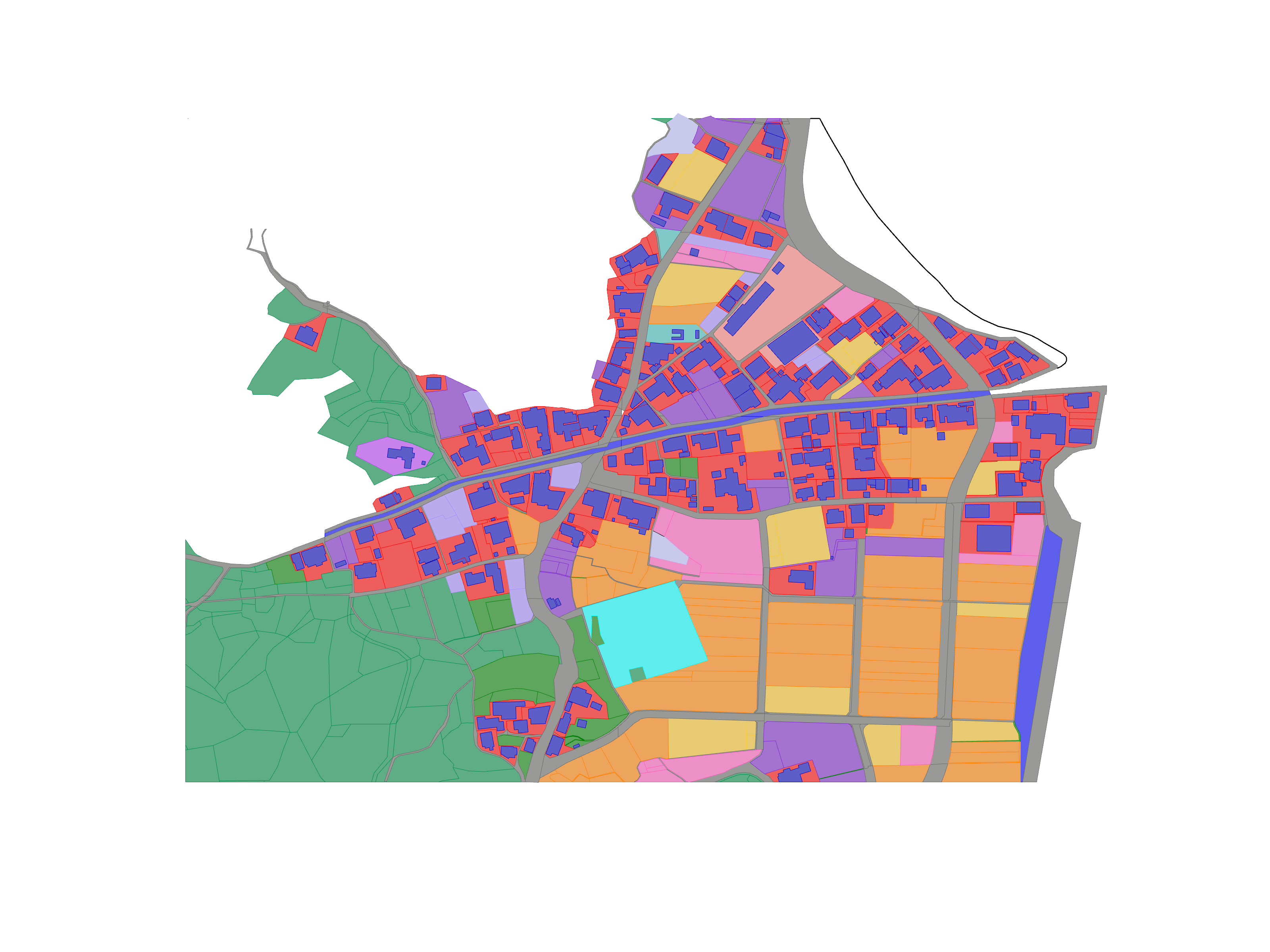
The Square group built the map from two field surveys of Sunoue, working parcel by parcel over a 2003 base map. A level-of-use survey was done by asking residents how each plot is used (home farming by locals, ex-locals, or new arrivals; business farming; or vacant land); a level-of-care survey was done visually, by walking the district and reading each plot's condition.
Squareグループは、2003年の base map をもとに、区画ごとに二つの現地調査を行ってこの地図をつくった。利用度の調査は、各区画がどう使われているか(地元住民・元地元住民・移住者による自家用農業、商業農業、または更地)を住民への聞き取りで把握し、管理状況の調査は、地区を歩いて各区画の状態を目視で読み取ることで行った。
The care reading sorts every parcel onto a five-level scale, from land in full production to land that nature is taking back:
管理状況の読み取りは、すべての区画を、十分に作付けされた土地から自然に還りつつある土地まで、五段階の尺度に振り分ける。
- Level 1, Fully Farmed: actively cultivated land in regular production. レベル1 完全耕作: 通常どおり作付けされ、活発に耕されている土地。
- Level 2, Partially Farmed: land in partial use, with some sections left fallow. レベル2 部分耕作: 一部のみ使われ、休閑となっている区画を含む土地。
- Level 3, Tended: maintained but not actively farmed. レベル3 管理のみ: 耕作はされていないが、手入れはされている土地。
- Level 4.1, Recently Abandoned: no active use in the last one to three years. レベル4.1 放棄(近年): 過去1〜3年、使われていない土地。
- Level 4.2, Abandoned 3+ Years: long-term abandonment, the land reverting to nature. レベル4.2 放棄(3年以上): 長期にわたり放棄され、自然に還りつつある土地。
This scale is the heart of the group's reading of the island's predicament: untended land is not only lost production but, as residents note, an invitation to weeds, wild boar, and the quiet sense of meiwaku (迷惑), of burdening one's neighbors. The map's parcel colors encode these levels; the exact color-to-level key is not reproduced here (see open questions).
この尺度は、島の苦境についてのグループの読み取りの核心である。手入れされない土地は、失われた生産であるだけでなく、住民が語るように、雑草とイノシシを招き、隣人に負担をかけるという「迷惑」の静かな感覚を呼ぶ。地図の区画の色はこれらの段階を表しているが、色と段階の正確な対応表はここには再現していない(未解決の問いを参照)。
What we know / わかっていること
- The Foundation's deepest community relationships have formed here. 財団にとって最も深い地域との関係は、ここで築かれてきた。
- Sunoue Port and Sunoue Beach are the arrival point and the gathering place for public events (see Ports and Landing). 須ノ上港と須ノ上ビーチは、上陸の地点であり、対外的な催しのための集いの場である(港と上陸地点を参照)。
- The former Sunoue Elementary School (now closed) and its gymnasium sit here; the gymnasium is the Workshop's salvage warehouse, and the adjacent school is a live acquisition question. 旧須ノ上小学校(現在は閉校)とその体育館がここにある。体育館はワークショップのサルベージ倉庫として使われており、隣接する校舎は取得を検討中の課題である。
Related / 関連
History of Sunoue / 須ノ上の歴史
Note for review / レビュー用注記 The facts below are drawn from two local histories, さぎしま讃歌 and 双鷺洲, and from primary documents those books quote (shrine ridge-plaques 棟札, cooperative reports, prefectural records). Many proper-noun readings are reconstructed from kanji and are marked TENTATIVE; passages derived from classical or OCR-damaged Japanese are flagged. A native reader and a local historian should verify names, readings, and dates before this material is used outward-facing. 以下の事実は二つの郷土史『さぎしま讃歌』『双鷺洲』、およびそれらが引用する一次資料(神社棟札、組合報告、県の記録など)に基づく。多くの固有名詞の読みは漢字からの推定であり「TENTATIVE(暫定)」と記す。古文・OCR破損箇所に由来する記述には注意書きを付した。対外利用の前に、母語話者および地元の郷土史家による確認が望ましい。
Land and reclamation / 土地と新開(干拓)
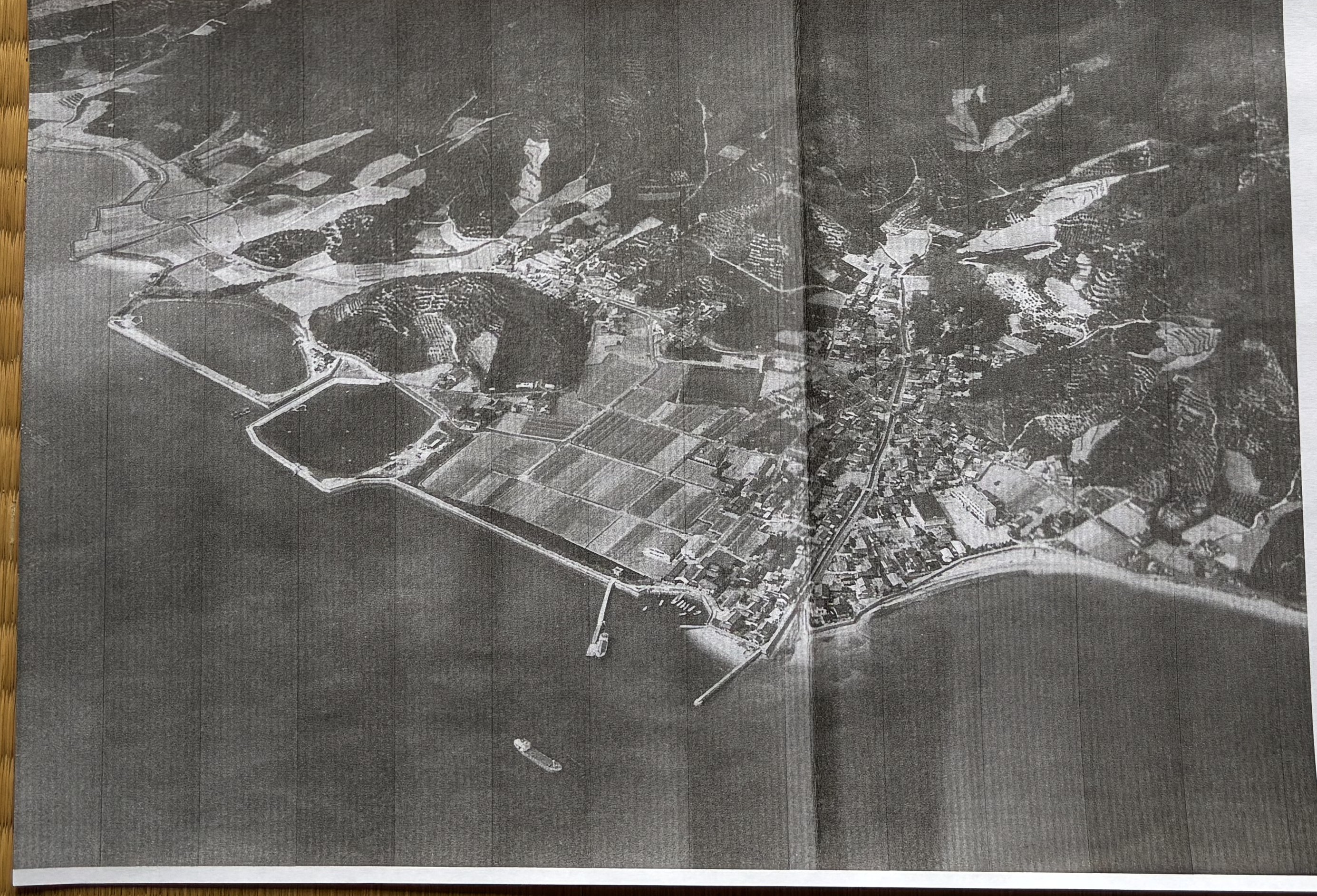
- Sunoue has little flat land, so much of its workable ground was created by reclaiming shallow tidal beaches over the nineteenth century. Reclamation was carried out at both Mukōda and Sunoue through the Bunsei era (1818 to 1830) (双鷺洲 p.244). 須ノ上は平地が乏しく、その耕地の多くは十九世紀を通じて浅い干潟を干拓して造成された。文政年間(1818年から1830年)にかけて、向田と須ノ上の双方で新開(干拓)が進められた(双鷺洲 p.244)。
- New paddy fields were made at Sunoue in 1833 (Tenpō 4) (双鷺洲 p.244). Sunoue's Gō-shinkai (郷新開) was reclaimed the following year, 1834 (Tenpō 5), from a shallow tidal beach; being low-lying, water collected easily, so most of it was turned into rice paddies (さぎしま讃歌 p.116). 須ノ上では1833年(天保4年)に新田が開かれた(双鷺洲 p.244)。翌1834年(天保5年)には浅い干潟から須ノ上郷新開が干拓され、低地で水がたまりやすかったため、その大半が水田となった(さぎしま讃歌 p.116)。
- South of the Sunoue River the reclaimed land was divided into two named tracts, Naka-shinkai (中新開) and Gō-shinkai (郷新開), which are believed not to have been reclaimed at the same time (さぎしま讃歌 p.115). 須ノ上川の南側の干拓地は中新開と郷新開という二つの名のある区画に分かれ、両者は同時に干拓されたものではないと考えられている(さぎしま讃歌 p.115)。
- The north-south road in front of the present meeting house was once a small road called Naka-dote (中土手). It marked the boundary: the higher western side was Naka-shinkai, and the sea-side eastern tract was Gō-shinkai (さぎしま讃歌 p.115). 現在の集会所前の南北の道は、かつて中土手と呼ばれる小道であった。それが境界をなし、高い西側が中新開、海側の東側が郷新開であった(さぎしま讃歌 p.115)。
- Both tracts held rice paddies and dry fields, but because Sunoue has little flat land the majority was rice paddy. In Gō-shinkai, dry fields were built along a seaside reservoir locally called "akusu" (あくす) at a place known as "hirachōba" (ひらちょう場, reading TENTATIVE) (さぎしま讃歌 p.115). 両区画とも水田と畑を持っていたが、須ノ上は平地が乏しいため大半は水田であった。郷新開では、「あくす」と呼ばれる海辺の溜め池に沿って「ひらちょう場」(読みTENTATIVE)という場所に畑が作られた(さぎしま讃歌 p.115)。
- A monument titled "Sagiura-chō Land Improvement District Paddy-Conversion Special Countermeasure Project Commemorative Monument" stands at Sunoue, erected by the Sagiura-chō Land Improvement District (鷺浦町土地改良区); its director (理事長) was Tanaka Shin'ichi (田中信一, TENTATIVE) (双鷺洲 p.263). [Year given as 1973 (Shōwa 48).] 須ノ上には「鷺浦町土地改良区 水田転換特別対策事業記念碑」と題する記念碑が立ち、鷺浦町土地改良区によって建立された。理事長は田中信一(TENTATIVE)であった(双鷺洲 p.263)。〔年は1973年(昭和48年)とされる。〕
Salt fields / 塩田
- A salt field was established at Sunoue by Yamashita Seihachirō (山下精八郎, TENTATIVE) in 1889 (Meiji 22) (さぎしま讃歌 p.16; 双鷺洲 p.244). The field was built as an irihama-style (入浜式) beach salt field; an earlier agehama-style (揚げ浜式) field is thought to have existed but is undocumented (さぎしま讃歌 p.128). 須ノ上の塩田は1889年(明治22年)に山下精八郎(TENTATIVE)によって開かれた(さぎしま讃歌 p.16、双鷺洲 p.244)。塩田は入浜式の浜塩田として築かれた。それ以前に揚げ浜式の塩田があったと推測されるが、記録は残っていない(さぎしま讃歌 p.128)。
- The Sunoue salt field was divided by an inlet into two beaches: Kitahama (北浜, also called Ichiban-hama / 一番浜) and Minamihama (南浜, also called Niban-hama / 二番浜) (さぎしま讃歌 p.118, p.128). 須ノ上の塩田は入江によって二つの浜に分かれていた。北浜(一番浜とも)と南浜(二番浜とも)である(さぎしま讃歌 p.118、p.128)。
- Salt-field areas and owners around 1907 (Meiji 40 era), Sunoue: Minamihama 1.6713, owner Yamashita Seihachirō; Kitahama 1.6912, owner Yamashita Seihachirō (双鷺洲 p.266). 明治40年頃(およそ1907年)の塩田の面積と所有者、須ノ上:南浜 1.6713 山下精八郎、北浜 1.6912 山下精八郎(双鷺洲 p.266)。
- By around 1954 (Shōwa 29 to 30s), the same two Sunoue fields (Minamihama 1.6713, Kitahama 1.6912) were owned by Yamashita Atsukichi (山下篤吉, TENTATIVE) (双鷺洲 p.267). 昭和29年から30年代頃(およそ1954年)には、同じ須ノ上の二つの塩田(南浜 1.6713、北浜 1.6912)の所有者は山下篤吉(TENTATIVE)であった(双鷺洲 p.267)。
Date discrepancy flagged for review / 年代の不一致(要確認) One passage dates the Sunoue salt field to "明治2年(1889)," but Meiji 2 equals 1869, not 1889. The Western year (1889) and the consistent other citations point to Meiji 22; the "明治2" appears to be a source typo or OCR error (さぎしま讃歌 p.128). ある箇所では須ノ上塩田を「明治2年(1889)」とするが、明治2年は1869年であって1889年ではない。西暦(1889年)および他の一致する記述からは明治22年が正しいと考えられ、「明治2」は原典の誤記またはOCR誤りと思われる(さぎしま讃歌 p.128)。
Agriculture, the boat trade, and Innoshima ties / 農業・船稼ぎと因島とのつながり
- The Sunoue district faces Ii (重井) on Innoshima (因島) and historically had heavy traffic with it. Ii had many merchants, so Sunoue produce was sold there and daily goods were brought back from there. Much of the east-coast farmland, centered on Sunoue, came to be owned by people of Ii, sold to them in times of hardship; people once came by farm-boat from Ii to cultivate, though as of 2015 this was rarely seen (双鷺洲 p.253, quoting 三原市史). 須ノ上の地区は因島の重井に面し、歴史的に往来が盛んであった。重井には商人が多く、須ノ上の産物はそこで売られ、日用品もそこから運ばれた。須ノ上を中心とする東海岸の農地の多くは重井の人々の所有となり、困窮の折に売られたものである。かつては重井から農船で耕作に来る人も多かったが、2015年時点ではほとんど見られなかった(双鷺洲 p.253、『三原市史』より)。
- In 1918 (Taishō 7), the end of the First World War ended the wartime munitions boom; stock crashes and corporate bankruptcies followed, the boat-trade livelihood (funakasegi / 船稼ぎ) slumped, and combined with crop failure, Sunoue farmland flowed to people of Ii (双鷺洲 p.252). A related account places the shipping-trade depression around 1919 (Taishō 8), with farmland passing to people of Shigei (重井) (さぎしま讃歌 p.245). 1918年(大正7年)、第一次世界大戦の終結で戦時の軍需景気が終わり、株の暴落や企業倒産が相次ぎ、船稼ぎの生業が不振となり、凶作も重なって須ノ上の農地は重井の人々の手に渡った(双鷺洲 p.252)。関連する記述は、海運業の不況をおよそ1919年(大正8年)とし、農地が重井の人々に渡ったとする(さぎしま讃歌 p.245)。
Reading note / 読みの注記 The kanji 重井 is given here as both "Ii" and "Shigei" in different extractions of the source. 重井 on Innoshima is conventionally read "Shigei." The "Ii" reading is flagged TENTATIVE and should be reconciled to the local standard during review. 漢字「重井」は、出典の抽出箇所によって「Ii」とも「Shigei」とも記されている。因島の重井は通常「しげい(Shigei)」と読む。「Ii」の読みはTENTATIVEとして要確認。
- As its Kigen-2600 commemorative project in 1940 (Shōwa 15), the Sunoue Youth League / Youth Association (須ノ上青年団) cleared and reclaimed the land around Enokidani Pond (榎木谷池, also called the New Pond / 新池, Shin'ike) and planted 1,500 hinoki cypress (ヒノキ / 檜) and cedar (杉) trees there (さぎしま讃歌 p.135; 双鷺洲 p.237). 紀元2600年の記念事業として、1940年(昭和15年)に須ノ上青年団が榎木谷池(新池とも)の周辺を開墾し、檜と杉あわせて1,500本を植えた(さぎしま讃歌 p.135、双鷺洲 p.237)。
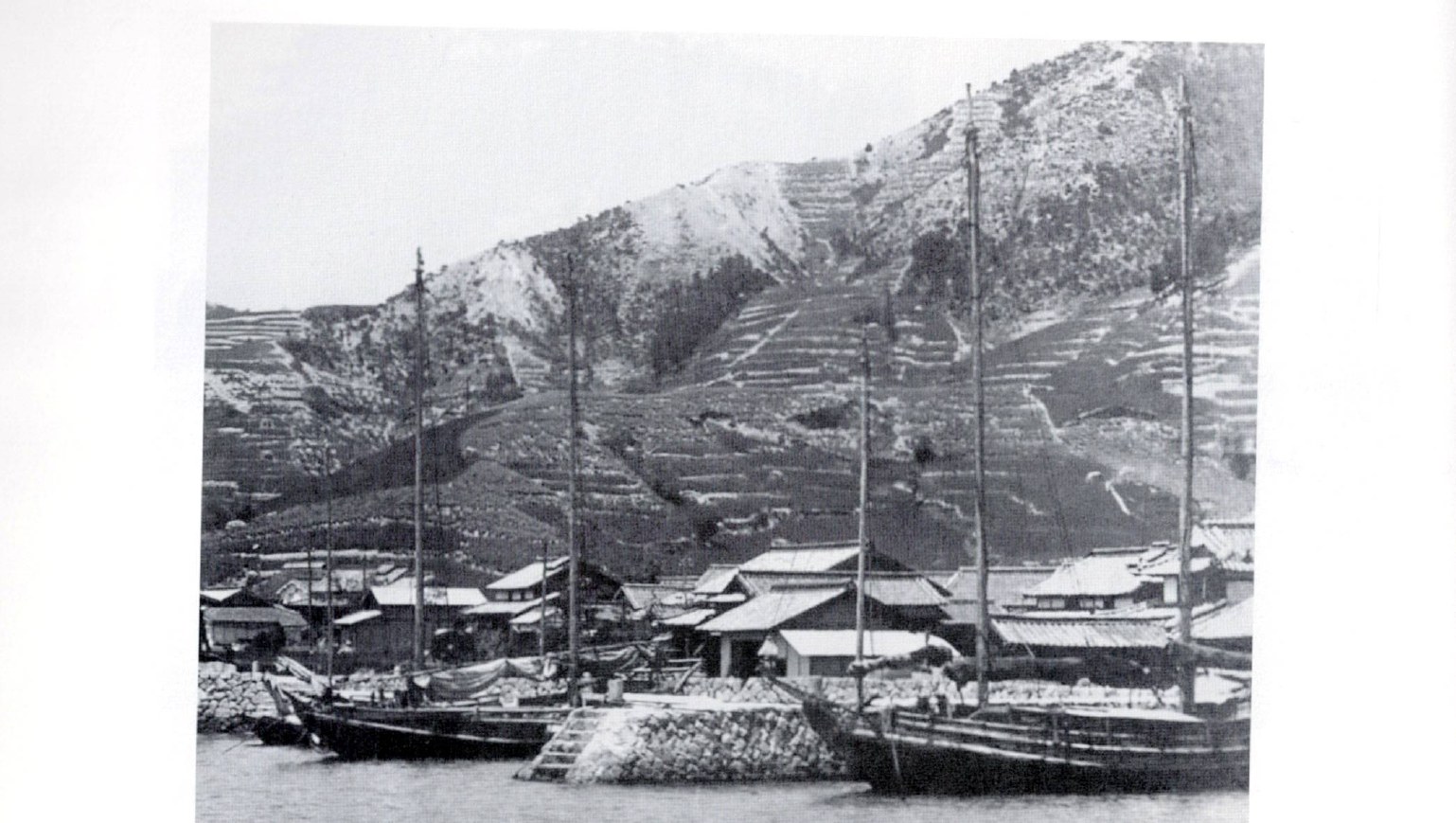
- Maruyama (丸山, read まるくやま, reading TENTATIVE) in Sunoue is one of the mountains that changed shape: with greenhouse cultivation advancing and the population aging, its mountain fields had ceased to be farmed, and as of the early 2010s the landslide and soil-runoff problems that once plagued it were no longer visible (さぎしま讃歌 p.176). 須ノ上の丸山(読み「まるくやま」、TENTATIVE)は姿を変えた山の一つである。ハウス栽培が進み、高齢化も進んで山の畑は耕作されなくなり、2010年代初頭の時点では、かつて悩まされた山崩れや土砂流出の問題も見られなくなっていた(さぎしま讃歌 p.176)。
Cooperatives and industry / 産業組合と工業
- The Sunoue Industrial Cooperative (須ノ上産業組合) was established in 1911 (Meiji 44) (さぎしま讃歌 p.150). The Third Business District (Sunoue) reported business results for fiscal Meiji 44 / 1911 (双鷺洲 p.234, citing the 須ノ上事業区 Meiji 44 report). 1911年(明治44年)に須ノ上産業組合が設立された(さぎしま讃歌 p.150)。第三事業区(須ノ上)は明治44年度(1911年)の事業成績を報告している(双鷺洲 p.234、明治44年「須ノ上事業区」報告より)。
- In 1930 (Shōwa 5) the Sagiura Credit, Sales, Purchasing and Utilization Cooperative (鷺浦信用販売購買利用組合) was formed (さぎしま讃歌 p.150). In 1940 (Shōwa 15) the name was changed to Sunoue Industrial Cooperative (須ノ上産業組合), and a two-story agricultural cooperative office building was constructed at Sunoue that year (さぎしま讃歌 p.150-151). 1930年(昭和5年)に鷺浦信用販売購買利用組合が結成された(さぎしま讃歌 p.150)。1940年(昭和15年)に名称が須ノ上産業組合に改められ、同年、二階建ての農協事務所が須ノ上に建てられた(さぎしま讃歌 p.150-151)。
- In 1949 (Shōwa 24) the Sagiura Agricultural Cooperative (鷺浦農業協同組合) was established by Sunoue (須ノ上) and Sagi (佐木); at the same time the Mukōda Agricultural Cooperative (向田農業協同組合) became independent (さぎしま讃歌 p.150). 1949年(昭和24年)に須ノ上と佐木によって鷺浦農業協同組合が設立され、同時に向田農業協同組合が独立した(さぎしま讃歌 p.150)。
- In 1993 (Heisei 5) the cooperative merged with the Mihara Agricultural Cooperative (三原農協 / Mihara Nōkyō) (さぎしま讃歌 p.150). 1993年(平成5年)に組合は三原農協と合併した(さぎしま讃歌 p.150)。
- In 2006 (Heisei 18) the name "JA Mihara Nōkyō Sagiura Branch" (JA三原農協鷺浦支店) was changed to "Sagiura Sub-office" (鷺浦出張所), and it became the JA Mihara Sagiura Farming and Living Center (JA三原鷺浦営農生活センター), the building being rebuilt (さぎしま讃歌 p.150-151). 2006年(平成18年)に「JA三原農協鷺浦支店」は「鷺浦出張所」と改称され、JA三原鷺浦営農生活センターとなって建物が建て替えられた(さぎしま讃歌 p.150-151)。
- In 1953 (Shōwa 28) a village-run agricultural and marine processing plant (村営の農水産加工場) was built at Sunoue, producing tsukudani (simmered preserved food) from village agricultural products; it closed after less than two years (さぎしま讃歌 p.24, p.76; 双鷺洲 p.247). 1953年(昭和28年)、村営の農水産加工場が須ノ上に建てられ、村の農産物から佃煮を製造したが、二年足らずで閉鎖された(さぎしま讃歌 p.24、p.76、双鷺洲 p.247)。
- In 1954 (Shōwa 29) Ogawa Kōryō Co. (小川香料) built a simple distillation plant at Sunoue for the fragrance crop geranium (双鷺洲 p.247). 1954年(昭和29年)、小川香料が香料作物のゼラニウムのための簡易な蒸留工場を須ノ上に建てた(双鷺洲 p.247)。
Schools / 学校
- In June 1910 (Meiji 43) the Sunoue Agricultural Supplementary School (須ノ上農業補習学校) was established, attached to Sunoue Ordinary Elementary School (須ノ上尋常小学校) (双鷺洲 p.226). 1910年(明治43年)6月、須ノ上尋常小学校に附属して須ノ上農業補習学校が設立された(双鷺洲 p.226)。
- In 1995 (Heisei 7) Mihara Municipal Sunoue Elementary School (三原市立須ノ上小学校) was closed. In 1996 (Heisei 8) the building became the Mihara City Youth House (三原市青年の家), also called the Sagishima Seminar House (さぎしまセミナーハウス) (さぎしま讃歌 p.185). 1995年(平成7年)に三原市立須ノ上小学校が閉校した。1996年(平成8年)、校舎は三原市青年の家(さぎしまセミナーハウスとも)となった(さぎしま讃歌 p.185)。
Enrichment to the existing page, not a conflict / 既存ページへの補強(矛盾ではない) The existing page states the former Sunoue Elementary School "now closed" with its gymnasium used as the Workshop's salvage warehouse, and the adjacent school as "a live acquisition question." The dated history above (1995 closure, 1996 reuse as the Mihara City Youth House / Sagishima Seminar House) fills in that timeline. Whether the Foundation's current building is that same former-school structure should be confirmed before merging. 既存ページは旧須ノ上小学校を「現在は閉校」とし、その体育館をワークショップのサルベージ倉庫、隣接校舎を取得検討中の課題としている。上記の年代付きの歴史(1995年閉校、1996年に三原市青年の家/さぎしまセミナーハウスとして再利用)はその経緯を補う。財団が現在用いる建物がこの旧校舎と同一かどうかは、統合前に確認すべきである。
Health and medicine / 保健と医療
- After the war, village mayor Miyashita Kiyoshi (宮下清) emphasized health and medical policy for the transport-isolated island and invited Dr. Saku (朔医師, TENTATIVE), a surgical specialist. Dr. Saku first practiced at a residence below the Koura Hachiman shrine (小浦八幡宮, TENTATIVE) in Sagi, then moved to a new clinic built in Sunoue in 1949 (Shōwa 24) (さぎしま讃歌 p.164). 戦後、村長の宮下清は交通の隔絶した島の保健医療政策を重視し、外科専門の朔医師(TENTATIVE)を招いた。朔医師は初め佐木の小浦八幡宮(TENTATIVE)下の住宅で開業し、のちに1949年(昭和24年)に須ノ上に建てられた新しい診療所に移った(さぎしま讃歌 p.164)。
- As of the early 2010s that 1949 clinic building was the Sunoue Senior Citizens' Club building (須ノ上老人クラブ). Dr. Saku practiced there until 1953 (Shōwa 28); later one room became a traveling clinic, and the veterinarian Tanaka Izumi (田中泉, TENTATIVE) lived there (さぎしま讃歌 p.164). 2010年代初頭の時点で、この1949年の診療所の建物は須ノ上老人クラブの建物であった。朔医師は1953年(昭和28年)までそこで開業し、のちに一室が巡回診療所となり、獣医の田中泉(TENTATIVE)が居住した(さぎしま讃歌 p.164)。
The Community Center / 公民館
- The Sunoue Public Hall (須ノ上公会堂) was built in 1924 (Taishō 13). After the war it became the Sagiura Village Community Center (鷺浦村公民館), the base of social-education activity (さぎしま讃歌 p.60; 双鷺洲 p.229). In 1948 (Shōwa 23) the Sunoue public assembly hall (公会堂) became the Sagiura Village community center (公民館) (さぎしま讃歌 p.17). 須ノ上公会堂は1924年(大正13年)に建てられた。戦後、鷺浦村公民館となり、社会教育活動の拠点となった(さぎしま讃歌 p.60、双鷺洲 p.229)。1948年(昭和23年)に須ノ上公会堂は鷺浦村公民館となった(さぎしま讃歌 p.17)。
- In 1950 (Shōwa 25) the Sagiura Village Community Center was rebuilt at Sunoue as the new Central Community Center (中央公民館), funded by charitable donations from three benefactors. Though physically located in Sunoue, it was named "Central" (中央) because it served the entire Sagiura Village. A community-center song was composed, and social education was promoted there under the postwar "New Rural Community Promotion Plan" (新生農村推進計画) (さぎしま讃歌 p.21, p.60-61; 双鷺洲 p.229, p.239). 1950年(昭和25年)、鷺浦村公民館は三名の篤志家の寄付により須ノ上に新たな中央公民館として建て替えられた。所在は須ノ上だが、鷺浦村全体に奉仕するため「中央」と名づけられた。公民館歌が作られ、戦後の「新生農村推進計画」のもとで社会教育が推進された(さぎしま讃歌 p.21、p.60-61、双鷺洲 p.229、p.239)。
Donor names flagged for reconciliation / 寄付者名(要照合) The three benefactors who funded the Central Community Center are extracted as Hiraki Iseichi (平木伊勢市), Nakayama Tokiji (中山時二), and Maruyama Yoshimitsu (丸山義光), all TENTATIVE readings (さぎしま讃歌 p.21). Separately, Hiraki Ginroku (平木吟六, TENTATIVE) is recorded as donating equipment for the Center: a piano, loudspeaker, electric phonograph (電蓄), tape recorder, silent film projector, kamishibai (paper theater), magic lantern (幻灯), and blackout curtains (さぎしま讃歌 p.60). These building-donor names should be verified against the existing page and primary records before merging. 中央公民館の建設資金を寄付した三名の篤志家は、平木伊勢市・中山時二・丸山義光(いずれも読みTENTATIVE)として抽出された(さぎしま讃歌 p.21)。別に、平木吟六(TENTATIVE)が公民館に設備を寄付したと記録される。ピアノ、拡声器、電蓄、テープレコーダー、無声映写機、紙芝居、幻灯、暗幕である(さぎしま讃歌 p.60)。これらの建物寄付者名は、統合前に既存ページおよび一次記録と照合すべきである。
Roads and infrastructure / 道路と社会基盤
- A simple water supply was installed at Sunoue. (Per the Shinsei plan, water supply was scheduled for around 1955 to 1958 but was actually built in the three districts during 1952 to 1953.) (さぎしま讃歌 p.24). 須ノ上に簡易水道が敷設された。(新生計画では水道は1955年から1958年頃に予定されていたが、実際には1952年から1953年にかけて三地区に敷設された。)(さぎしま讃歌 p.24)。
- The Sunoue prefectural road (須ノ上県道) was widened from 1.5 m to 5 m. The year is given as 1963 (Shōwa 38) in one place and 1964 (Shōwa 39) in others (さぎしま讃歌 p.25, p.182; 双鷺洲 p.247). [One OCR-damaged extraction reads "15 m to 5 m"; the correct figures are 1.5 m to 5 m (双鷺洲 p.247).] 須ノ上県道は1.5メートルから5メートルに拡幅された。年は、ある箇所では1963年(昭和38年)、別の箇所では1964年(昭和39年)とされる(さぎしま讃歌 p.25、p.182、双鷺洲 p.247)。〔OCR破損の一箇所は「15メートルから5メートル」と読めるが、正しくは1.5メートルから5メートルである(双鷺洲 p.247)。〕
- In 1944 (Shōwa 19) the Sunoue Sankoshi (三古志, TENTATIVE) farm road was built, the island's first farm road (双鷺洲 p.245). 1944年(昭和19年)、須ノ上の三古志(TENTATIVE)農道が建設された。島で最初の農道であった(双鷺洲 p.245)。
- In 1972 (Shōwa 47) a Sunoue coastal-conservation project began as a storm-surge countermeasure, and as of 2015 it was still a continuing project (双鷺洲 p.247). 1972年(昭和47年)、高潮対策として須ノ上海岸保全事業が始まり、2015年時点でなお継続事業であった(双鷺洲 p.247)。
- The Sunoue Meeting House (須ノ上集会所) was built in 1984 (Shōwa 59) (さぎしま讃歌 p.186). 須ノ上集会所は1984年(昭和59年)に建てられた(さぎしま讃歌 p.186)。
- A ground-breaking / first-crossing ceremony for an overpass or footbridge (陸橋わたり初め式) was held, and Sunoue Kindergarten (須ノ上幼稚園) was suspended and absorbed into Sagi Kindergarten (鷺幼稚園) (双鷺洲 p.205). [Year ambiguous in the transcription; the entry sits in a cluster of years 1981, 1983, 1984, 1988.] 陸橋わたり初め式が行われ、須ノ上幼稚園は休園して鷺幼稚園に統合された(双鷺洲 p.205)。〔年は記録上あいまいで、1981・1983・1984・1988年が混在する箇所にある。〕
Local works from a Meiji 44 (1911) Sunoue district report / 明治44年(1911年)須ノ上事業区報告からの地域作業 The following undated entries come from the Third Business District (Sunoue) record (双鷺洲 p.234); place-name readings are TENTATIVE. On the 30th of one month, a road of 30 ken at Yubunagoshi (湯船越) was dug down and the spoil used to repair about 6 ken of the damaged Gōnaka (郷中) road. On September 2, a road of over 10 chō at Toyota Iwa-Mukōda-goshi (豊田岩向田越) was repaired. On the 3rd of that month, a road at Shimizutani (志美津谷) was repaired. Spring (April 9) and autumn (the 15th) general meetings were held with lectures on morals, diligence, savings, self-governance, public morals, and education. 以下の日付不明の項目は第三事業区(須ノ上)の記録による(双鷺洲 p.234)。地名の読みはTENTATIVE。ある月の30日、湯船越で30間の道を掘り下げ、その土砂で郷中道の破損部約6間を修復した。9月2日、豊田岩向田越で10丁余りの道を修復した。同月3日、志美津谷の道を修復した。春(4月9日)と秋(15日)の総会が開かれ、道徳・勤勉・貯蓄・自治・公徳・教育に関する講話が行われた。
Ebisu Shrine / 恵美須神社(蛭子宮)
- Ebisu Shrine (惠美須神社 / 恵美須神社) stands at Sunoue. Its enshrined deity (祭神) is Kotoshironushi-no-mikoto (事代主命); the annual festival (例祭) is October 10, formerly the old-festival day of the 17th day of the 9th lunar month (双鷺洲 p.147). 恵美須神社は須ノ上にある。祭神は事代主命、例祭は10月10日(旧来は旧暦9月17日)である(双鷺洲 p.147)。
- By founding legend, in 1470 (Bunmei 2) the Mukōda head priest (向田神主) Maruyama Gonnosuke-toshimōde (丸山權之助年詣, TENTATIVE) petitioned, and the deity was invited (勧請) from the Miho Shrine (美保神社) of Izumo Province to Ikuna-yama (生名山, TENTATIVE) at Sunoue. The origin is that fishermen off Sunoue encountered a mysterious divine power and returned to tell the people (双鷺洲 p.147-149, per 広島県神社名鑑 and oral tradition / 口碑). 社伝によれば、1470年(文明2年)に向田神主の丸山權之助年詣(TENTATIVE)が願い出て、出雲国の美保神社から須ノ上の生名山(TENTATIVE)に祭神が勧請された。由来は、須ノ上沖の漁師が霊妙な神威に遭い、人々に伝えたことにあるという(双鷺洲 p.147-149、『広島県神社名鑑』および口碑による)。
- The shrine was anciently called Ko-jinja / Ebisu-jinja (胡神社, recorded as the small shrine 胡社), and at the time of the Meiji Restoration it was renamed Ebisu Shrine (恵美須神社) (双鷺洲 p.149). A shrine plaque reading Hiruko-gū (蛭子宮) hangs in the worship hall, attesting that before the Restoration the shrine was named Hiruko-gū, not Ebisu Shrine (双鷺洲 p.149). The 芸藩通志 of 1825 (Bunsei 8) recorded it as 胡社 (双鷺洲 p.151). 当社は古くは胡神社(胡社という小社として記録)と呼ばれ、明治維新の頃に恵美須神社と改称された(双鷺洲 p.149)。拝殿には「蛭子宮」と読む額が掛かり、維新前は恵美須神社ではなく蛭子宮と称したことを示す(双鷺洲 p.149)。1825年(文政8年)の『芸藩通志』は胡社と記録している(双鷺洲 p.151)。
- The main hall (本殿) is ikken-sha nagare-zukuri (一間社流造), copper-plate roofed (銅板葺), with frontage 6 shaku by depth 6 shaku, rebuilt in 1935 (Shōwa 10) (双鷺洲 p.147). Attached buildings (per the shrine register) include the norito-den (祝詞殿) 3 tsubo, haiden (拝殿) 12 tsubo, heiden (幣殿) 6 tsubo, mikoshi-sha (神輿舎) 6 tsubo, chōzu-ya (手水舎) 1.5 tsubo, and shamusho (社務所) 8 tsubo, plus one torii (双鷺洲 p.147). 本殿は一間社流造、銅板葺、間口6尺・奥行6尺で、1935年(昭和10年)に再建された(双鷺洲 p.147)。付属社殿(社務記録による)は、祝詞殿3坪、拝殿12坪、幣殿6坪、神輿舎6坪、手水舎1.5坪、社務所8坪、ほかに鳥居一基を含む(双鷺洲 p.147)。
- The grounds comprise precinct land (境内地) 168 tsubo and extra-precinct land (境外地) 453 tsubo (双鷺洲 p.147). An older shrine register records the precinct (境内) as 125 tsubo, classified as state land type 1 (官有地第一種), with building dimensions in classical numerals (双鷺洲 p.149). [The two precinct figures, 168 tsubo and 125 tsubo, are from different records and a date range; review for which applies when.] 境内は境内地168坪・境外地453坪からなる(双鷺洲 p.147)。古い社務記録は境内を125坪とし、官有地第一種に分類し、建物の寸法を旧字の数字で記す(双鷺洲 p.149)。〔168坪と125坪の二つの境内面積は別々の記録・年代によるもので、どちらがいつのものかは要確認。〕
- Auxiliary shrines (摂末社) include the Kōjin-sha (荒神社, deity Uka-no-mitama-no-kami / 宇迦魂神) and a Sorei-sha (祖霊社) enshrining the ancestral spirits of four parishioner families, linked also to the six ancestral lines of Mukōda (向田の六祖) (双鷺洲 p.147-149). Two sub-shrines (末社) in the precinct are the Itsukushima-sha (厳島社, deity Ichikishimahime-no-mikoto / 市杵島姫命, hall 6 shaku by 9 shaku) and the Koku-jinja (穀神社, deity Susanoo-no-mikoto / 素蓋鳴命, hall 6 shaku by 6 shaku); 98 adherents were recorded (双鷺洲 p.149). 摂末社には荒神社(祭神 宇迦魂神)と、氏子四氏の先祖霊を祀る祖霊社(向田の六祖にもつながる)がある(双鷺洲 p.147-149)。境内の二つの末社は、厳島社(祭神 市杵島姫命、社殿6尺×9尺)と穀神社(祭神 素蓋鳴命、社殿6尺×6尺)で、信徒98人と記録される(双鷺洲 p.149)。
- An ancestral spirit shrine (祖霊社) was built at Ebisu Shrine, enshrining the founding ancestors (御祖) of the four families said to be the first to settle permanently in Sunoue: Yamane (山根家), Okumoto (奥本家), Yamashita (山下家), and Hiraki (平木家) (双鷺洲 p.109). 恵美須神社に祖霊社が建てられ、須ノ上に最初に定住したとされる四家、すなわち山根家・奥本家・山下家・平木家の御祖が祀られた(双鷺洲 p.109)。
- Two old pine trees on the shrine grounds were surveyed: one about 7 shaku 3 sun in girth at eye level, over 400 years old; one about 9 shaku 1 sun in girth, over 500 years old. The land is described as white-sand dry barren soil (白砂土乾瘦地) (双鷺洲 p.149). A large pine once stood in the shrine precincts, shown in photos from the Shōwa 30s era, including images of elementary school students doing cleanup activities; an "Old Danjiri Road" (旧檀尻道, the route for festival float processions) ran near the shrine and the large pine (さぎしま讃歌 p.136-137). A distant-view photo of the shrine dates to about 1942 (Shōwa 17) (さぎしま讃歌 p.136). 社地の老松二本が調査された。一本は目通り約7尺3寸で樹齢400年以上、一本は約9尺1寸で樹齢500年以上である。土地は白砂土乾瘦地と記される(双鷺洲 p.149)。かつて社の境内に大きな松があり、昭和30年代の写真に写っている。小学生が神社で清掃活動をする様子も含む。神社と大松の近くを「旧檀尻道」(祭りの檀尻〔だんじり〕行列の道)が通っていた(さぎしま讃歌 p.136-137)。社の遠景写真は昭和17年頃(およそ1942年)のものである(さぎしま讃歌 p.136)。
Shrine plaques and donations (chronology) / 棟札と寄進の年表
All entries below cite shrine ridge-plaques (棟札) and donation records quoted in 双鷺洲; person and priest readings are reconstructed and TENTATIVE pending historian review. Classical Japanese throughout. 以下の項目はいずれも『双鷺洲』が引用する神社の棟札・寄進記録に基づく。人名・僧名の読みは推定でありTENTATIVE、史家の確認待ち。全体に古文。
- 1758 (Hōreki 8): the left worship hall of the Hiruko shrine (蛭子社拝殿左) was built. Recorded: Anrakuji priest Ninchō (忍長, TENTATIVE); kumigashira (与頭) Yamashita Hojūrō Tadakiyo (山下保十郎忠清, TENTATIVE) (双鷺洲 p.151). 1758年(宝暦8年)、蛭子社拝殿左が建てられた。記録:安楽寺僧忍長(TENTATIVE)、与頭 山下保十郎忠清(TENTATIVE)(双鷺洲 p.151)。
- 1797 (Kansei 9): the Hiruko shrine main hall and worship hall were rebuilt. Recorded: Jingū-ji Anrakuji ajari Ninchō-Yūshin (神宮寺安楽寺阿遮梨忍長宥信, TENTATIVE); priest Nishihara Izumo-no-kami Minamoto-no-Yoshitada (西原出雲守源義唯, TENTATIVE); headman Nishihara Shinbei (西原信兵衛, TENTATIVE); head farmer Kōjūrō of Yano (幸十良〔屋野〕, TENTATIVE) (双鷺洲 p.151). 1797年(寛政9年)、蛭子社の社殿・拝殿が再建された。記録:神宮寺安楽寺阿遮梨忍長宥信(TENTATIVE)、神主 西原出雲守源義唯(TENTATIVE)、庄屋 西原信兵衛(TENTATIVE)、頭百姓 幸十良〔屋野〕(TENTATIVE)(双鷺洲 p.151)。
- 1807 (Bunka 4): the middle-section stone-step torii (石段中段の鳥居) was donated. Recorded: Hōkyō-zan Anrakuji (宝箧山安楽寺, TENTATIVE); priest Nishihara Izumo-no-shō (西原出雲正, TENTATIVE); donors Gihei of Okumoto (儀兵衛〔奥本〕, TENTATIVE) and Kōjūrō of Yano (双鷺洲 p.151). 1807年(文化4年)、石段中段の鳥居が寄進された。記録:宝箧山安楽寺(TENTATIVE)、神主 西原出雲正(TENTATIVE)、施主 儀兵衛〔奥本〕(TENTATIVE)・幸十良〔屋野〕(双鷺洲 p.151)。
- 1824 (Bunsei 7): a chōzu-bachi (手水鉢, water basin) was donated; recorded chōyaku (長役) Motozō Yukitada of Yamashita Gōno (元蔵幸忠〔山下鄉野〕, TENTATIVE) (双鷺洲 p.151). 1824年(文政7年)、手水鉢が寄進された。記録:長役 元蔵幸忠〔山下鄉野〕(TENTATIVE)(双鷺洲 p.151)。
- 1826 (Bunsei 9): a Konpira Daigongen (金比羅大権現) was erected to pray for maritime safety (海上安全). It has no shrine building; the lantern itself is the object of worship (ご神体). It is the oldest Konpira on Sagishima (双鷺洲 p.151). The roster names headman Shinbei (信兵衛); chōyaku Motozō of Yamashita Gōno; kumigashira Jinzō of Miyashita (甚蔵〔宮下〕, TENTATIVE) and Kahachi of Yamashita (嘉八〔山下〕, TENTATIVE); initiators Kaei, Kakichi, Kashichi, Sadamatsu; caretakers including Iemon of Yamashita Shin'ya (伊右衛門〔山下新屋伊右衛門〕, TENTATIVE), Ginzō, Giemon, Wasaburō; carved by an Onomichi-resident stonemason (尾道住石工) (双鷺洲 p.151). 1826年(文政9年)、海上安全を祈って金比羅大権現が建てられた。社殿はなく、燈籠そのものがご神体である。佐木島では一番古い金比羅さまである(双鷺洲 p.151)。連名は、庄屋 信兵衛、長役 元蔵〔山下鄉野〕、組頭 甚蔵〔宮下〕(TENTATIVE)・嘉八〔山下〕(TENTATIVE)、発起人 嘉栄・嘉吉・嘉七・定松、世話人 伊右衛門〔山下新屋伊右衛門〕(TENTATIVE)・銀蔵・儀右衛門・和三郎、尾道住石工による彫刻(双鷺洲 p.151)。
- 1827 (Bunsei 10): a pair of lanterns flanking the precinct torii (境内鳥居両脇燈籠) was donated; chōyaku Motozō of Yamashita Gōno (双鷺洲 p.151). 1827年(文政10年)、境内鳥居両脇の燈籠一対が寄進された。長役 元蔵〔山下鄉野〕(双鷺洲 p.151)。
- 1832 (Tenpō 3): komainu (狛犬) were donated; recorded headman Shinbei, head farmer Motozō of Yamashita Gōno, petitioners Chōbei (長兵衛, TENTATIVE) and Sukesaburō (助三郎, TENTATIVE) (双鷺洲 p.151). 1832年(天保3年)、狛犬が寄進された。記録:庄屋 信兵衛、長百姓 元蔵〔山下鄉野〕、願主 長兵衛(TENTATIVE)・助三郎(TENTATIVE)(双鷺洲 p.151)。
- 1865 (Keiō 1): a ridge-plaque records construction of the worship hall; the betto / sengū officiant was Anrakuji's Gon-daisōzu Ryōshin Shōnin (権大僧都良心上人, TENTATIVE), indicating Buddhist (Anrakuji) involvement at that date (双鷺洲 p.109, citing 恵美須神社棟札 慶応元年/1865). The plaque records a prayer for peace under heaven and bountiful harvests; the Shinto priest (神主) was Ju-go-i-no-ge Nishihara Settsu-no-kami Minamoto-no-Ason Yoshitsuna (従五位下西原摂津守源朝臣義綱, TENTATIVE), the hafuri (祝部) was Iwata Ise-no-kami Fujiwara Hidemasa (岩田伊勢守藤原秀昌, TENTATIVE), the dedication-applicant (願主) was Yamashita Seihachirō (山下精八郎, TENTATIVE), and the village head was Nishihara Tarōji (西原太郎治, TENTATIVE) (双鷺洲 p.109). 1865年(慶応元年)、棟札が拝殿の造営を記す。別当・遷宮の導師は安楽寺の権大僧都良心上人(TENTATIVE)で、この時点での仏教(安楽寺)の関与を示す(双鷺洲 p.109、恵美須神社棟札・慶応元年/1865より)。棟札は天下泰平・諸作豊登の祈願を記す。神主は従五位下西原摂津守源朝臣義綱(TENTATIVE)、祝部は岩田伊勢守藤原秀昌(TENTATIVE)、願主は山下精八郎(TENTATIVE)、村長は西原太郎治(TENTATIVE)(双鷺洲 p.109)。
- 1895 (Meiji 28): the Ebisu Shrine was rebuilt or refurbished (本殿葺脩, re-roofing of the main hall) with no Buddhist temple involvement, marking the completed shift to Shinto; the shasho (社掌) was Nishihara Yoshio (西原賀雄, reading TENTATIVE) (双鷺洲 p.109, p.153, citing 恵美須神社棟札 明治28年/1895). The roster also names ku-chō Nishihara Tarōji and committee members Yamashita Komatarō, Yamamoto Kamejirō, Hiraki Gihei, and Yamashita Seihachirō Yoshitada, with caretakers Yamashita Tokukichi, Yamashita Hyakutarō, Miyashita Kyūtarō, and Yamamoto Bunshirō (all TENTATIVE) (双鷺洲 p.153). 1895年(明治28年)、恵美須神社が仏教寺院の関与なく再建・修復(本殿葺脩)され、神道への移行が完了したことを示す。社掌は西原賀雄(読みTENTATIVE)(双鷺洲 p.109、p.153、恵美須神社棟札・明治28年/1895より)。連名には区長 西原太郎治、委員 山下駒太郎・山本亀次郎・平木儀平・山下精八郎義忠、世話人 山下徳吉・山下百太郎・宮下久太郎・山本文四郎(いずれもTENTATIVE)も含む(双鷺洲 p.153)。
- 1897 (Meiji 30): the grain-shrine torii (穀神社鳥居) was donated (双鷺洲 p.153). 1907 (Meiji 40): komainu were donated beside the main hall (神殿横) by Yamashita Seihachirō Yoshitada (山下精八郎義忠, TENTATIVE) (双鷺洲 p.153). 1897年(明治30年)、穀神社鳥居が寄進された(双鷺洲 p.153)。1907年(明治40年)、神殿横に山下精八郎義忠(TENTATIVE)によって狛犬が寄進された(双鷺洲 p.153)。
- 1931 (Shōwa 6): a war-service memorial stele (戰役記念碑) commemorating the Sino-Japanese (日清), North China (北清), Russo-Japanese (日露), and Japanese-German (日独) campaigns was erected; recorded name Yamashita Komatarō (山下駒太郎, TENTATIVE) (双鷺洲 p.153). 1931年(昭和6年)、日清・北清・日露・日独の各役を記念する戰役記念碑が建てられた。記録名 山下駒太郎(TENTATIVE)(双鷺洲 p.153)。
- 1935 (Shōwa 10): a major repair (大改修) of the shrine, norito-den, heiden, haiden, and shamusho was carried out. That year also: stone steps donated (石段寄進), the Shōzui bridge (昭瑞橋, TENTATIVE) donated, banner-pole support stones donated (幟柱添支石), and a folding screen depicting an eagle (鷲図の衝立) dedicated. Recorded names: Hiraki Suketarō, Yamashita Masuji, Hiraki Kanemori, and painters Yamashita Kaoru (山下薰) and Yamashita Monji (all TENTATIVE except Yamashita Kaoru) (双鷺洲 p.153). 1935年(昭和10年)、社殿・祝詞殿・幣殿・拝殿・社務所の大改修が行われた。同年、石段寄進、昭瑞橋(TENTATIVE)寄進、幟柱添支石の寄進、鷲図の衝立の奉納も行われた。記録名:平木助太郎・山下益二・平木兼盛、絵師 山下薰・山下紋次(山下薰を除きTENTATIVE)(双鷺洲 p.153)。
- 1985 (Shōwa 60): a memorial stele for the spirits of the China-Incident war (支那事变戦争霊名碑) was erected (双鷺洲 p.153). 1987 (Shōwa 62): a mikoshi (御輿) was dedicated (双鷺洲 p.153). 2007 (Heisei 19): a danjiri-road (檀尻道) was newly built on the north side of the shrine (神社北側) (双鷺洲 p.153). 1985年(昭和60年)、支那事变戦争霊名碑が建てられた(双鷺洲 p.153)。1987年(昭和62年)、御輿が奉納された(双鷺洲 p.153)。2007年(平成19年)、神社北側に檀尻道が新設された(双鷺洲 p.153)。
- 1993 (Heisei 5): the shrine building roof tiles were re-laid (社殿屋根瓦葺替). Roster: shasho Nishikawa Yoshinori; sōdai (総代) Kashiwabara Takashi, Kawamoto Yōzō, Kawamoto Tadaomi, Hiramoto Takayoshi, Yuasa Isato (all TENTATIVE) (双鷺洲 p.153). 1993年(平成5年)、社殿屋根の瓦が葺き替えられた。連名:社掌 西川佳範、総代 柏原敬・河本洋三・河本忠臣・平本孝義・湯浅功人(いずれもTENTATIVE)(双鷺洲 p.153)。
Ōban Shrine / 大番社
- Ōban Shrine (大番社) in Sunoue originates in a legend: a fisherman repeatedly netted a large round stone (玉石) off Sunoue and discarded it, but each time it returned and he felt chest tightness. Villagers concluded it was a guardian deity of Sunoue, built a shrine at the present site, enshrined the deity Kōhata-gami (黄幡神, also read Ōban-shin, TENTATIVE), named it Ōban-sha, and deposited the stone there (さぎしま讃歌 p.142). 須ノ上の大番社は伝説に由来する。漁師が須ノ上沖で大きな玉石を何度も網にかけては捨てたが、そのたびに戻ってきて胸の苦しさを覚えた。村人はこれを須ノ上の守り神と考え、現在地に社を建て、黄幡神(大番神とも、TENTATIVE)を祀り、大番社と名づけて玉石を納めた(さぎしま讃歌 p.142)。
- In the early Shōwa period the shrine had old sendan (せんだん, chinaberry) and enoki (えのき, hackberry) trees over 60 years old; owls were said to hoot there at night, and its wide open square served year-round as a children's playground. Events such as nozoki (peep-show entertainments / のぞき) and sumo (相撲) were held there, and a loud rice-confectioner vendor visited; it was affectionately known as "Ōban-san" and "Ōban-no-mori" (the Ōban Forest) (さぎしま讃歌 p.142). 昭和初期、社には樹齢60年を超えるせんだんとえのきの古木があった。夜にはフクロウが鳴くといわれ、広い広場は一年を通じて子どもの遊び場であった。のぞきや相撲などの催しが行われ、声の大きい米菓子売りが訪れた。「大番さん」「大番の森」と親しまれた(さぎしま讃歌 p.142)。
- The enoki tree fell in a typhoon in 1953 (Shōwa 28), and the sendan tree was cut down in 1964 (Shōwa 39) for road widening. A photo from about 1950 shows both: sendan on the right, enoki on the left (さぎしま讃歌 p.143). えのきは1953年(昭和28年)の台風で倒れ、せんだんは1964年(昭和39年)の道路拡幅のため伐採された。1950年頃の写真には両者が写る。右にせんだん、左にえのき(さぎしま讃歌 p.143)。
Stone Buddhas and the Imo Kannon / 石仏と芋観音
- At Sunoue Yufune (須ノ上湯舟), among six stone Buddhas is one inscribed as Imo Kannon Bosatsu (芋観音菩薩). The adjacent Yakushi Nyorai (薬師如来) image is inscribed "Meiji 36, March 10, Hiraki Kishi" (平木キシ); all six stone Buddhas were erected by Hiraki Kishi, ancestor of Hiraki Masaaki (平木正明) (双鷺洲 p.112). 須ノ上湯舟の六体の石仏のうち一体に芋観音菩薩と刻まれている。隣の薬師如来像には「明治36年3月10日 平木キシ」と刻まれ、六体の石仏はすべて平木キシによって建てられた。キシは平木正明の先祖である(双鷺洲 p.112)。
- Hiraki Kishi came from Ōmishima, Setozaki (大三島・瀬戸崎). Because Asami Kichijūrō, who spread sweet potatoes across the Setouchi region and saved people from famine, was enshrined and devoutly worshipped on Ōmishima, the pious Kishi enshrined Kichijūrō's living likeness as Imo Kanzeon Bosatsu at her married home in Sunoue (双鷺洲 p.112). In 1903 (Meiji 36) an Imo Kannon was erected at Sunoue by Hiraki Kishi, a woman who had married in from Ōmishima (双鷺洲 p.260). 平木キシは大三島・瀬戸崎の出身である。瀬戸内一帯に甘藷を広め人々を飢饉から救った浅見吉十郎が大三島で祀られ篤く信仰されていたため、信心深いキシは吉十郎の生き姿を芋観世音菩薩として須ノ上の嫁ぎ先に祀った(双鷺洲 p.112)。1903年(明治36年)、大三島から嫁いだ平木キシによって須ノ上に芋観音が建てられた(双鷺洲 p.260)。
- A group of stone Buddhas erected in 1928 (Shōwa 3) at Koyubune-yama (小湯舟山, TENTATIVE) in Sunoue is also called the Imo Kannon (双鷺洲 p.260). The Koyufune-yama stone Buddhas were carved from stone of the Wariishi peninsula (割石半島) at Mukōda by Mukōda people and Hamaoka Mataichi (浜岡又市) among others, transported by boat to in front of the Tsuchihiro Shrine (土廣神社, TENTATIVE) at Sunoue, then carried up to the summit (双鷺洲 p.113-114). 須ノ上の小湯舟山(TENTATIVE)に1928年(昭和3年)に建てられた一群の石仏も芋観音と呼ばれる(双鷺洲 p.260)。小湯舟山の石仏は、向田の割石半島の石から向田の人々や浜岡又市らによって彫られ、船で須ノ上の土廣神社(TENTATIVE)前まで運ばれ、頂上まで担ぎ上げられた(双鷺洲 p.113-114)。
Other temple traces / その他の寺の痕跡
- A temple is also said to have existed at Sunoue, possibly connected to Murakami Yoichibē, but details are unknown; two possible temple sites are noted (双鷺洲 p.98). [Low-confidence; flagged for review.] 須ノ上にも寺があったといわれ、村上与一兵衛とのつながりが推測されるが、詳細は不明である。二つの寺跡の候補が挙げられている(双鷺洲 p.98)。〔確度低、要確認。〕
Houses, hills, and views / 家屋・山・眺望
- As of the early 2010s a fine house said to have been built from locally grown pine that was felled on the island was still standing in Sunoue (さぎしま讃歌 p.10). 2010年代初頭の時点で、島で伐採された地元産の松で建てられたといわれる立派な家が須ノ上に残っていた(さぎしま讃歌 p.10)。
- A photo from the Shōwa-teens decade (昭和10年代, about 1935 to 1944) shows Sunoue viewed from Sanku-yama (サンク山, TENTATIVE) (さぎしま讃歌 p.115). 昭和10年代(およそ1935年から1944年)の写真には、サンク山(TENTATIVE)から見た須ノ上が写っている(さぎしま讃歌 p.115)。
Items requiring review before merge / 統合前に確認すべき事項
Demographics, donor names, and place-name kanji flagged per standing instruction (do NOT overwrite the existing page; HELD for reconciliation). 人口・宗旨の構成、寄付者名、地名の漢字は、定められた指示に従ってフラグを立てる(既存ページを上書きしない。要照合として保留)。
- DEMOGRAPHIC (HELD for reconciliation): In Sunoue the change to Shinto funerals occurred but not as a whole-district move as in Mukōda; as of 2015 the split was roughly Shinto shrine 80% (八分) and Buddhist temple / Tenrikyō (天理教) 20% (二分). This passage is OCR-corrupted and is recorded here as a flagged note only (双鷺洲 p.109). 人口・宗旨(要照合として保留):須ノ上では神葬祭への転換が起きたが、向田のような地区全体での移行ではなかった。2015年時点での構成はおおよそ神社八分、寺院・天理教二分であった。この箇所はOCRが破損しており、フラグ付き注記としてのみ記録する(双鷺洲 p.109)。
- DONOR NAMES (HELD for reconciliation): The Central Community Center benefactors (Hiraki Iseichi, Nakayama Tokiji, Maruyama Yoshimitsu) and equipment-donor Hiraki Ginroku are all TENTATIVE readings; verify against the existing page and primary records (さぎしま讃歌 p.21, p.60). 寄付者名(要照合として保留):中央公民館の篤志家(平木伊勢市・中山時二・丸山義光)および設備寄付者の平木吟六はいずれも読みTENTATIVE。既存ページおよび一次記録との照合が必要(さぎしま讃歌 p.21、p.60)。
- PLACE-NAME KANJI (review): The village shrine "Komeura Jinja" (小浦神社, TENTATIVE) record gives its administrative location as 豊田郡鷺浦村大字須波佐木字小浦 (Toyota District, Sagiura Village, Ōaza Sunaba/Suba, Sagi, Aza Komeura), recorded for 1912 (Meiji 45). The kanji 須波 here differs from the glossary form 須ノ上 = Sunoue and may be a distinct place-name "Suba / Sunaba" requiring review (双鷺洲 p.157). 地名の漢字(要確認):村社「小浦神社」(TENTATIVE)の記録は、その行政上の所在地を「豊田郡鷺浦村大字須波佐木字小浦」とし、1912年(明治45年)の記録である。ここの漢字「須波」は用語集の「須ノ上=Sunoue」と異なり、別の地名「すば/すなば」である可能性があり要確認(双鷺洲 p.157)。
- READING (review): Kōjin Shrine main hall rebuilt in 1892 (Meiji 25) by the Meiji-era master craftsman Abe Shinkichi (安部信吉, TENTATIVE), described as a man of 須波 (rendered "Sunoue" but written 須波, same kanji question as above) (双鷺洲 p.167). 読み(要確認):荒神社本殿は1892年(明治25年)に明治期の名工 安部信吉(TENTATIVE)によって再建された。彼は「須波」(「Sunoue」と訳されているが表記は須波で、上記と同じ漢字の疑問)の人と記される(双鷺洲 p.167)。
- BOUNDARY DISPUTE (cross-district, context): In 1716 (Kyōhō 1) a mountain-rights dispute (sanron) broke out at Kudoshi-yama (久登志山) on the boundary between Sunoue (in Mukōda-noura village / 向田野浦村) and Sagi (佐木, in Suwa village / 須波村), after the Suwa side built a mountain-watch hut inside the boundary and Sunoue people destroyed it (双鷺洲 p.101, p.102). [Note: the "Suwa village / 須波村" here again uses the 須波 kanji; relationship to Sunoue place-naming needs review.] 境界争い(地区間、文脈):1716年(享保元年)、須ノ上(向田野浦村)と佐木(須波村)の境界の久登志山で山論が起きた。須波側が境界内に山番小屋を建て、須ノ上の人々がこれを壊したことによる(双鷺洲 p.101、p.102)。〔注:ここの「須波村」も須波の漢字を用いる。須ノ上の地名との関係は要確認。〕
Sources / 出典
- Primary: Square group field mapping, Sagishima, 2026 (the Sunoue land-use map and its two-part use/care survey, by the Red Dot School Square group; the five-level classification and survey method are documented in the group's Mutual Aid website deliverable,
reddot-mutual-aid.vercel.app, and itsSQUARE midreview_01deck). Foundation Welcome Document (Sunoue as rhythm anchor; Radio Taiso; house and gymnasium locations). See bibliography. 一次資料:Squareグループによる現地調査と作図、佐木島、2026年(須ノ上の土地利用図と、その利用度・管理状況の二段階調査。レッドドットスクールSquareグループによる。五段階の分類と調査方法は、グループの相互扶助ウェブサイト成果物reddot-mutual-aid.vercel.appおよびSQUARE midreview_01のデッキに記録されている)。財団ウェルカム文書(生活のリズムを支える要としての須ノ上、ラジオ体操、各家屋と体育館の所在)。文献目録を参照。
Primary sources only. The two local-history books cite deeper primary documents (shrine ridge-plaques 棟札, cooperative reports, the 三原市史, the 広島県神社名鑑, the 芸藩通志); those deeper sources are named inline where the books quote them. 一次資料のみ。二つの郷土史は、より深い一次資料(神社棟札、組合報告、『三原市史』『広島県神社名鑑』『芸藩通志』など)を引用しており、それらの深層資料は本文中で書名を併記した。
- さぎしま讃歌 (Sagishima Sanka), pp. 10, 16, 17, 21, 24, 25, 60, 61, 76, 115, 116, 118, 128, 135, 136, 137, 142, 143, 150, 151, 164, 176, 182, 185, 186.
- 双鷺洲 (Sōroshū), pp. 98, 101, 102, 109, 112, 113, 114, 147, 149, 151, 153, 157, 167, 205, 215, 226, 229, 230, 234, 237, 239, 244, 245, 247, 252, 253, 260, 263, 266, 267; quoting in turn the 恵美須神社棟札 (1865, 1895), the 三原市史, the 広島県神社名鑑, the 芸藩通志 (1825), the 須ノ上事業区 Meiji 44 report, and the 鷺浦中学校創立五十周年記念誌.